Last updated November 21, 2026
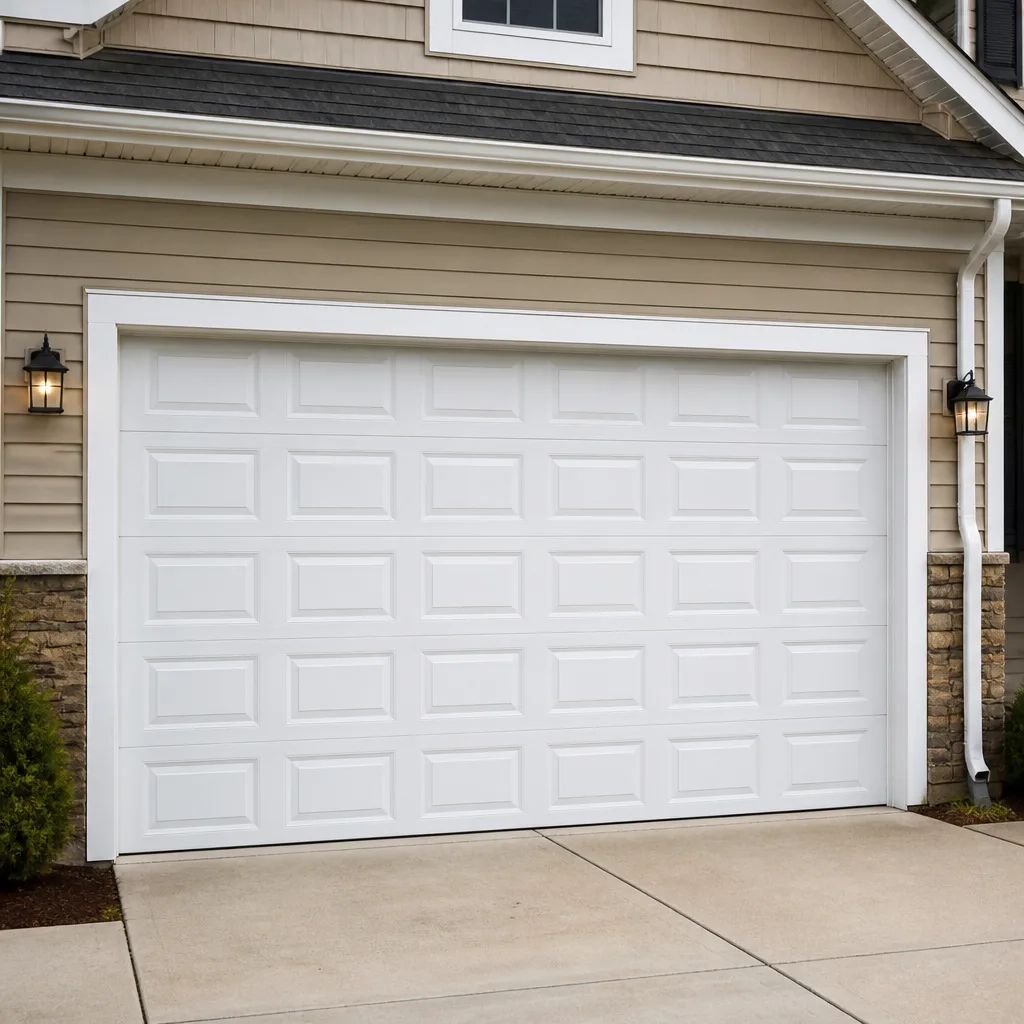 Raised-panel steel
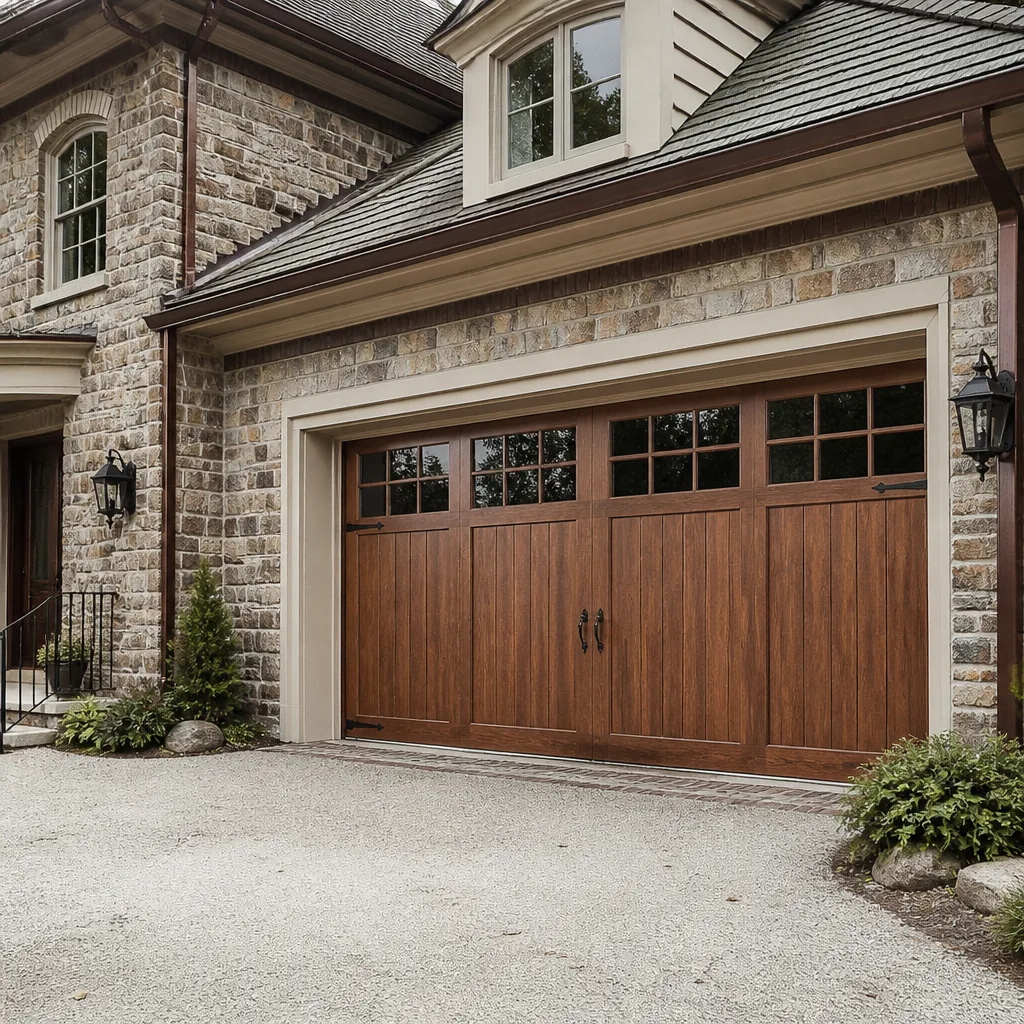 Carriage house
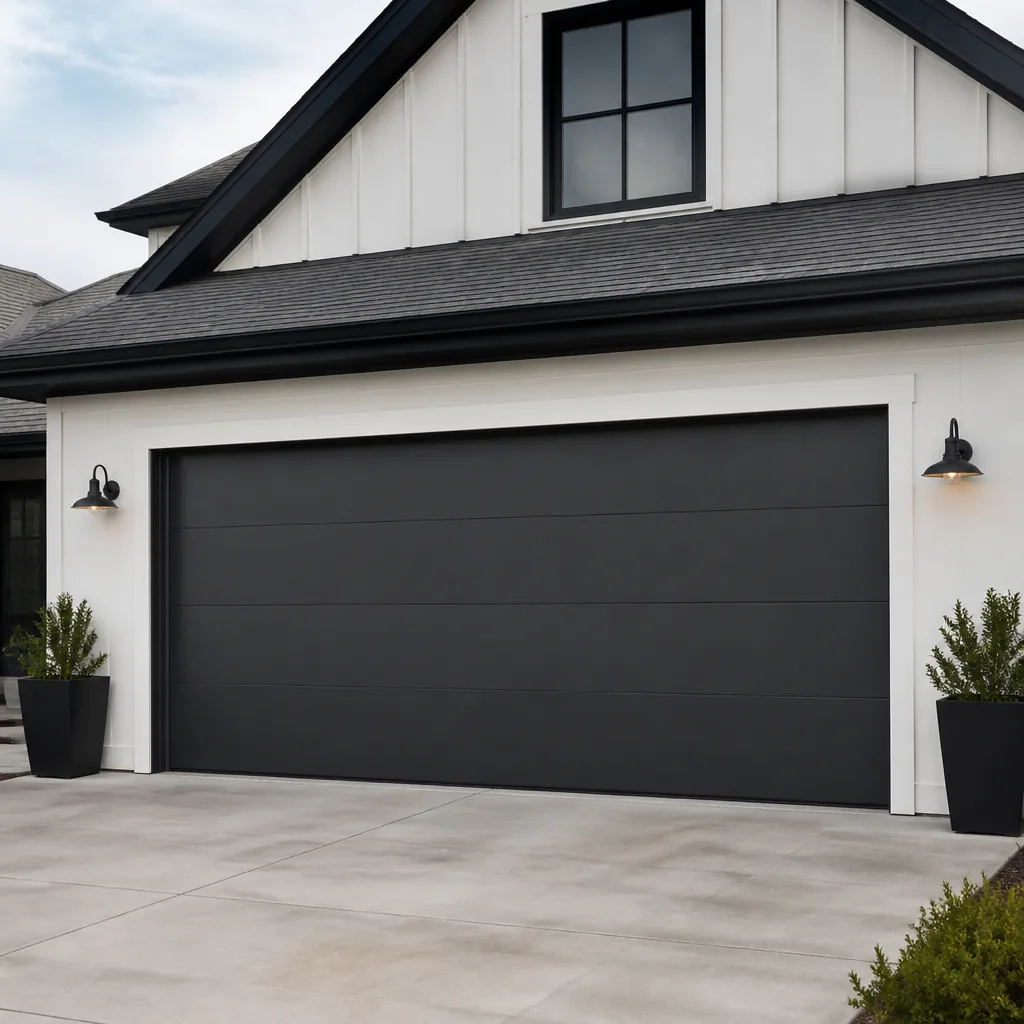 Modern flush
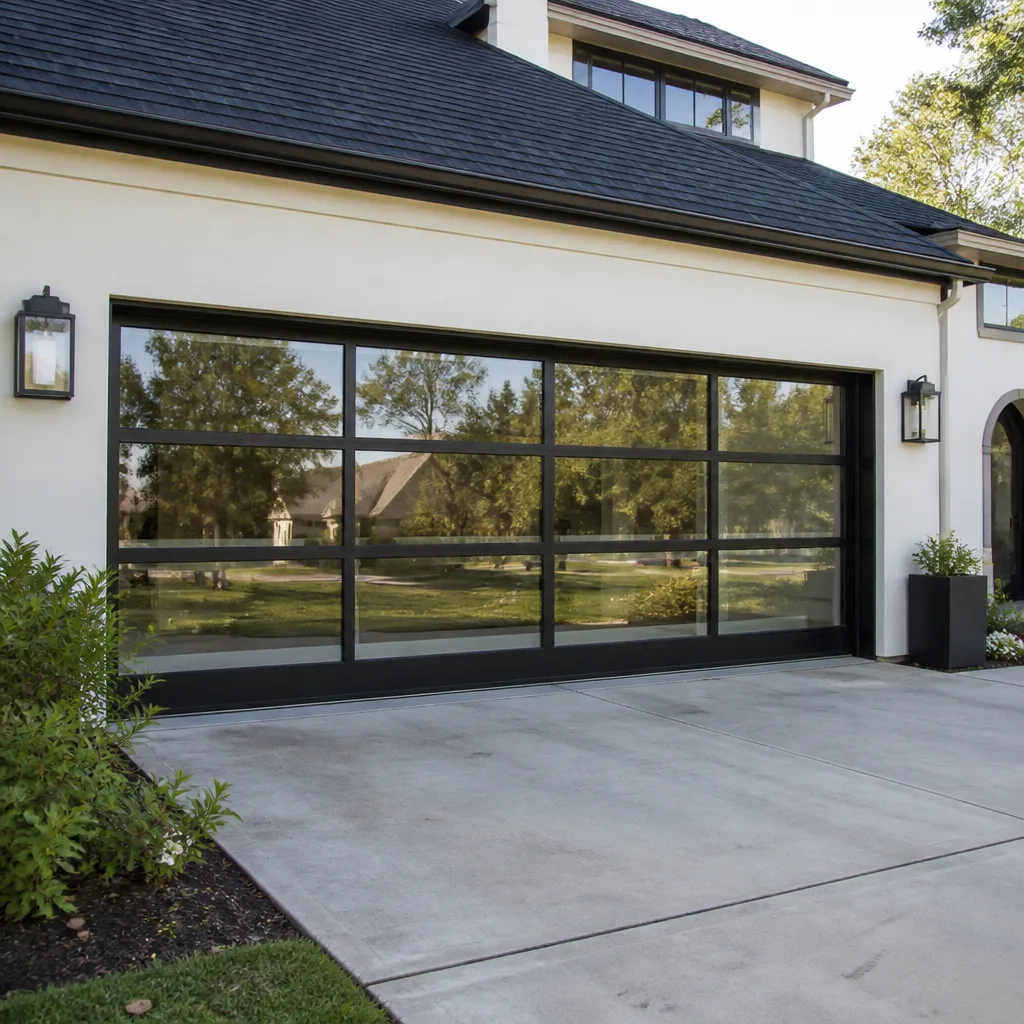 Full-view glass
 LiftMaster openers
 Chamberlain openers
Full 25-point door and opener safety check with every visit - springs, cables, rollers, tracks, and your LiftMaster or Chamberlain opener included
You get a price before we start. It does not change when the pro arrives.
Get your free estimateSeasonal Garage Door Care for Williamsburg: Year-Round Homeowner’s Guide
Winter in Williamsburg rarely drops enough snow to matter. What kills garage doors here is the 28-degree overnight in March that follows a 55-degree afternoon, and most homeowners don’t see it coming. That swing, repeated dozens of times between late October and mid-April, works metal, grease, and rubber in ways a single cold snap never does. Snow sits on the ground and melts away. Freeze-thaw cycles keep loading and unloading the same parts until something gives. This guide walks through what each Williamsburg season actually does to a garage door, what to check before it fails, and which tasks are worth doing yourself versus which ones need a trained technician. You’ll finish knowing how to time your maintenance to the real risks in this neighborhood instead of the generic “spring and fall tune-up” advice that doesn’t match how the weather here behaves.
Quick Answer
Garage door maintenance in Williamsburg should follow a freeze-thaw calendar, not a snow calendar. Check and lubricate moving parts in late fall before the first hard freeze, watch seals and springs closely through the late-winter thaw window from February to mid-April, and inspect for humidity damage and sensor fogging through the July and August heat. Spring replacement and any work involving torsion hardware belongs with a trained technician.
Styles & brands we work with
- Raised-panel steel
- Carriage house
- Modern flush
- Full-view glass
- LiftMaster openers
- Chamberlain openers
Table of Contents
- Why Standard Seasonal Advice Misses the Mark in Williamsburg
- The Freeze-Thaw Window: Your Highest-Risk Season
- What Summer Humidity Does to Doors, Openers, and Sensors
- Fall Prep Priorities Before the First Freeze
- Road Salt at Street Level: Protecting the Hardware
- The Spring Care Routine That Actually Extends Spring Life
- A Month-by-Month Maintenance Calendar for Williamsburg
- Common Mistakes to Avoid
Why Standard Seasonal Maintenance Advice Misses the Mark in Williamsburg
Most garage door maintenance guides are written for suburbs with deep snow, wide driveways, and detached garages. Williamsburg doesn’t fit that profile. Here, the dominant damage mechanism isn’t snow load or ice dams. It’s thermal cycling: the repeated expansion and contraction of metal parts as temperatures swing above and below freezing within a single 24-hour period. Brownstone blocks, converted warehouses, and the mix of attached and semi-attached garages throughout the neighborhood also mean doors sit closer to heated space and street traffic than they do in a rural setting, which changes how humidity and road treatment affect them.
Urban heat islands add another wrinkle. Concrete, brick, and asphalt in Williamsburg hold daytime heat and release it slowly overnight. On a cold night, the air might read 26 degrees while the south-facing wall of a garage stays several degrees warmer for hours, then warms fast the next morning. That uneven warming is exactly what drives condensation, seal shrinkage, and the metal fatigue that eventually becomes a snapped spring.
This is why we tell homeowners in Williamsburg to think about their door in terms of transition periods, not seasons. The two weeks on either side of a hard freeze matter more than the deepest cold of January. The first humid stretch in June matters more than the peak of August. If you’re used to a “do it in spring and fall” routine, you’re probably servicing the door when it’s least stressed and ignoring it when it’s under the most pressure.
One more local factor: this is a neighborhood of mixed-age housing stock. A door installed on a recent renovation and a door that came with a building decades ago both need seasonal care, but they fail differently. Older doors tend to have older springs, sun-faded panels, and rollers that have lost their bearings. Newer doors, especially those paired with modern smart openers, tend to fail at the electronics and sensor level before anything mechanical goes. Knowing which category your door falls into should shape which months you watch it most closely.
The Freeze-Thaw Window: Your Highest-Risk Season
The freeze-thaw window in Williamsburg runs from roughly late October through mid-April. This is when the largest number of garage door problems happen, and the reason is simple: every freeze-thaw cycle forces metal springs, hinges, and lift cables to expand and contract while rubber seals harden, soften, and harden again. A torsion spring that’s near the end of its life rarely snaps on the coldest night. It snaps on the first warm morning after a cold stretch, when the metal has been cycled one too many times.
The parts most exposed during this window:
- Torsion and extension springs – the most stressed components, and the ones most likely to fail during a thaw
- Bottom weather seals – rubber stiffens below freezing and cracks as it flexes against the concrete
- Hinges and rollers – cold grease thickens and stops doing its job, which accelerates wear
- Lift cables – expansion and contraction slightly changes tension, and worn cables fray faster
- Panel joints – freeze-thaw can open tiny gaps that let moisture into the door’s interior
A few things worth checking yourself during this window, all observational and safe: listen for new sounds (a snap, a pop, or a strained hum from the opener) as temperatures swing; look at the bottom seal after a cold night to see whether it’s still sitting flush against the floor; and run the door up and down once by hand on a mild day to feel whether it moves smoothly. If anything feels off, especially if the door feels heavy or binds, that’s a sign the spring or cable system needs a professional look.
If your door fails during one of these windows, that’s an emergency situation and waiting isn’t a good option. Williamsburg Garage Door Repair Pros offers emergency garage door service for exactly this scenario, so a door that won’t close on a cold Sunday doesn’t stay open until someone can come midweek. We work on the brand you already have, and that includes common springs, track systems, and hardware across Wayne Dalton, LiftMaster, and the other major lines we’re factory-familiar with.
One warning that matters for safety: never try to wind, unwind, or replace a torsion spring yourself. Torsion springs are under heavy tension and can cause serious injury if they release unexpectedly. Same for the cables that hold door tension. These are jobs for a trained technician with the right tools, and no maintenance guide should suggest otherwise. Our garage door repair team handles spring and cable work routinely, which is a big part of why we’ve built a dedicated garage door spring repair service rather than treating it as an add-on.
What Summer Humidity Does to Doors, Openers, and Sensors
Williamsburg summers bring sustained humidity that affects a garage door in three distinct ways, and none of them look like the “door won’t open” failures people associate with winter. Understanding them helps you know what to inspect from June through September.
- Wood door warping. If your door is wood or has a wood core, humidity causes it to absorb moisture, swell, and warp slightly. This is subtle at first: a panel bows, a section sticks slightly in the track, and one side of the door closes a tenth of an inch higher than the other. Over several summers the warping compounds. A painted or sealed wood door handles it far better than a bare or older one, so this is a good reason to check your finish before June.
- Opener motor overheating. Your opener’s motor is usually in a garage that heats up through the day. On a hot afternoon, the opener runs warmer than it does in cooler weather, and the thermal protection built into modern openers can trip sooner. If you notice the door stopping halfway on the hottest afternoons and then working fine in cooler weather, that’s usually a heat issue rather than an outright opener failure. LiftMaster and Chamberlain openers, which we see most often, will typically shut down briefly to protect the motor, then resume once they cool. If yours does this repeatedly, it’s worth an inspection since it can also point to worn parts putting extra load on the motor.
- Photo-eye sensor fogging and dirt. The safety sensors near the floor are one of the most common points of summer failure. Humidity fogs them, dust and pollen settle on the lens, and the result is a door that goes halfway down and reverses. It’s often a simple clean and alignment fix, but it’s easy to mistake for a bigger problem.
Summer is also when smart garage opener features get the most use. If you rely on a smart opener or a connected app to run the door remotely, watch for the app reporting “obstructed” on hot, humid days. That’s often the photo-eye sensor rather than the opener itself, and it’s usually a five-minute fix once you know where to look. Our garage door opener repair service covers both the mechanical side and the smart and connected side, since they’ve become so intertwined on newer hardware.
Fall Prep Priorities Before the First Freeze
Fall is the single most valuable maintenance window on the Williamsburg garage door calendar. The work you do before the first hard freeze is what keeps a door out of trouble through the freeze-thaw season. Here’s the order that makes sense:
- Lubricate everything that moves. Rollers, hinges, torsion spring bearings, and the opener rail all benefit from a proper garage door lubricant. Grease that’s rated for cold weather keeps metal parts from grinding when temperatures drop. A technician can do this in a single visit, but it’s also something you can do yourself with the right product.
- Inspect the bottom seal. This is the rubber strip along the bottom of the door. If it’s cracked, brittle, or sitting unevenly, it will let cold air and moisture into the garage all winter, and the flexing of a stiff seal on cold mornings accelerates the cracking. Replacing a seal in October is cheap. Replacing it after it’s torn and letting moisture in is a bigger job.
- Test the safety reverse. Put a small object in the door’s path and confirm the door reverses when it contacts it. This is worth doing every fall, and again after any weather extreme. If the reverse fails, stop using the door and get it checked.
- Balance and listen. Disconnect the opener and lift the door by hand. A properly balanced door can be raised and should hold position with modest effort. If it feels heavy or slams down, the springs are probably losing tension and it’s worth a specialist check before the freeze-thaw window starts.
- Clear and tighten. Bolts and fasteners loosen over a summer of opening and closing. A quick visual check under the track and along the hinges can catch a loose bracket before it causes a bigger alignment issue.
If you’re not comfortable doing any of these steps, especially anything involving the tension of the door, that’s a fair call. Fall is the right time to schedule a professional visit. A door that’s inspected and adjusted in October is far less likely to fail in a March cold snap, which is precisely what you want. If you’re in a building where the door opens onto the street, checking the seal also tells you whether you’ve got a weather gap letting road splash and snowmelt reach the hardware.
Road Salt at Street Level: Protecting the Hardware
Williamsburg doesn’t sit on the coast, so salt damage here isn’t coming from sea air. It comes from the street. When the city treats roads and sidewalks through the winter, salted slush splashes up against garage doors, particularly in buildings whose entries face the street or sit close to a curb. Over a season, road salt finds its way onto hinges, rollers, tracks, and the bottom of a door, where it can accelerate rust and corrosion on unpainted or worn metal.
What to do about it:
- Wipe the bottom of the door and hardware after heavy salt application. A quick wipe with a damp cloth on the bottom hinges and seal removes salt before it sits. You don’t need to do this daily, but after a stretch of salted streets, it’s worth five minutes.
- Touch up chipped paint at the bottom edge. Salt reaches bare or chipped metal first, and paint is your best barrier against it. A weather-rated touch-up coat on the base of the door once a season makes a big difference.
- Keep the track channel clear. Salt and grit collect there and, combined with cold, can cause rollers to grind or stick. Sweeping it out or vacuuming it before winter reduces wear.
- Avoid parking against the door if possible. If there’s room to leave a little space between your car and the door, you’ll reduce how much salty water reaches the panels.
Most of this takes very little time and is one of the easiest seasonal habits to keep up. It’s also one of the most overlooked, since the damage comes on slowly and doesn’t announce itself as clearly as a broken spring does.
The Spring Care Routine That Actually Extends Spring Life
Here’s the task most homeowners skip: a genuine tension and balance check on the springs before the freeze-thaw season ends. It’s not glamorous, and it doesn’t take long, but in our experience it’s the single maintenance step that most reliably extends the life of a torsion spring by two or three extra years.
The concept is simple. Springs lose a little tension over time, and the freeze-thaw cycle accelerates that loss because every temperature swing forces the metal to work harder than it would in a stable climate. A spring that’s slightly under-tensioned puts extra strain on every consistent open and close, which wears it out faster. A professional tension and balance inspection catches that drift early, before the spring reaches the point where it snaps.
What a proper spring inspection involves, in general terms:
- A visual check of the spring coils for gaps, rust, or obvious wear along their length
- A balance test with the opener disconnected, checking whether the door holds position comfortably
- A sound test running the door through its full travel, listening for pops, grinding, or binding
- A check of the cables, drum, and center bearing that the springs ride on
None of those steps involve adjusting the spring tension yourself, and we want to be clear about why. Torsion springs are under high tension and can release suddenly, which is genuinely dangerous. Even experienced homeowners shouldn’t attempt to wind or unwind them. A technician has the right tools and the training to do this safely, and knows when a spring is on its last legs versus fine for another year. If you want a plain-language picture of what an inspection covers, our team walks through it during a standard garage door repair visit so you understand what we’re checking for.
Timing matters. The best window for a spring inspection in Williamsburg is late March through mid-April, right after the last hard freeze and before the summer heat arrives. That’s when we can see how the spring handled the freeze-thaw season and whether it’s settled into a new resting state. If you’re unsure of the condition of your springs going into next winter, that spring window is the time to call.
A Month-by-Month Maintenance Calendar for Williamsburg
To pull all of this into a usable routine, here’s a summary of what matters when for a Williamsburg garage door. Treat it as a guide to priorities, not a rigid schedule, since the actual mix of weather in any given year varies.
- October: Lubricate all moving parts, inspect the bottom seal, and clear the track. This is your main pre-winter pass.
- November: Test the safety reverse and confirm the door balances. Watch for early signs of seal stiffening as nighttime temperatures drop.
- December through February: Run the door once on a mild day and listen. Wipe down hardware if the streets have been heavily treated. Watch for springs or cables showing new noise.
- March: The high-risk thaw month. Inspect the bottom seal and listen for new pops or snapping sounds. If anything feels off, book a professional check.
- April: Spring inspection window. Get spring tension and balance checked before summer heat arrives.
- May: Check the finish on any wood door before the humid season starts. Look at chipped paint along the bottom and front edge.
- June through August: Watch for photo-eye sensor fogging, run the opener a bit more gently during hot afternoons, and keep an eye on any wood door for swelling or warping.
- September: A good bridge month for a quick check of hardware and the track before the cycle restarts.
If any of these tasks feels outside what you’re comfortable doing, or if a door keeps showing the same issue through a couple of cycles, that’s a good time to get a professional opinion. It’s faster and cheaper to catch a developing problem than to fix it after it’s caused a door to fail. Our technicians have up to 12 years of experience with the specific climate patterns in Williamsburg, which helps us read early signs that a door is heading into trouble.
Common Mistakes to Avoid
- Treating spring and fall as the only maintenance windows. In Williamsburg, the transition months matter more than the peak of any season. The freeze-thaw window from February to April is when most failures happen, and that’s when a door needs the closest watch.
- Waiting until the door fails to check the springs. A spring rarely fails without warning. If you know the signs (a slight lag, a heavier feel, a new sound), you have time to get ahead of it. Most spring inspections turn up an issue before it becomes an emergency.
- Ignoring the bottom seal until it tears. A cracked seal lets in moisture, road splash, and cold air, and once it’s degraded it takes far more effort to fix. Inspect it in fall and replace it before the first hard freeze.
- Using the wrong lubricant. Standard grease thickens in cold weather and can actually make things worse. Garage door lubricants rated for cold-weather use keep rollers and hinges moving through the freeze-thaw season.
- Cleaning the photo-eye sensor only once. Humidity and dust repeatedly fog and soil the sensors through summer. It’s one of the most common reasons a door won’t close, and it deserves a check any time the door reverses unexpectedly.
- Assuming a smart opener can’t fail. LiftMaster and Chamberlain openers with smart or connected features fail at the electronics level just as mechanical openers fail at the motor level. If the app or remote reports odd behaviour, it’s worth a diagnostic look.
- Attempting to adjust torsion springs. This is the most dangerous mistake on the list. Torsion springs are under heavy tension and can cause serious injury if they release. Leave spring tension and cable work to a trained technician.
See the difference
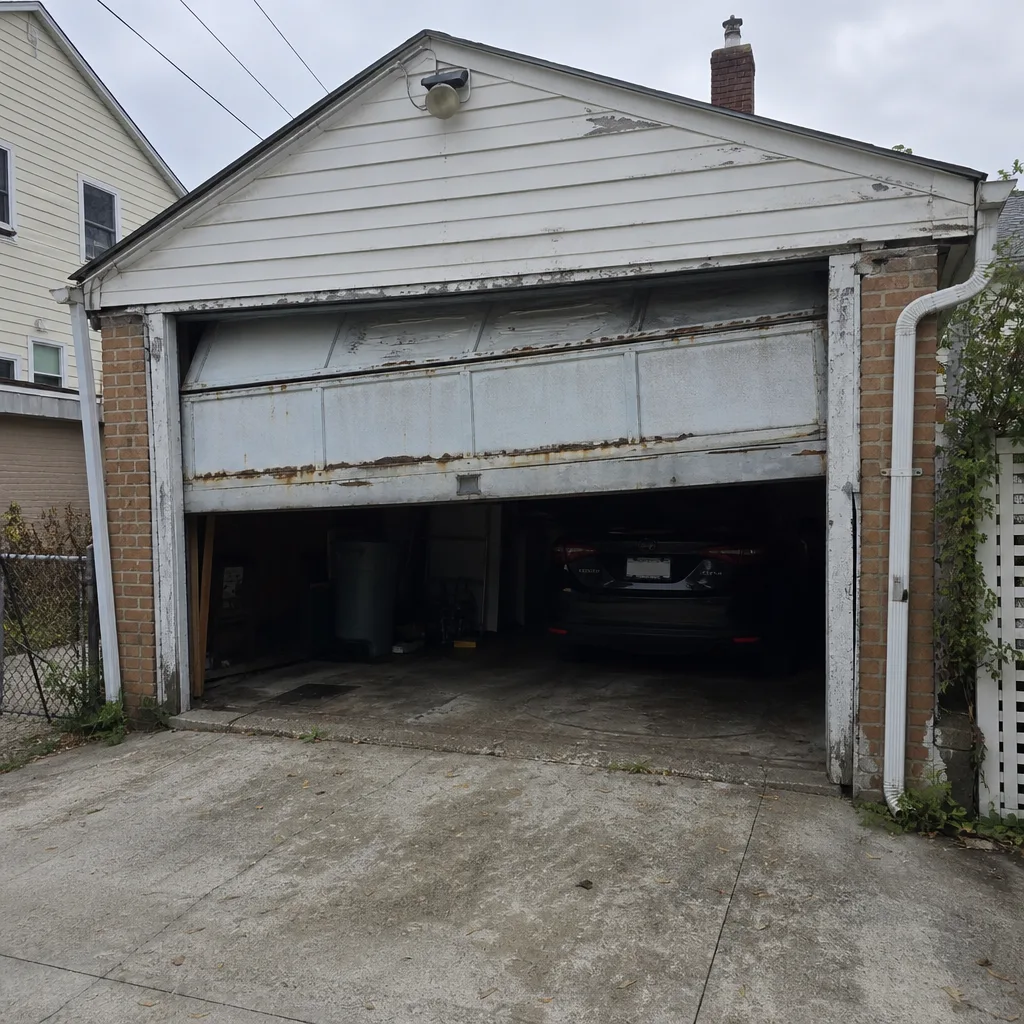 Before
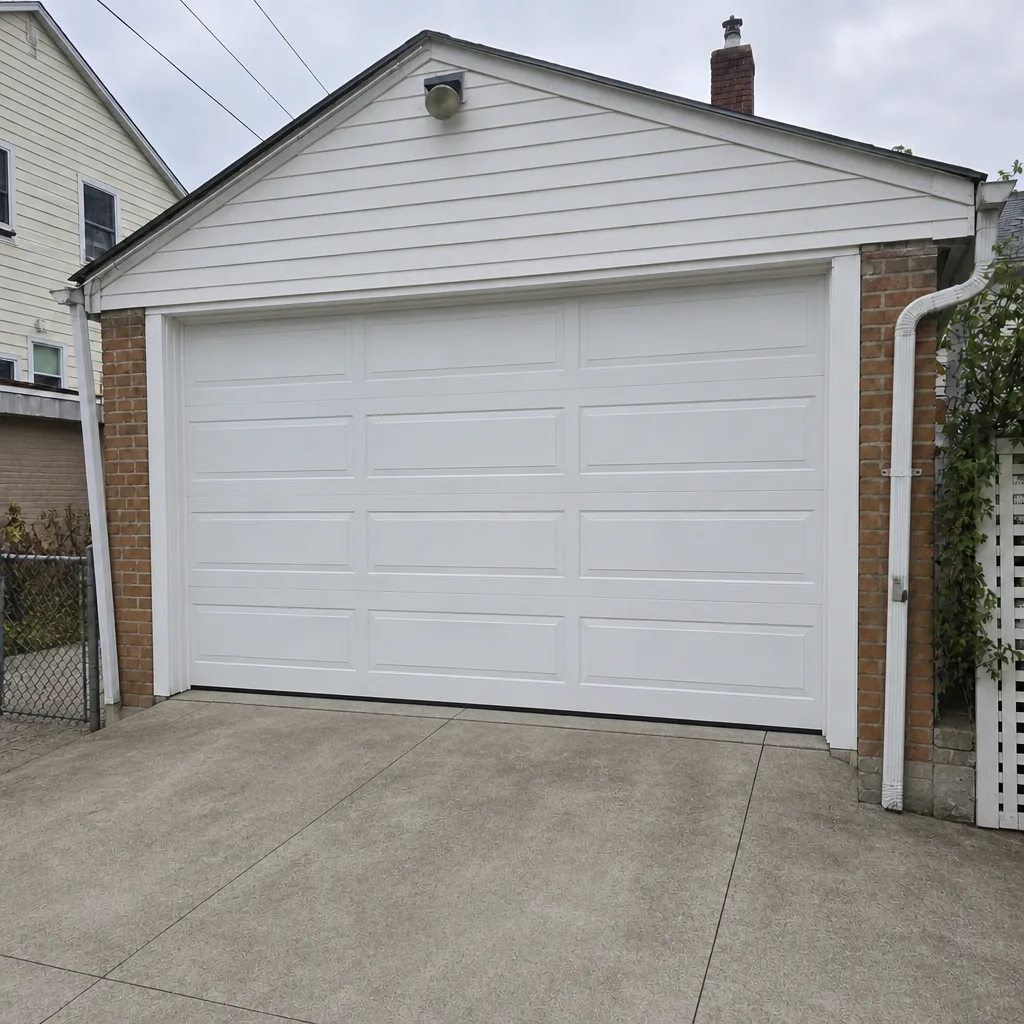 After
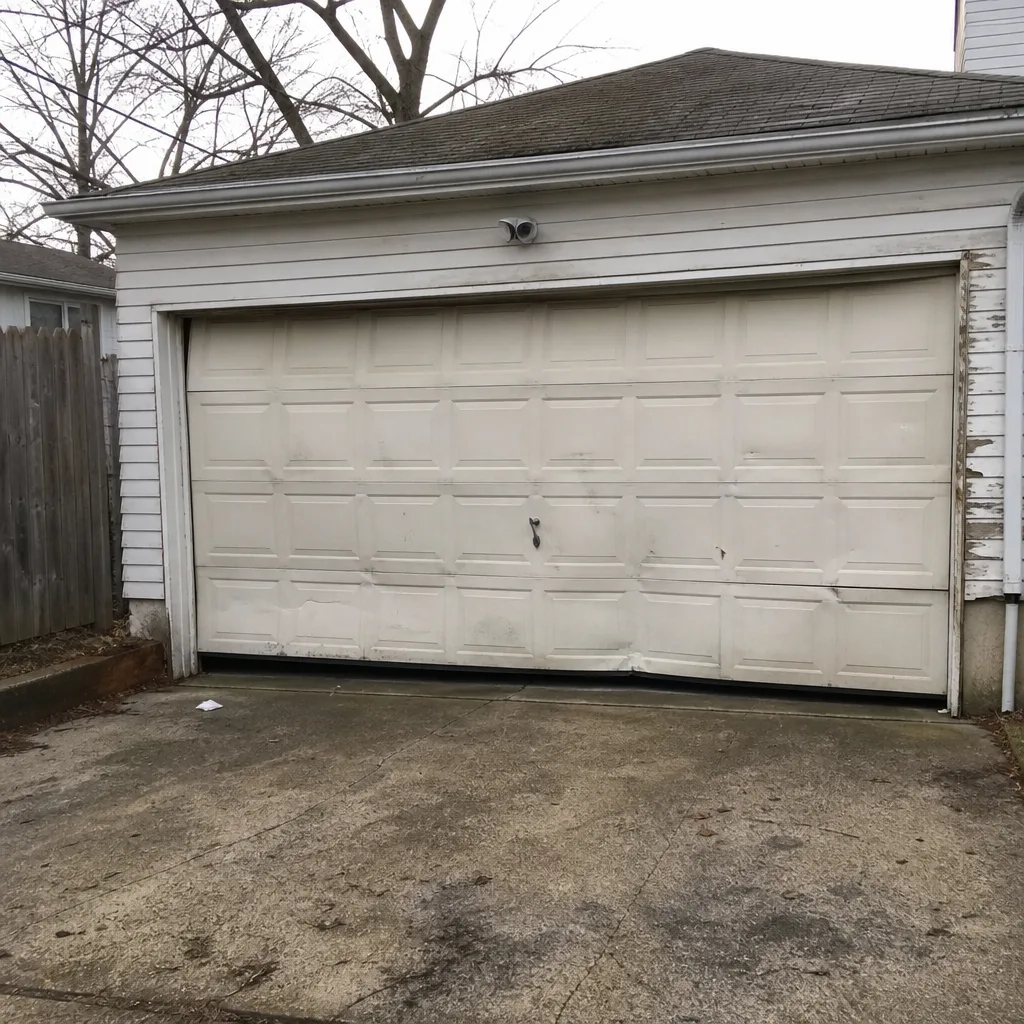 Before
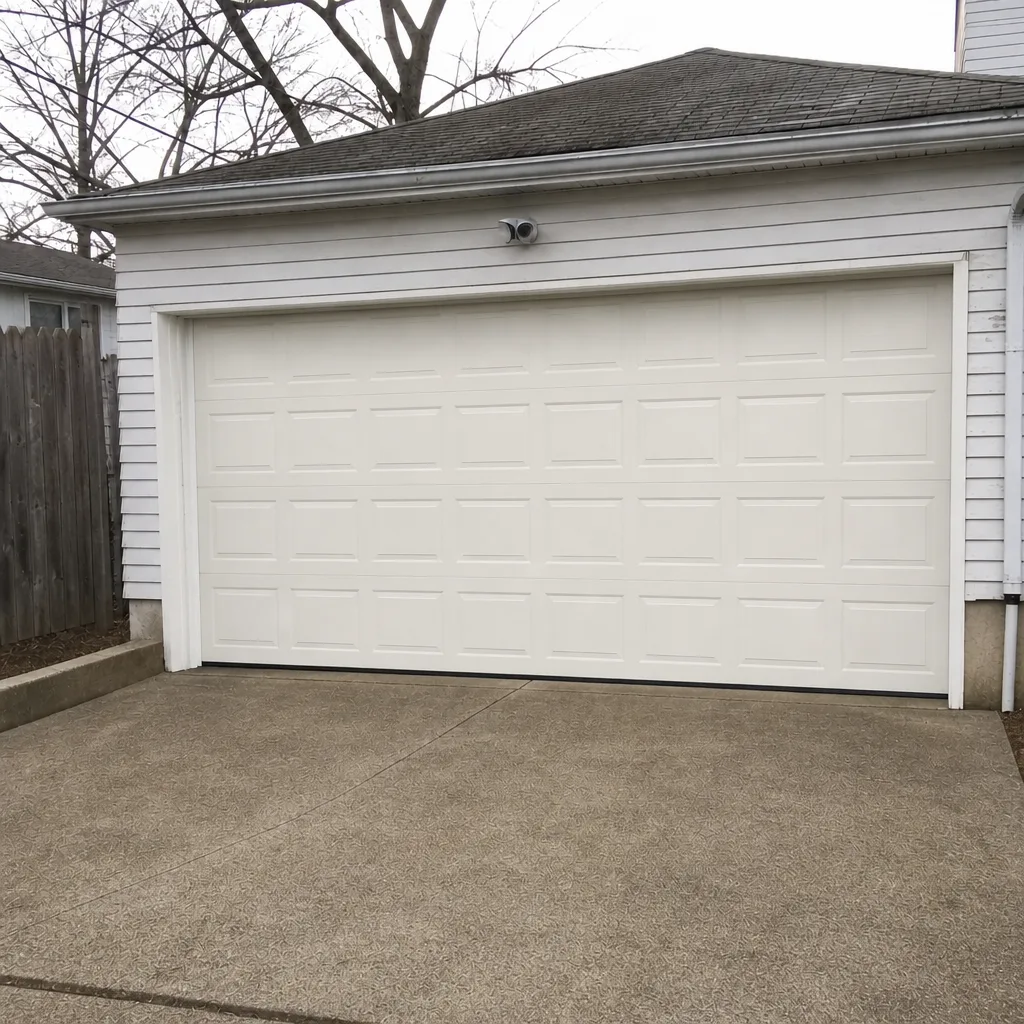 After
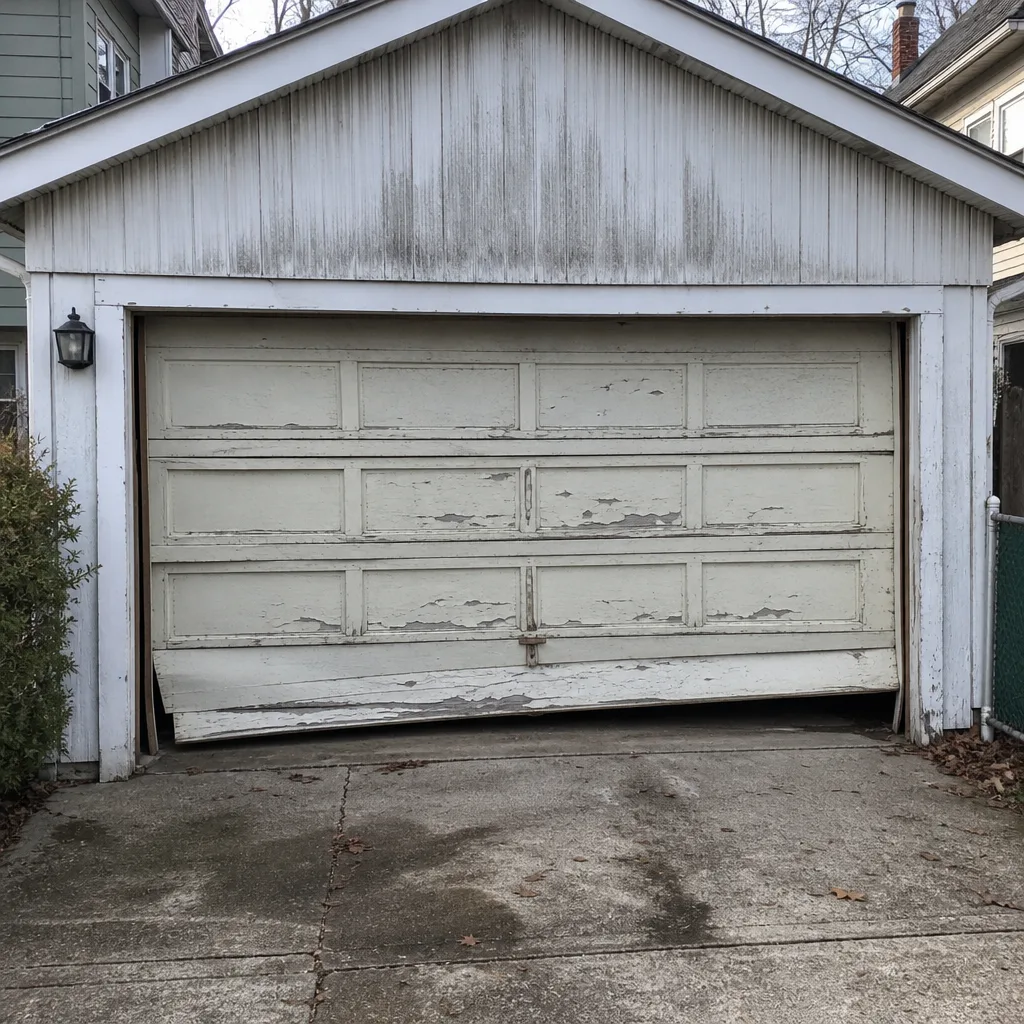 Before
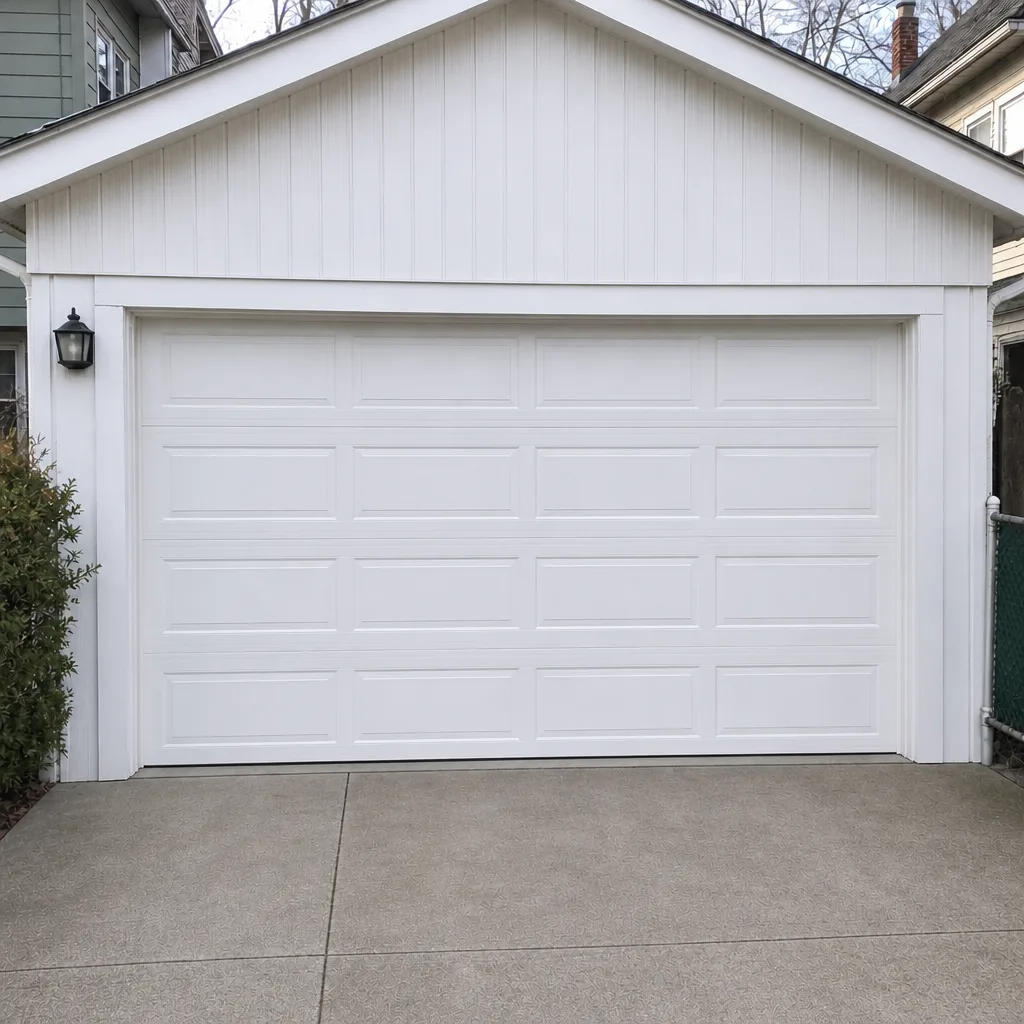 After
When to Call a Professional
Some garage door work is safe to do yourself: lubricating hinges and rollers, wiping down the hardware after salted streets, and cleaning a fogged photo-eye sensor. The line for calling a professional starts at anything involving tension, springs, cables, or the structural safety of the door. If your door feels heavy when lifted by hand, if it’s binding in the track, if it pops, grinds, or moves unevenly, or if a spring or cable looks worn or has broken, that’s a professional call. The same goes for a door that reverses on its own, an opener that runs but doesn’t lift the door, and any time the safety reverse test fails. And if you’re not sure whether something is a small problem or a big one, that’s usually the best reason to get someone out to look. Williamsburg Garage Door Repair Pros offers free estimates in Williamsburg. Call (855) 914-9583 to schedule a visit and get your door looked at before the next difficult season.
Frequently Asked Questions
Once a year is usually enough for most doors, timed to the fall transition rather than a generic season. The best month in Williamsburg is October, before the first hard freeze. If your door is older, or if you’ve had spring or cable issues in the past, a second check in spring is worth considering. If you haven’t had a service visit in a few years, it’s worth starting with a full inspection to confirm the current condition of the springs and hardware.
Yes, and they’re a leading cause of early spring failure in our climate. Each freeze-thaw cycle forces the metal in a spring to expand and contract, and repeated cycles wear the metal faster than constant cold alone would. A spring that’s nearing the end of its life often snaps on the first warm morning after a cold stretch, which is why March and April are the riskiest months for spring failures. If your door is making new sounds after a temperature swing, it’s worth a professional look before the next cycle.
Yes, but it comes from the street rather than the sea. Salted slush splashes against garage doors near the curb, especially in buildings whose doors face the street. Salt reaches bare or chipped metal first, and over a season it can accelerate rust on hinges, rollers, and the bottom of the door. A quick wipe-down after a heavy salt application and touch-up paint on chipped edges are the most effective defenses.
That pattern usually points to a photo-eye sensor that’s been fogged or soiled by summer humidity and dust. The sensor gets a false reading and reverses the door as a safety measure. Cleaning the lens and checking alignment is the first thing to try. If the pattern continues after cleaning, the issue could be sensor wiring or the sensor unit itself, which needs a professional look. While we check, avoid overriding the safety reverse, since it exists to protect anyone walking under the door.
We strongly recommend against it. Torsion springs are under heavy tension and can release without warning, causing serious injury. The tools and technique needed to safely wind or unwind them aren’t something most homeowners have, and a mistake can damage the door or cause a fall. Spring replacement and cable work belong with a trained technician. Our garage door spring repair service covers this, and a proper professional visit is a fraction of the risk involved in a DIY attempt.
Spring tension and balance checks, done once a year after the freeze-thaw season. Most homeowners check seals and rollers and then stop. A spring inspection catches the small losses of tension that lead to failures, and in our experience it’s the task that most reliably adds two or three years to a spring’s working life. It’s a short visit and it’s the one that saves the most repair cost later.
The Bottom Line
Seasonal garage door care in Williamsburg comes down to knowing which weather actually stresses your door. It’s not snow. It’s the freeze-thaw cycle from late October through mid-April, the summer humidity that warps wood and fogs sensors, and the road salt that finds its way onto your hardware from the street. Build your maintenance around those patterns, and you’ll catch problems before they become emergency calls. Do the safe tasks yourself (lubrication, wiping down hardware, cleaning sensors) and leave spring, cable, and tension work to a technician. When you need a professional visit, or if your door is showing signs it’s ready for attention, we’re here to help. Williamsburg Garage Door Repair Pros connects homeowners in Williamsburg with experienced local professionals who are factory-familiar with eight major brands, including LiftMaster, Chamberlain, Genie, Clopay, Amarr, Wayne Dalton, Craftsman, and Raynor. Whether it’s a seasonal tune-up or a door that needs closer attention, we offer repair-first guidance and free estimates. Call (855) 914-9583 for a free estimate, and we’ll help you plan the work around the seasons that matter most.
Written by the team at Williamsburg Garage Door Repair Pros.