Last updated November 21, 2026
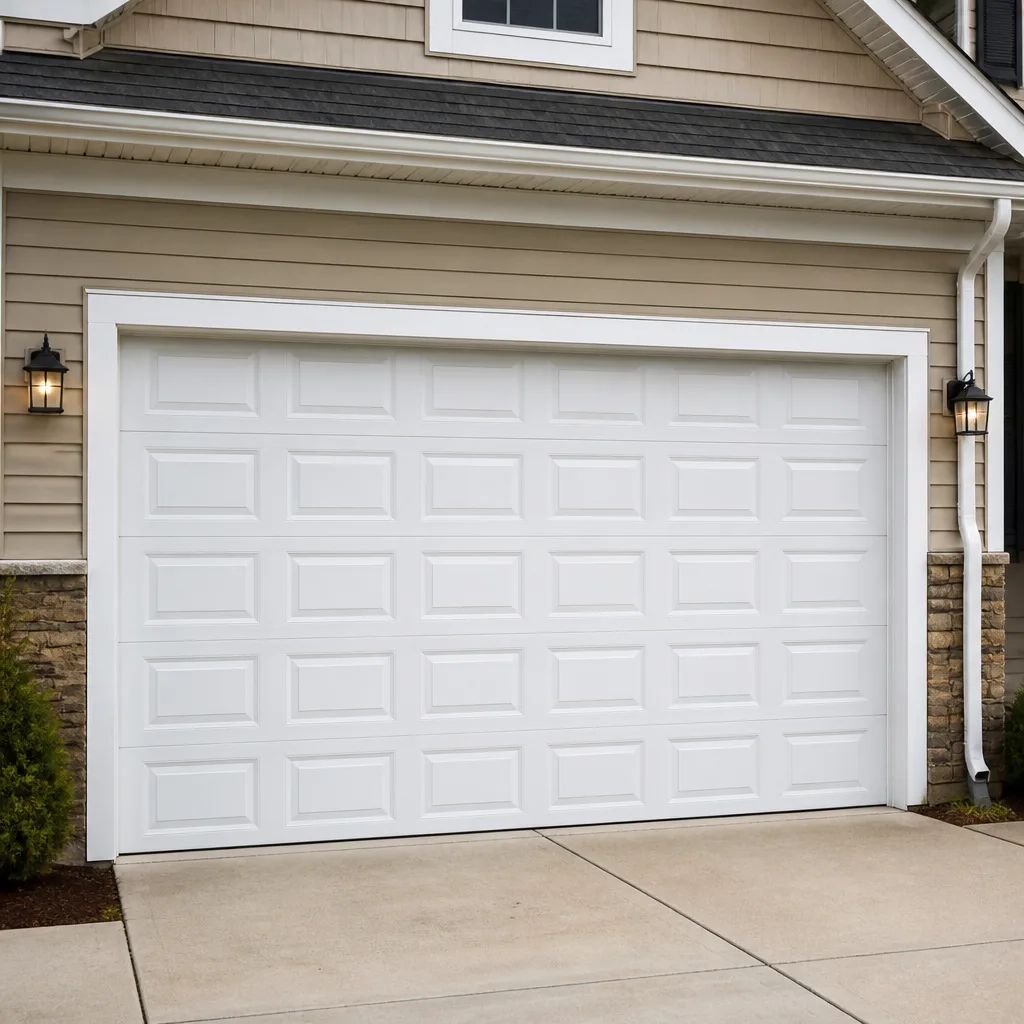 Raised-panel steel
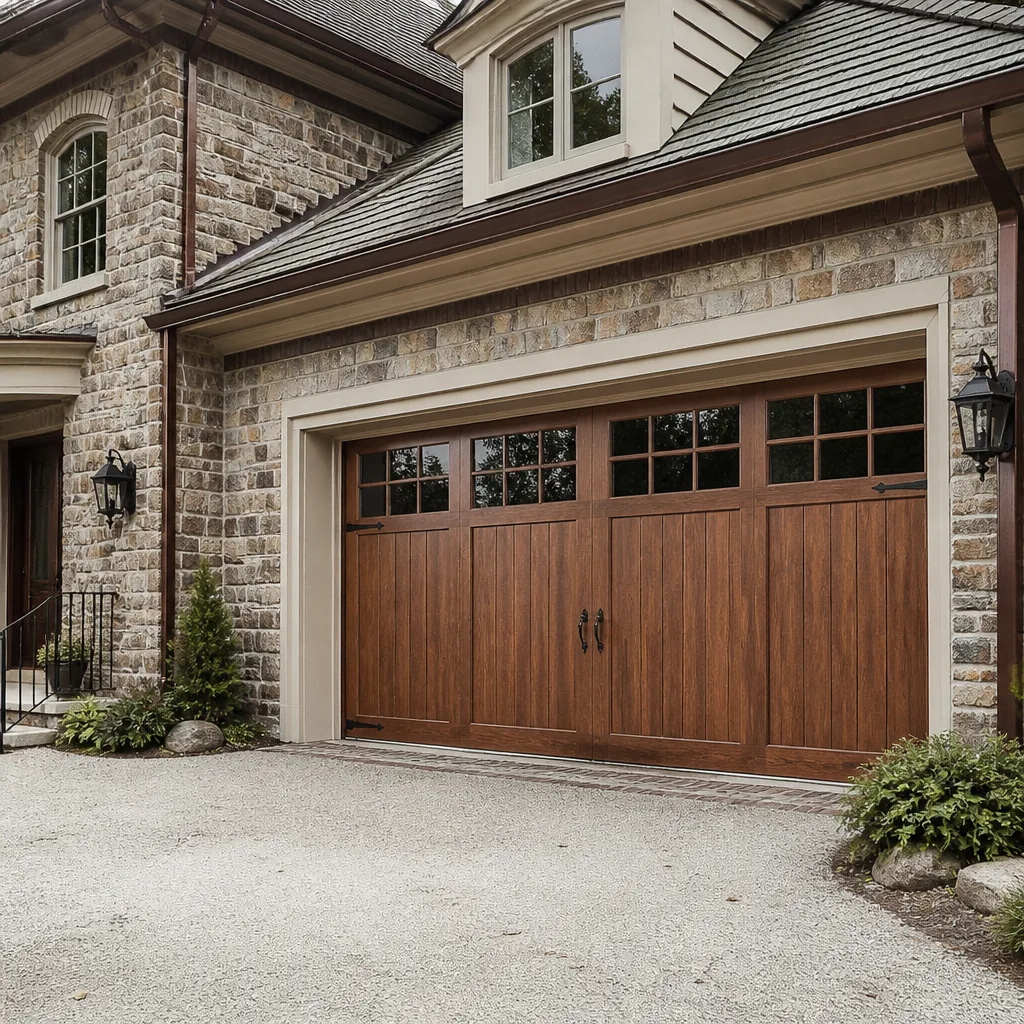 Carriage house
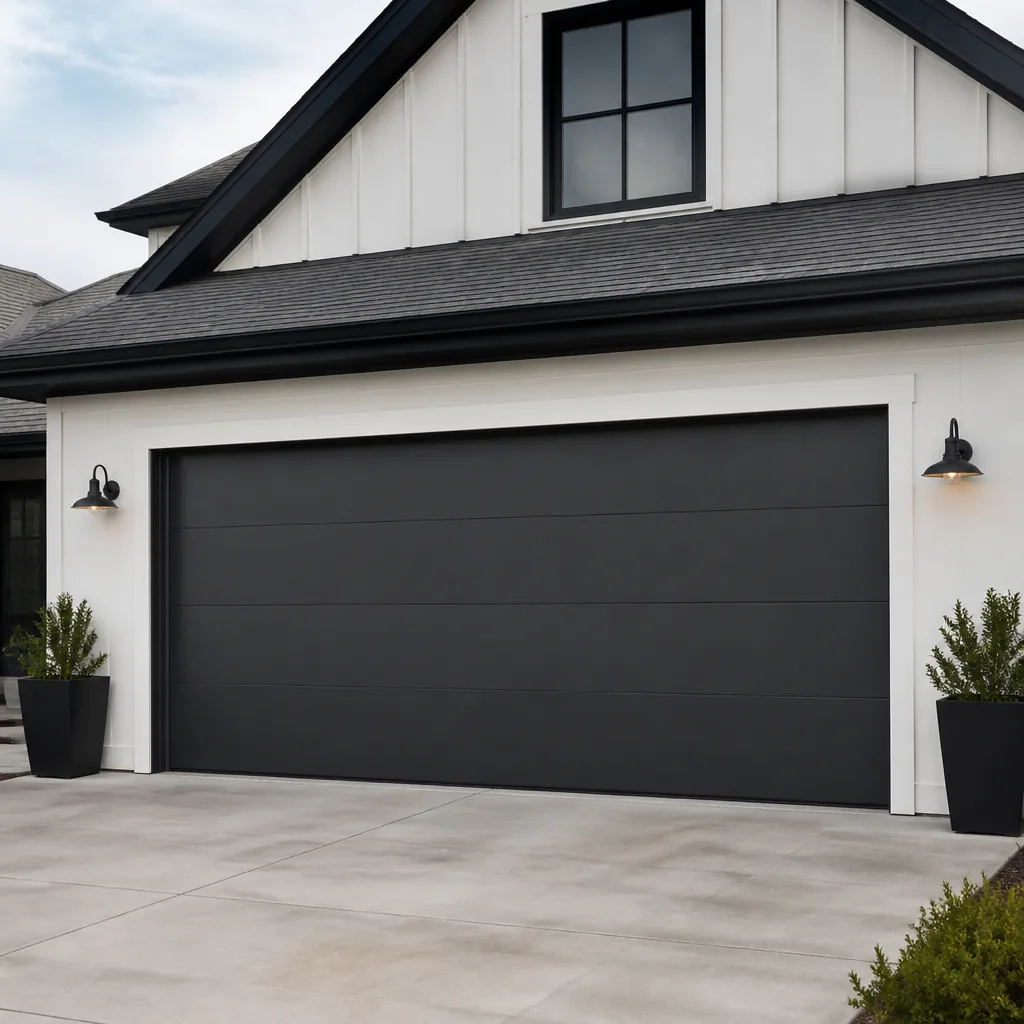 Modern flush
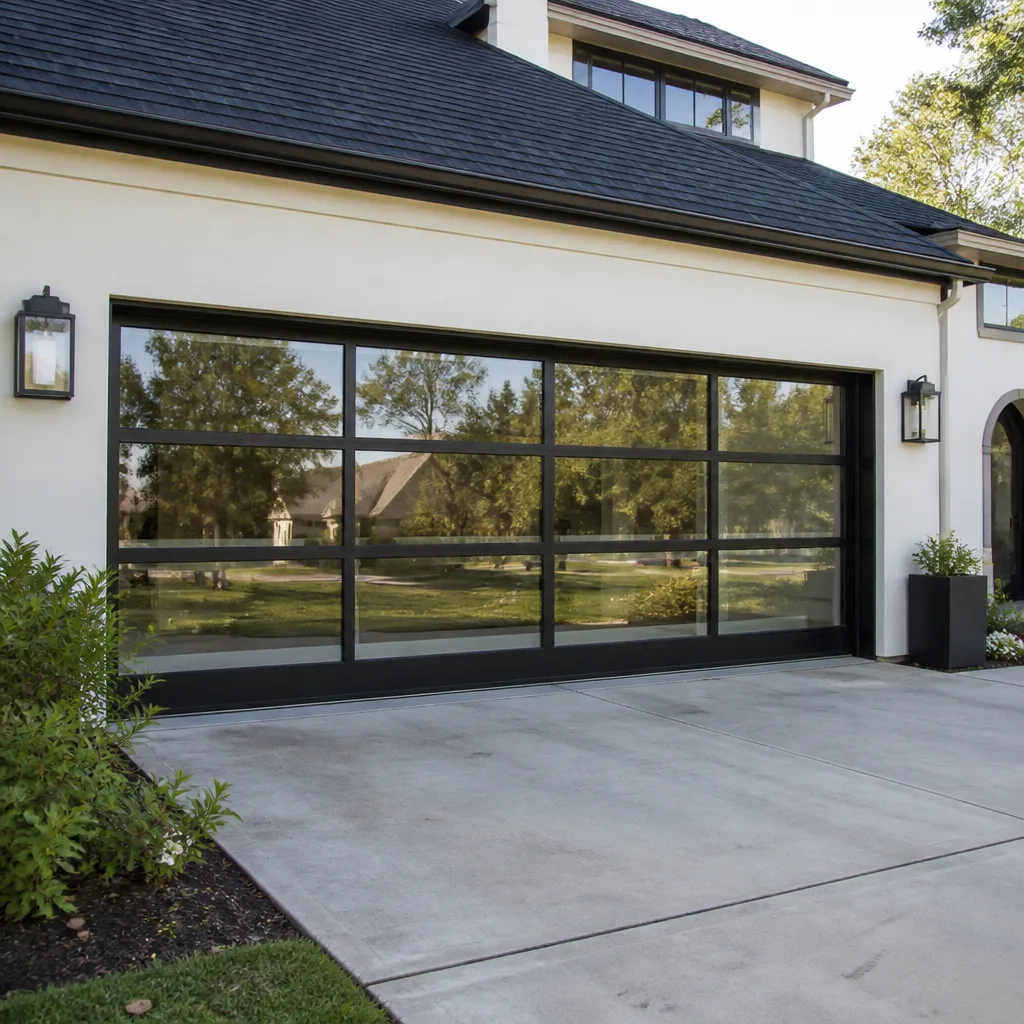 Full-view glass
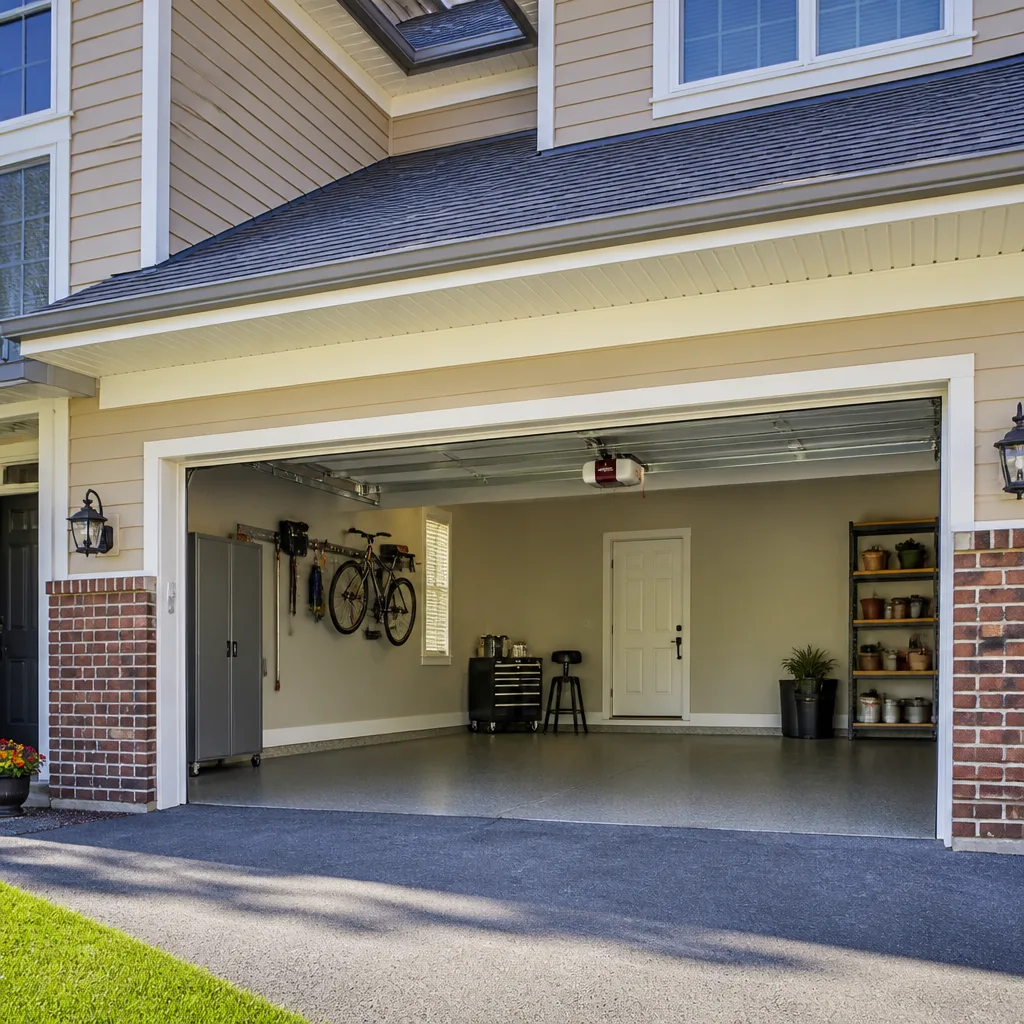 LiftMaster openers
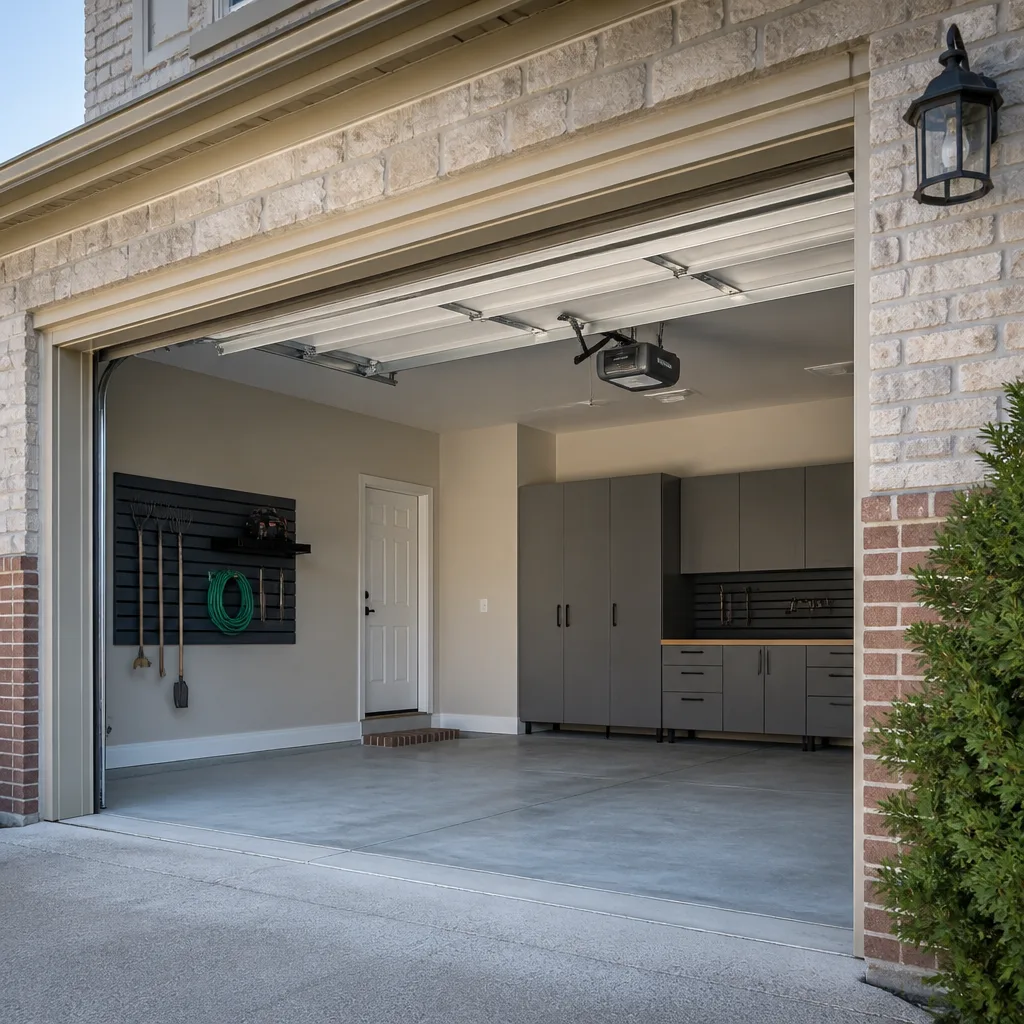 Chamberlain openers
Full 25-point door and opener safety check with every visit - springs, cables, rollers, tracks, and your LiftMaster or Chamberlain opener included
You get a price before we start. It does not change when the pro arrives.
Get your free estimateThe Complete Guide to Garage Doors in Williamsburg
Most garage door guides are written for suburban ranch houses with wide driveways and a single door facing the street. Williamsburg isn’t a suburb, and its garage doors have problems those guides never mention. A converted warehouse loft on North 3rd Street, a brownstone with a below-grade garage off a side street, and a new condo tower with a shared parking structure each need entirely different equipment, different clearances, and different service. A door that fits one won’t fit another. The decisions that matter here, from door style to opener choice to whether to repair or replace, depend on the building type you’re standing in. This guide maps every major garage door decision to the actual housing stock across Williamsburg, so you can make the right call for your building, not for a house in a suburb you’ll never live in.
Quick Answer
The right garage door and opener for a Williamsburg home depends on your building type: converted lofts and warehouses typically need low-headroom openers and compact door profiles, brownstone and below-grade garages need careful clearance planning and drainage-aware installation, and new condo buildings usually have standardized equipment governed by board rules. Repair is usually the smarter move on older doors with good structure, while replacement makes more sense on new builds or when a door’s style conflicts with building or noise restrictions. A specialist who works across multiple brands will diagnose your building’s specific constraints faster than a generalist.
Styles & brands we work with
- Raised-panel steel
- Carriage house
- Modern flush
- Full-view glass
- LiftMaster openers
- Chamberlain openers
Table of Contents
- How Building Type Shapes Your Garage Door Decisions
- Street-Level and Below-Grade Garages: What Changes
- The Brand Landscape in Williamsburg
- Noise Ordinances and Building Rules You Need to Know
- Repair or Replace? A Williamsburg Cost Guide
- Opener Repair and Smart System Compatibility
- What Installation Actually Involves Here
- Common Mistakes to Avoid
How Building Type Shapes Your Garage Door Decisions
The single biggest factor in choosing a garage door in Williamsburg is the building it goes into. The neighborhood’s housing stock splits into a few broad categories, and each one pushes you toward different equipment. A door chosen for a converted warehouse won’t work in a brownstone, and the opener that suits a new condo tower may be overkill or physically impossible for a loft conversion.
Here’s how the major building types break down:
- Converted warehouses and lofts: These buildings often have high ceilings but limited headroom above the door track, and irregular structural elements that make standard installation tricky. A low-profile opener and a door sized to fit the original opening are usually the practical choices. Below-grade or recessed openings are common here, which affects how water drains and how tracks mount.
- Brownstones and townhouses: These tend to have narrower openings and tighter turning space, and below-grade garages that sit partly below street level. Clearance is often the binding constraint. Doors need to be sized precisely, and any opener must fit in a shallow envelope.
- New-build condo towers: Shared parking structures with standardized equipment and board rules that dictate what you can install. Individual unit garage doors, where they exist, usually need to match the building’s established look.
Before you pick a door, measure the actual opening, the headroom above it, and the side clearance. In our experience working across Williamsburg, the doors that go wrong are almost always the ones selected before anyone checked those three numbers. A specialist measures first, then recommends equipment.
Street-Level and Below-Grade Garages: What Changes
Many Williamsburg garages aren’t the tidy suburban kind with a wide driveway and a level approach. They’re at street level directly onto the sidewalk or driveway apron, or below grade down a short ramp. Both configurations change how a garage door is installed, and both change how it’s repaired.
For street-level openings, the door faces the street directly. That means:
- Salt, grit, and street grime from daily traffic work their way into tracks and rollers faster than they would in a suburban driveway, so maintenance intervals are shorter.
- The door’s appearance matters more because it’s part of the building’s face on the block, and many buildings have rules about what’s allowed to show.
- Side clearance is often tight because the opening is flanked by building structure rather than open driveway.
Below-grade garages bring a different set of concerns. The approach ramp can pool water, which stresses the bottom seal and the door’s lower panel. Tracks run into a recessed ceiling, limiting headroom for the opener. And the tight space makes spring and cable work harder to reach safely.
For any below-grade job, we plan the repair around getting access without disturbing the door’s alignment. Spring and cable work in tight below-grade spaces is one of the most hazardous jobs in the trade, and it’s one we handle as a dedicated service rather than folding it into general repair. If your garage sits below the street, expect the job to take a bit more setup than a surface-level door.
The Brand Landscape in Williamsburg
Walk down any residential block in Williamsburg and you’ll see the same brands repeating, because builders and previous owners tend to converge on a handful of manufacturers. From the service calls we handle, the most common door brands on Williamsburg buildings are Clopay and Amarr, with Chamberlain and Genie openers turning up constantly on the automation side. The older loft conversions often carry equipment that’s been there through several renovations, while newer buildings lean toward current-model openers with connected features.
Why does brand matter? Because correct parts and correct procedures differ by manufacturer. A spring rated for one door system isn’t interchangeable with another. An opener’s logic board and safety sensors are brand-specific, and using the wrong replacement part can leave a door operating unsafely or not at all. A generalist guessing at parts tends to make return visits; a specialist working on the brand you already own usually gets it right the first time.
We work on equipment from eight major brands: LiftMaster, Chamberlain, Genie, Clopay, Amarr, Wayne Dalton, Craftsman, and Raynor. That covers the equipment you’re most likely to find in a Williamsburg building, so there’s rarely a reason to swap out working hardware just to get it serviced. If a door or opener is beyond repair, we’ll tell you plainly and quote the replacement, but the first instinct is to fix what’s there.
If your opener has stopped responding or your door won’t move, that’s the sort of thing our garage door opener repair service handles, and we’ll confirm the brand before anyone touches a wire.
Noise Ordinances and Building Rules You Need to Know
A garage door in Williamsburg isn’t just a mechanical object. It’s a moving part on a building that shares walls, ceilings, and property lines with neighbors, and both city rules and building governance shape what you can install. Ignoring those constraints is one of the most common ways a garage door project goes sideways.
Two layers of rules apply:
- City noise code: New York City has noise rules that apply to mechanical equipment and to sound transmission between properties. A loud, rattling door or a noisy chain-drive opener that runs at all hours can draw complaints. Belt-drive openers and well-balanced doors run quieter, which matters more in attached buildings than in detached homes.
- Co-op and condo board rules: If your building is governed by a board, they often dictate the look of the door (color, panel style, material), the type of opener allowed, and whether exterior modifications need approval. Many boards also restrict when noisy work can happen, which affects scheduling.
Before committing to equipment, check two things: whether your building requires board approval for the door or opener, and whether the equipment you’re considering creates noise that could violate city rules. A quieter belt-driven opener and a properly balanced door solve most noise issues at the source. If the board requires a specific door style, that requirement overrides your personal preference, so confirm it before ordering anything.
Working within these rules is part of what a local specialist does. We’d rather check the constraints first than install something the board later asks you to remove.
Repair or Replace? A Williamsburg Cost Guide
For most Williamsburg homeowners, repair is the smarter financial move. A door that’s structurally sound but has a failed spring, a worn opener, or a misaligned track can usually be fixed for a fraction of replacement cost. Replacement only makes clear sense when the door’s structure is compromised, its style conflicts with building rules, or it’s reached the end of its usable life. Below are typical estimated price ranges for common work; the written estimate you get before any work starts sets the final price.
| Job | Typical Estimated Range | Notes |
|---|---|---|
| Garage door spring repair (one spring) | $180 to $340 | One spring; a matched pair usually runs about twice that because both are replaced together |
| Opener repair | $120 to $300 | Depends on the fault; logic board and sensor work sits toward the top |
| Track and roller service | $100 to $250 | Common on street-level doors with grit buildup |
| Cable replacement | $150 to $350 | Below-grade access can add time |
| Full door replacement | $900 to $2,800 | Building type and clearance drive the upper end |
Those ranges reflect Williamsburg’s market context: tight clearances, below-grade access, and building rules all add planning time that a wide-open suburban install doesn’t require. They’re estimates, not promises, and every job gets quoted before it starts.
Run the numbers honestly. If a repair costs a fraction of a replacement and the door’s panels and frame are in decent shape, repair wins. If you’re replacing a door that’s beyond repair, our garage door installation team can size and fit a new one to your building’s constraints. And if the problem is a snapped spring, that’s a dedicated spring repair, not a general fix.
Opener Repair and Smart System Compatibility
Modern openers have gotten more capable, and that’s changed how repair works. A decade ago an opener fault usually meant a motor or a safety sensor. Today it’s often a logic board, a Wi-Fi connection, or a smartphone app that’s out of sync with the door. In Williamsburg, where Chamberlain and Genie units are common and newer condo buildings install connected openers, that complexity shows up constantly.
The most common symptoms we see:
- The door moves a few inches and reverses, often a sensor or limit-setting issue.
- The wall button works but the remote doesn’t, pointing to a receiver or battery problem.
- The app reports a fault but the door operates fine, usually a network or pairing issue.
- Nothing responds, which can be a logic board, a capacitor, or a power problem.
Smart openers add a compatibility layer. A new connected opener needs to match your home’s Wi-Fi and the app ecosystem you’ll actually use. If you’re replacing an opener, confirm the smart features work with your phone and network before installation, not after. If an existing unit is failing but the door itself is fine, repair usually restores it for far less than a new opener.
We work on LiftMaster, Chamberlain, Genie, and other openers common in Williamsburg buildings, so diagnosis stays fast and parts are sourced correctly. Opener repair is a service in its own right here, not an afterthought to door work. If your opener is beyond repair, we’ll say so and quote the replacement.
What Installation Actually Involves Here
Garage door installation in Williamsburg is a measured, scheduled job, not a same-day quick fix. The door has to be sized to your opening, ordered in the right specification, and fitted around the building’s constraints. Here’s how the process usually goes:
- Measure and assess: We check the opening width and height, headroom, side clearance, and the condition of the frame. Below-grade and street-level openings get extra attention for drainage and access.
- Check building rules: We confirm any board approval requirements and city noise concerns so the door we recommend is one you’re actually allowed to install.
- Specify the door and opener: Brand, style, material, and opener type are selected to fit the opening and the rules, not the other way around.
- Order and schedule: The door is ordered to spec, which takes time, then installation is scheduled around your building’s constraints.
- Install and test: The door is fitted, balanced, and tested with the opener, and you’re shown how it runs.
The measured, scheduled nature of installation is one reason repair-first makes sense so often. A door that can be fixed today keeps working while a replacement is planned and delivered. When you do replace, our installation process handles the whole sequence, and because we work across brands, we can match the new equipment to what’s already in the building.
See the difference
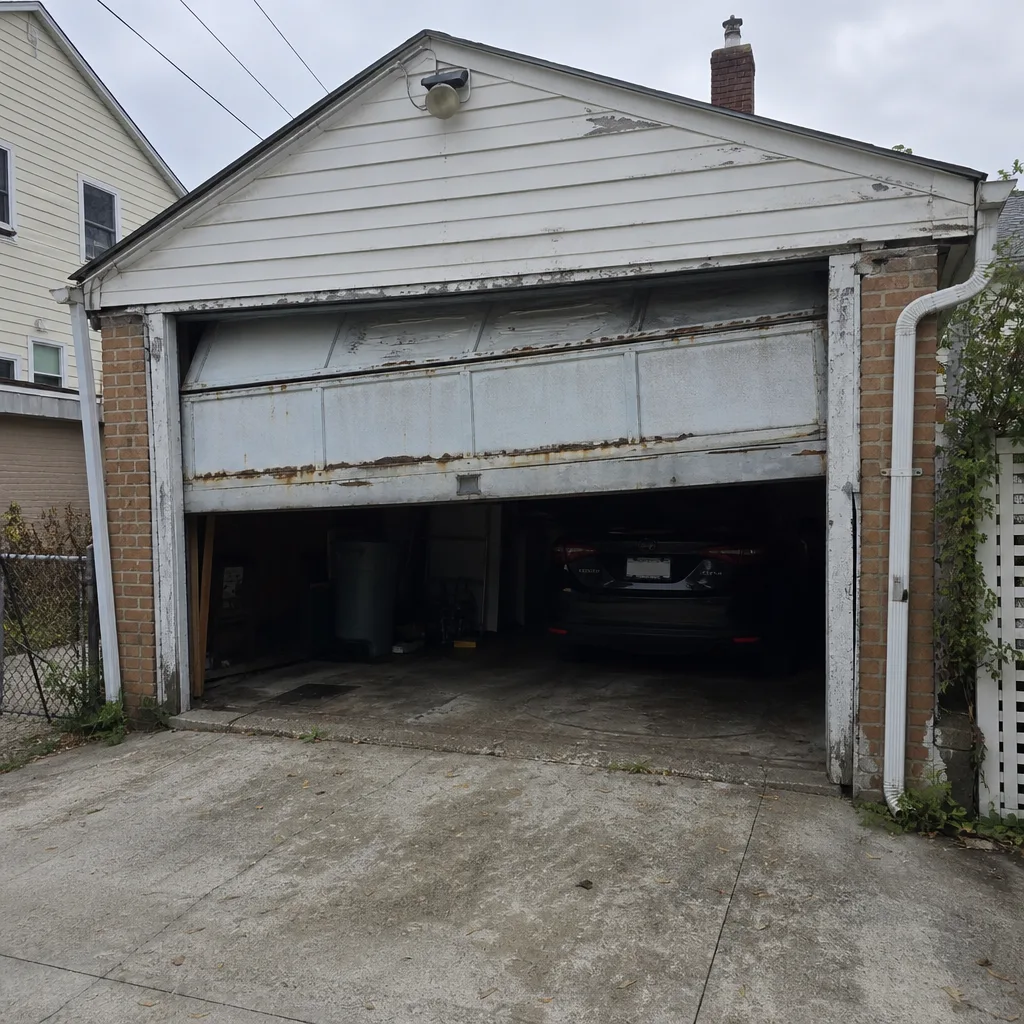 Before
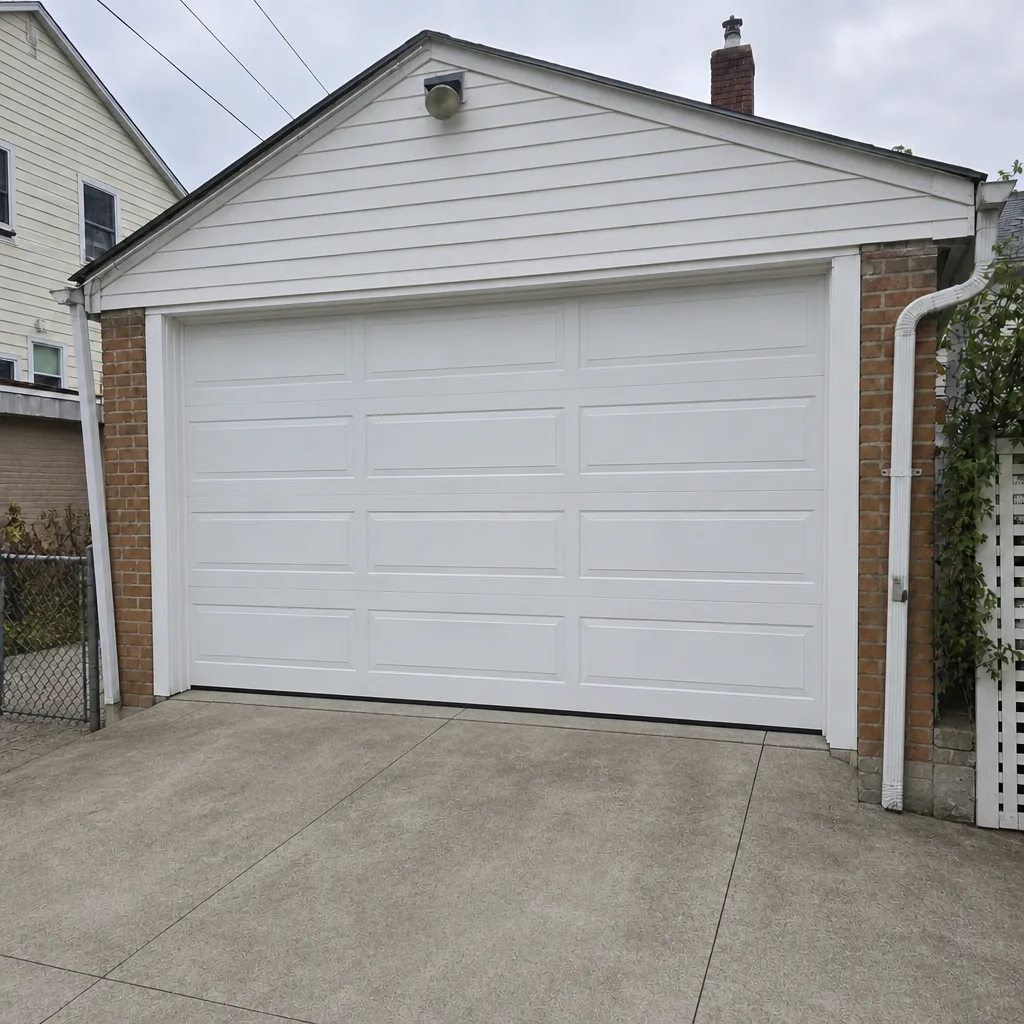 After
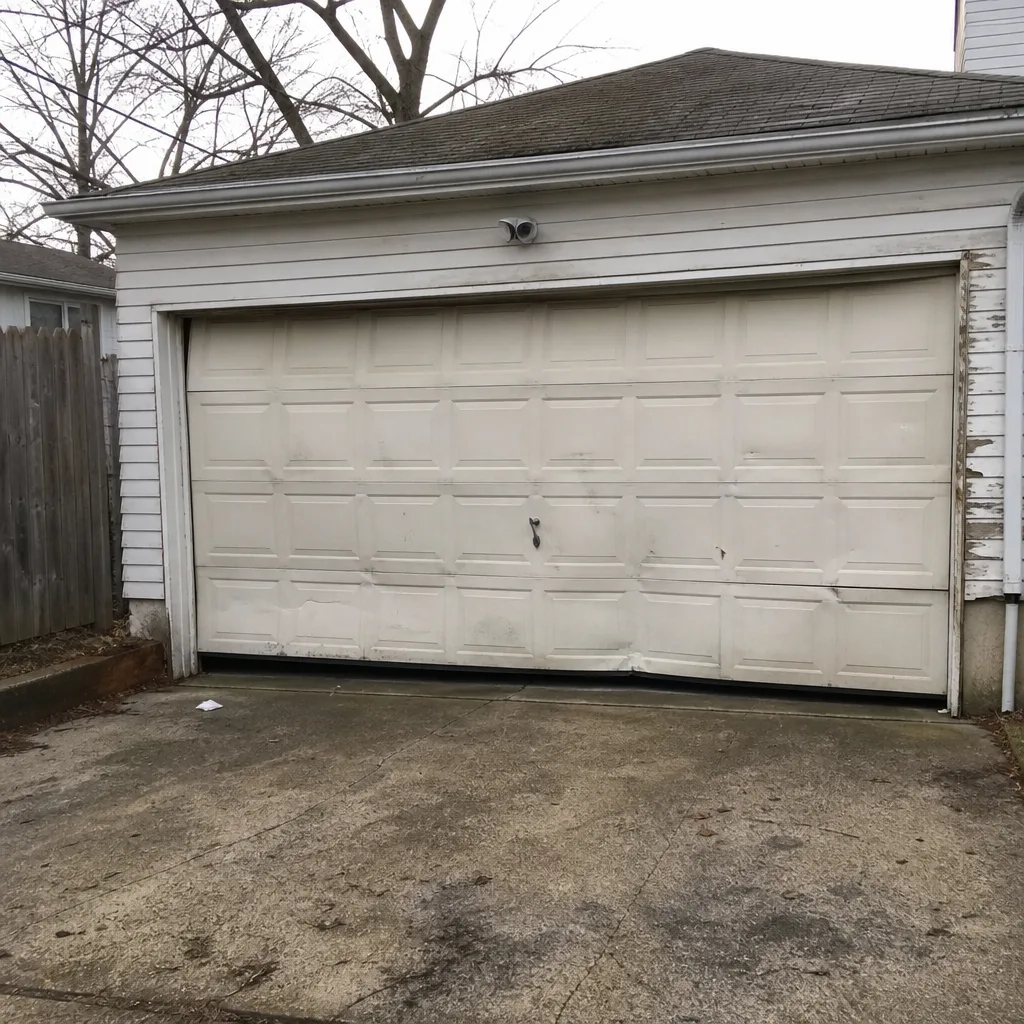 Before
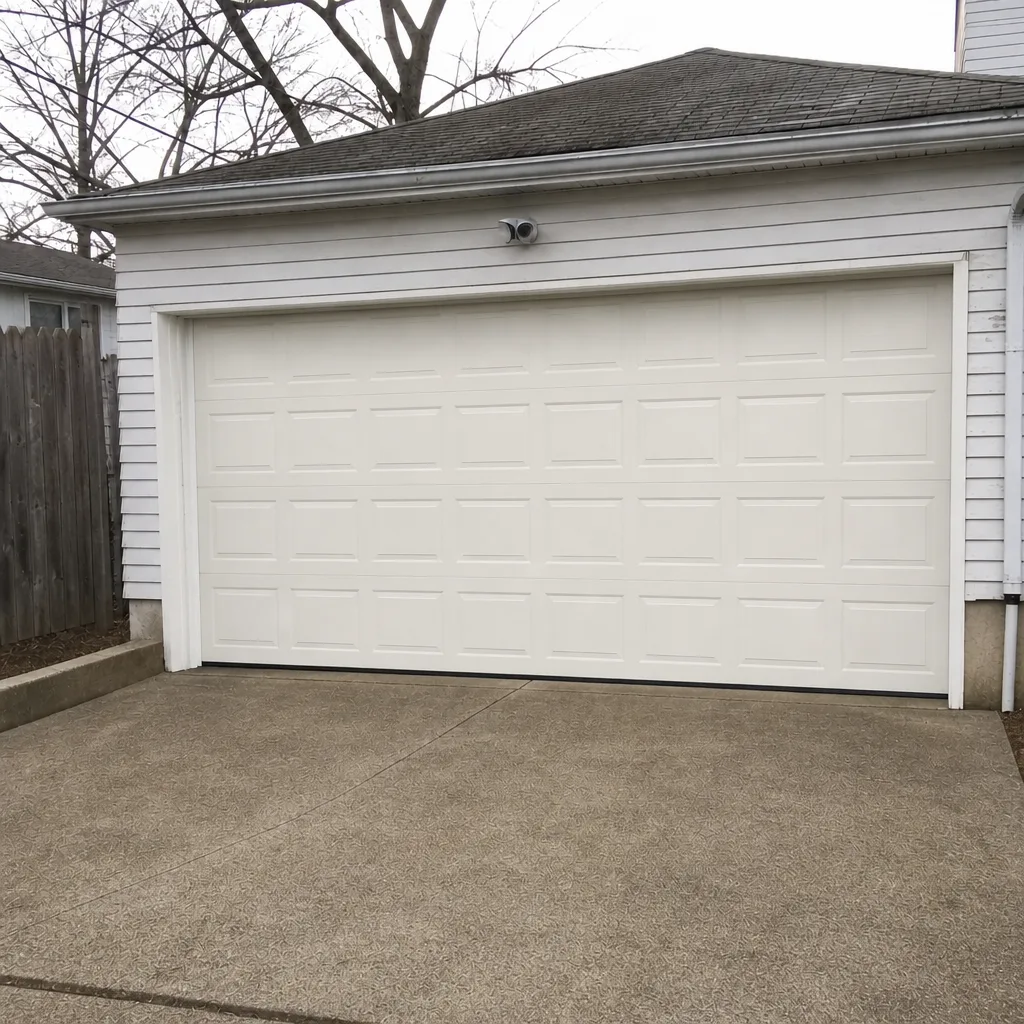 After
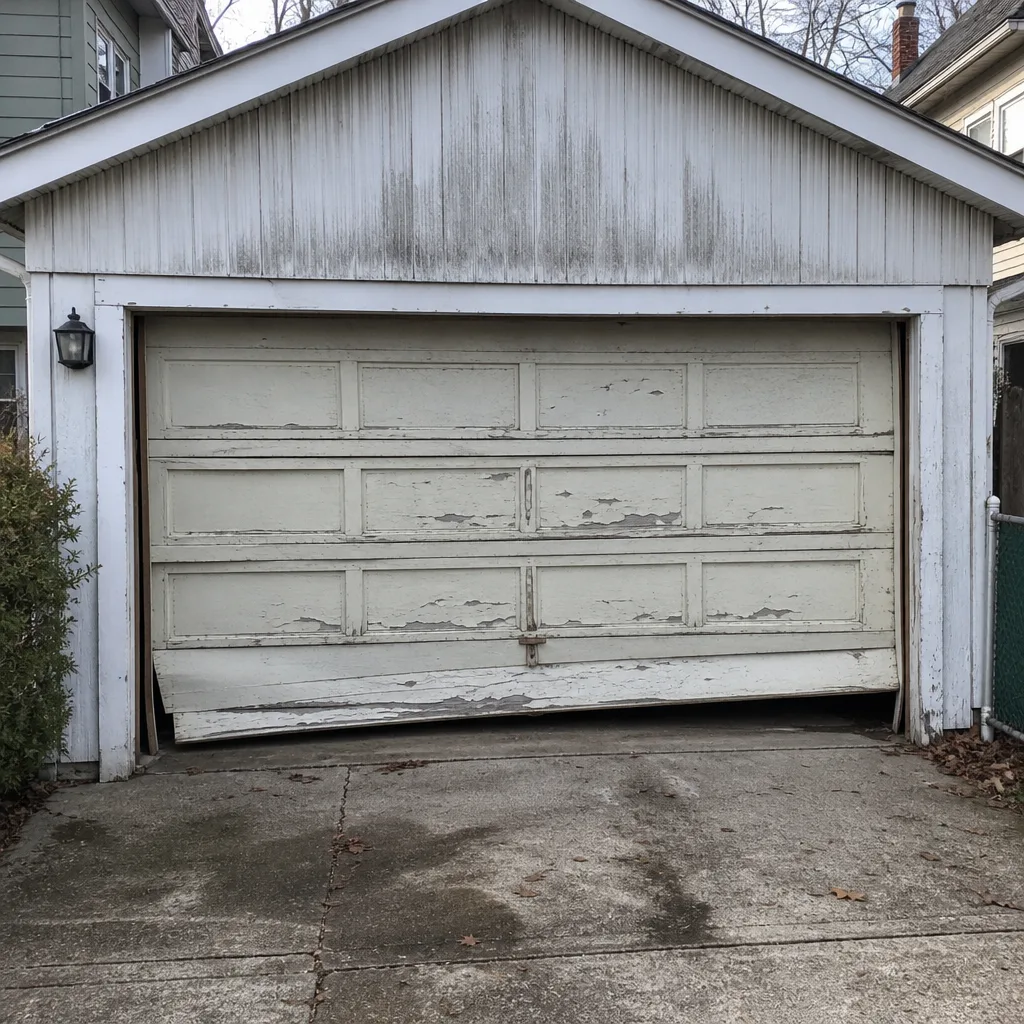 Before
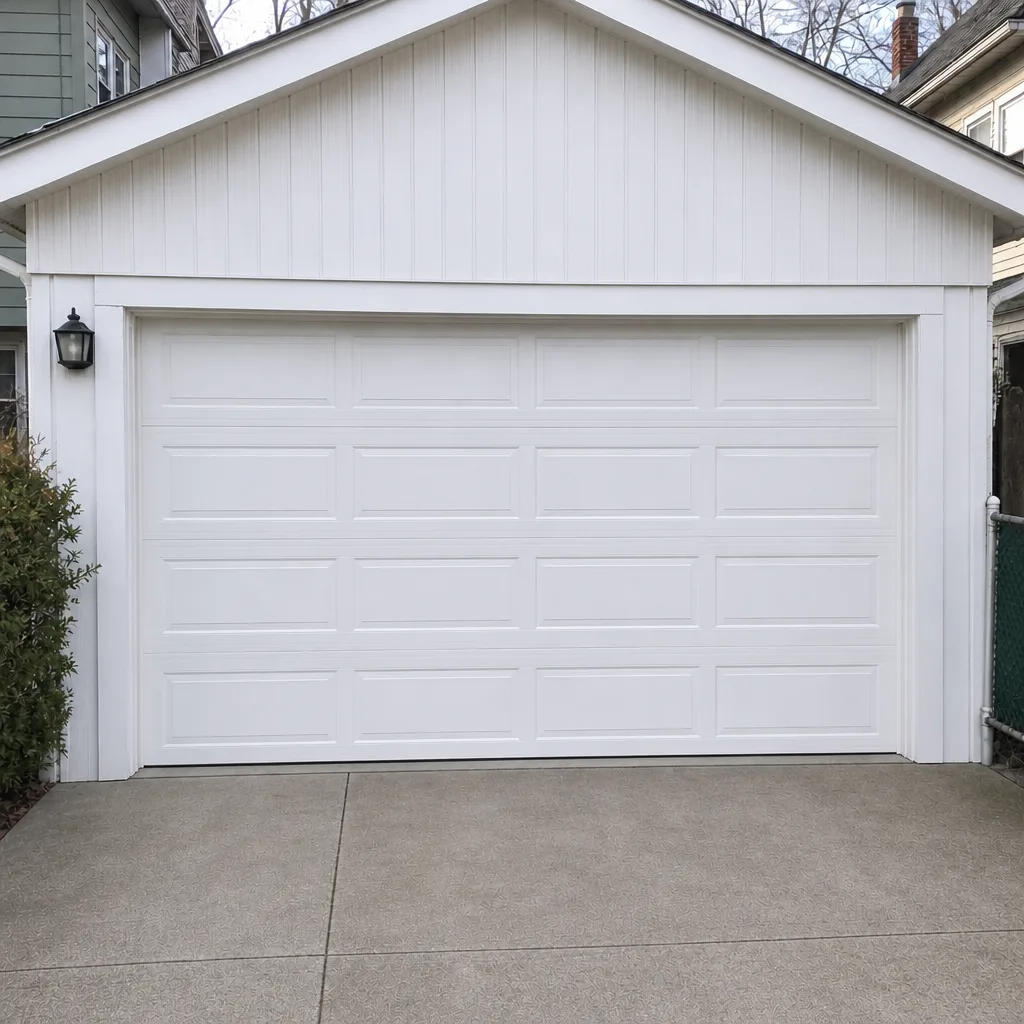 After
Common Mistakes to Avoid
- Choosing a door before checking clearance. The opening, headroom, and side clearance come first. Buying on style alone then discovering it won’t fit wastes time and money, especially in tighter Williamsburg brownstones.
- Ignoring building or board rules. A door the co-op or condo board hasn’t approved can end up needing to be removed. Confirm rules before ordering.
- Trying to tackle a broken spring or cable yourself. These parts are under extreme tension and can cause serious injury. They’re a job for a trained professional with the right tools, no exceptions.
- Replacing a working door because of one failed part. A snapped spring or a failing opener is usually a repair, not a replacement. Get a professional diagnosis before assuming the whole door is done.
- Using a generalist on a brand-specific system. A handyman guessing at a LiftMaster or Chamberlain opener may cause repeat visits. Use a specialist who works on the brand you own.
- Overlooking noise in attached buildings. A loud chain-drive opener can run afoul of city noise rules and neighbor complaints. Quieter belt-drive equipment and proper balancing solve the problem.
- Delaying repair when the door is stuck. A door that won’t open or close affects security and daily life. Waiting for a weekend or a day off often just makes the inconvenience worse.
When to Call a Professional
Some garage door problems are safe to observe and note; almost none are safe to fix yourself, especially if they involve springs, cables, or electrical openers. Call a professional when a door won’t open or close, when you hear a loud snap, when the door moves unevenly or reverses partway, when the opener doesn’t respond to the remote or app, or when a door is stuck during a time-sensitive morning. Emergency situations, like a door that won’t budge when you need to leave, are exactly what emergency service is for. For anything involving springs or cables, call rather than attempt it. Williamsburg Garage Door Repair Pros offers free estimates in Williamsburg – call (855) 914-9583 to get a written quote before any work begins.
Frequently Asked Questions
Typical garage door repairs in Williamsburg run from roughly $100 to $350 depending on the fault, with spring repair, opener repair, track service, and cable work each having their own estimated range. The written estimate you receive before any work starts sets the final price, so there are no surprises on the invoice. Call (855) 914-9583 for an exact quote – estimates are free.
We can often address repair calls the same day, and emergency service exists for doors that won’t open or close when you need them to. That depends on the fault and parts availability, and installation or replacement work is scheduled rather than same-day. Call (855) 914-9583 and we’ll tell you what’s possible for your situation.
Yes, and in Williamsburg they often determine the whole project. A converted loft, a brownstone, and a new condo tower each bring different clearances, and co-op or condo board rules and city noise restrictions can rule out certain doors or openers entirely. Confirm those constraints with your building before ordering any equipment.
Repair is usually the smarter financial move when the door’s structure is sound and only a component has failed. Replacement makes more sense when the door is compromised, its style conflicts with building rules, or it’s at the end of its life. Get a professional diagnosis first – call (855) 914-9583 for a free estimate.
We service eight major brands: LiftMaster, Chamberlain, Genie, Clopay, Amarr, Wayne Dalton, Craftsman, and Raynor. That covers the equipment most common in Williamsburg buildings, so there’s usually no need to replace working hardware to get it serviced.
The written estimate is the price. We quote and agree on the scope and the number before any work starts, and the technician confirms it with you on site. If the problem turns out to be different from what was described, we tell you before proceeding. Call (855) 914-9583 for an exact quote.
The Bottom Line
Garage door decisions in Williamsburg start with the building, not the catalog. The clearances, below-grade access, and rules of your converted loft, brownstone, or condo tower shape which door and opener actually work, and those constraints matter more than style alone. Repair the door most of the time, replace only when structure or rules demand it, and always check building and city requirements before ordering. Work with a specialist who knows the brands already on your building, and who quotes the price before any work starts. Make the call before a stuck door turns into a bad morning.
Williamsburg Garage Door Repair Pros works on the brand you already have, from a snapped spring to a smart opener, and we’re built to cover the whole garage door lifecycle so you don’t need a second company. Our technicians have up to 12 years of experience. For a free estimate, call (855) 914-9583.
Written by the team at Williamsburg Garage Door Repair Pros.