Last updated November 21, 2026
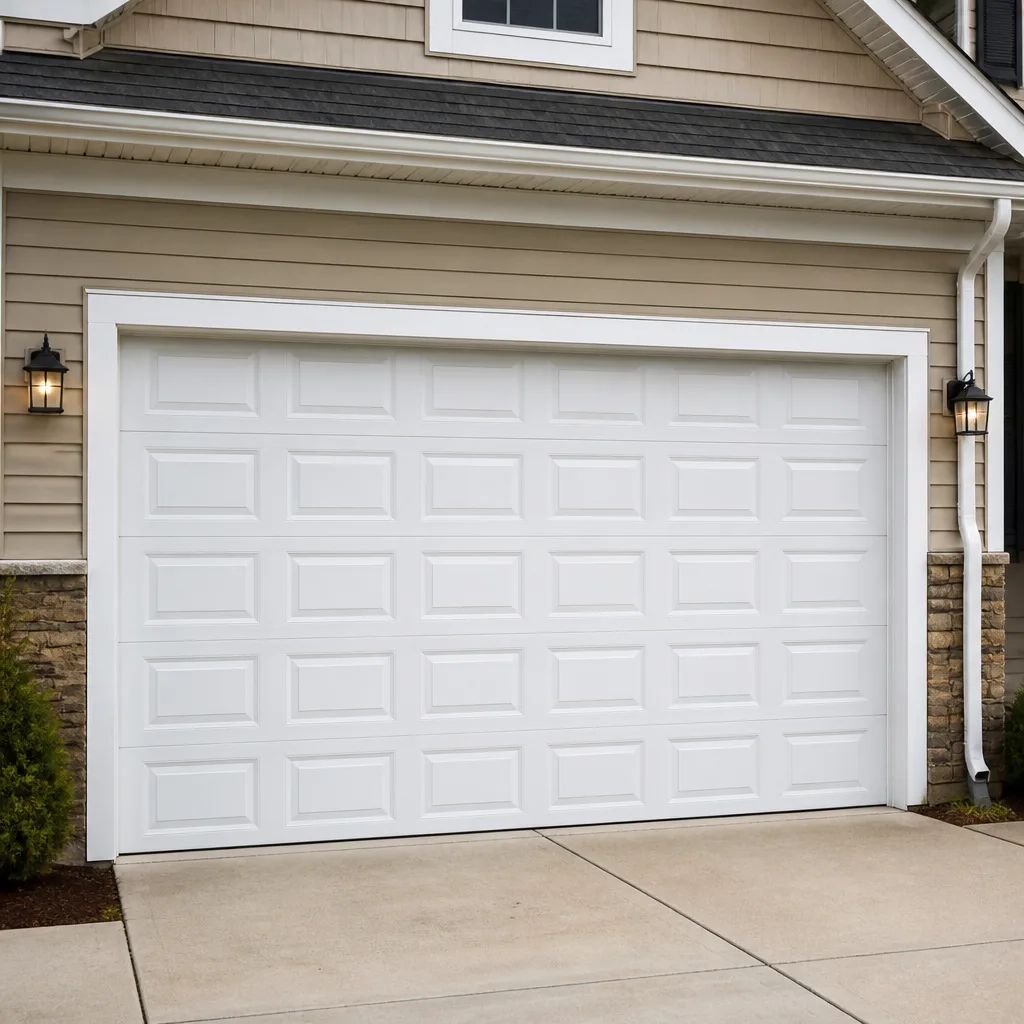 Raised-panel steel
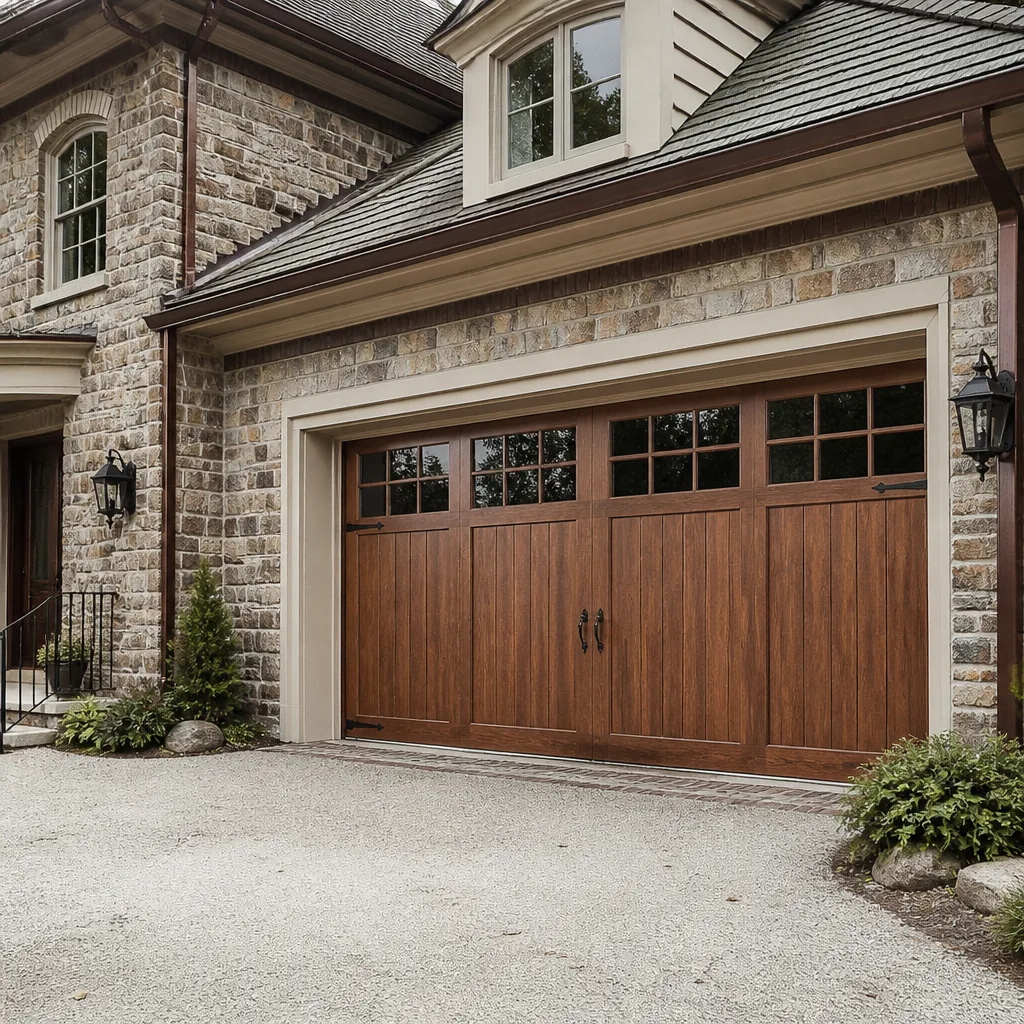 Carriage house
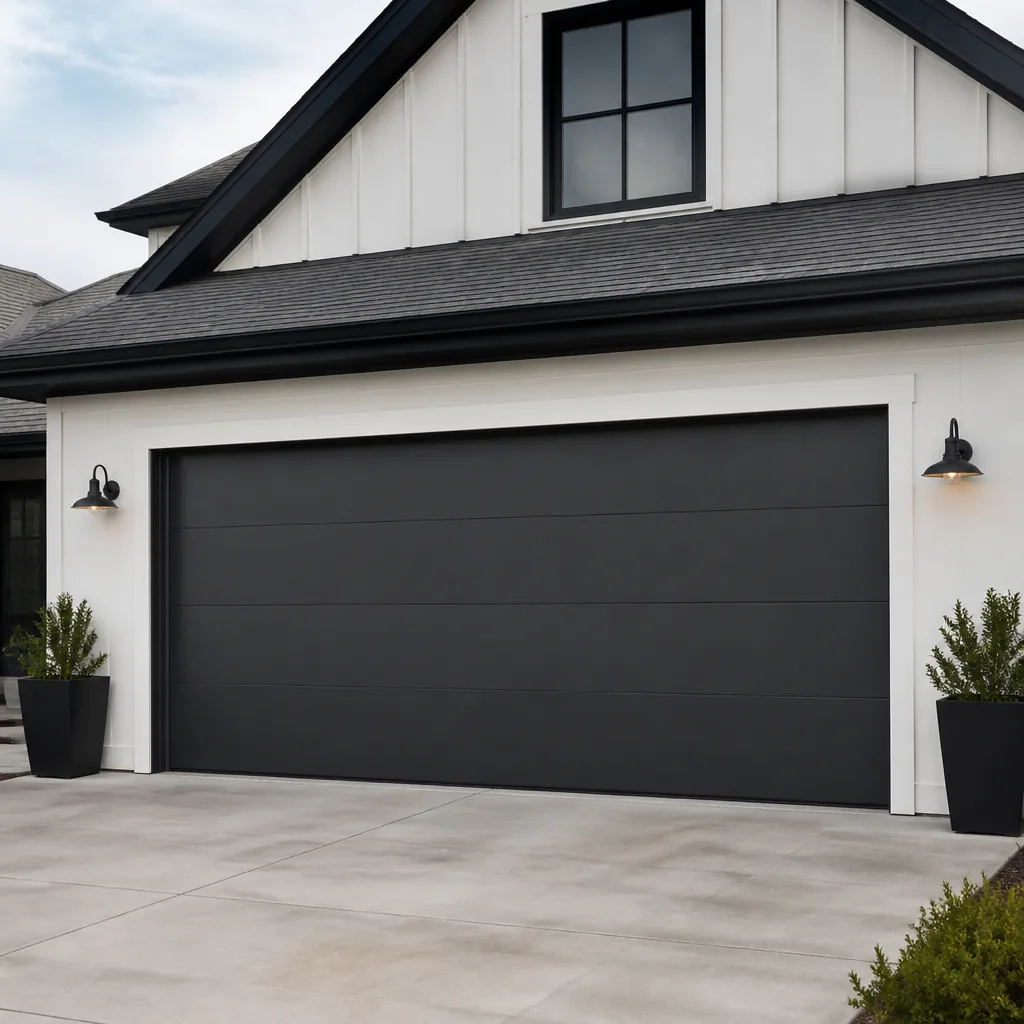 Modern flush
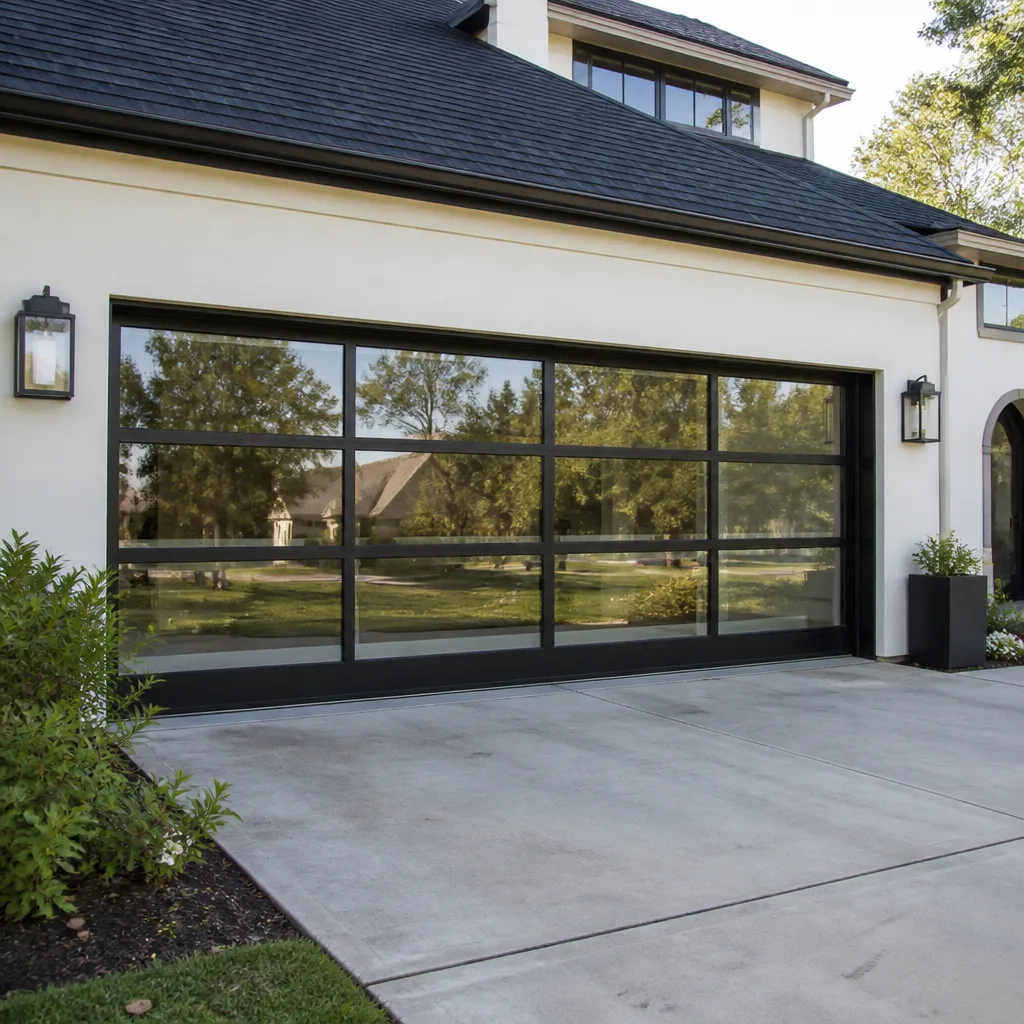 Full-view glass
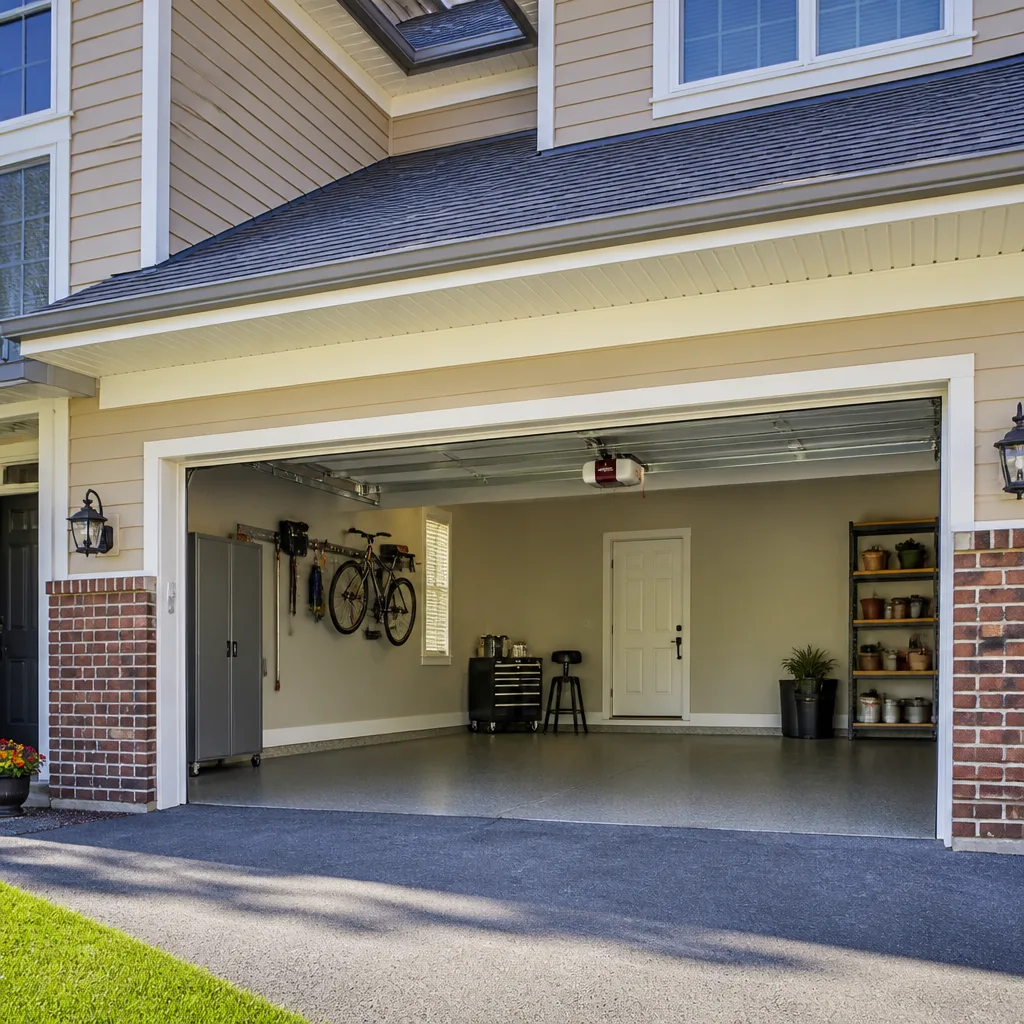 LiftMaster openers
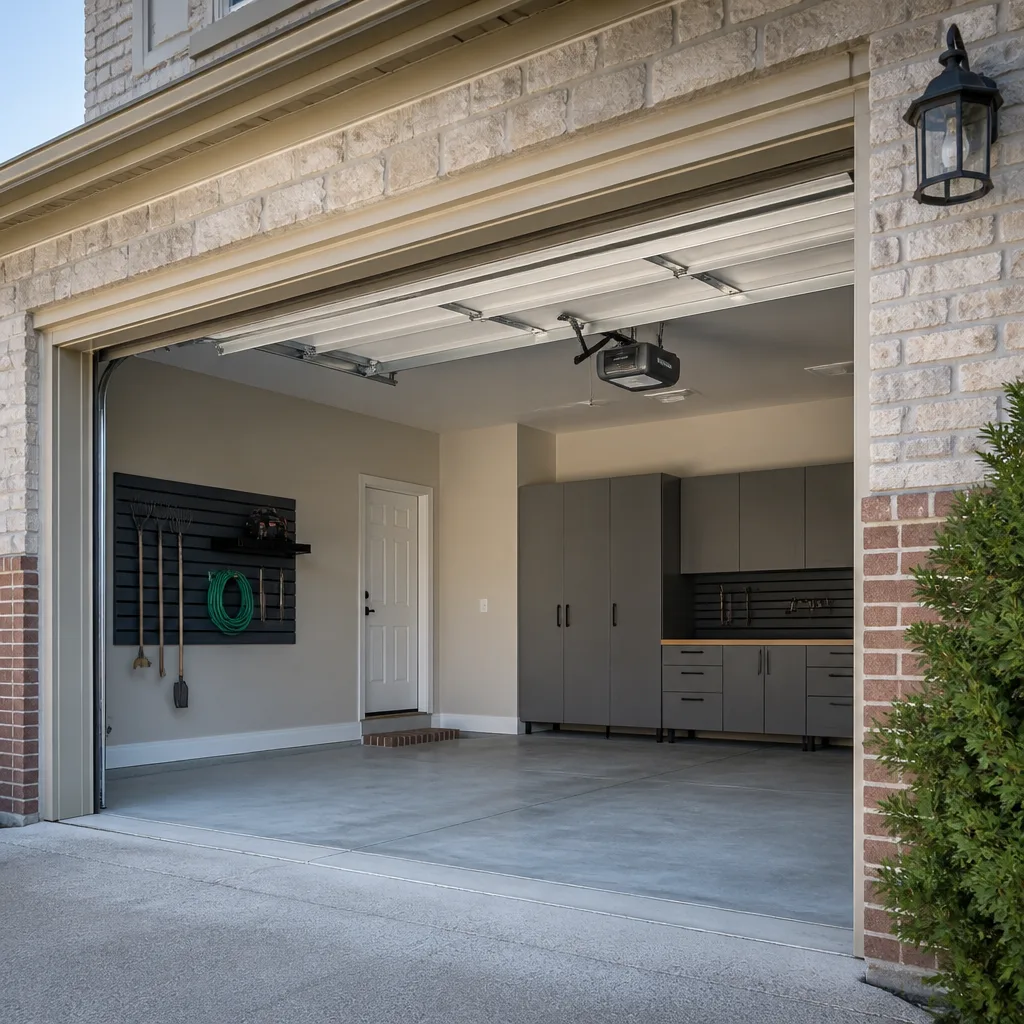 Chamberlain openers
Full 25-point door and opener safety check with every visit - springs, cables, rollers, tracks, and your LiftMaster or Chamberlain opener included
You get a price before we start. It does not change when the pro arrives.
Get your free estimateGarage Door Permits, Codes & Inspections in Williamsburg, NY: What You Need to Know
Most homeowners in Williamsburg assume a garage door replacement is a simple swap-and-go job: order the door, watch it go up, done. That assumption is the source of a lot of trouble later. New York City’s building code treats a garage door opening as a structural element of the building envelope, not a cosmetic upgrade, and the line between “like-for-like replacement” and “structural change” is where permits get missed. This guide breaks down when a permit is required in Williamsburg, what an inspection actually checks, how the NYC Energy Conservation Code shapes new door and opener specs, and what unpermitted work looks like during a title review. It’s written for homeowners, co-op and condo boards, and anyone buying or selling property here.
Quick Answer
In Williamsburg, a straight like-for-like garage door replacement, same size, same material, same opening, generally does not require a permit. But any change to the opening’s dimensions, structural framing, header, or the way the door is anchored typically does, and new doors and openers must meet NYC Energy Conservation Code requirements. If you’re selling, unpermitted structural work can surface during title review and stall a closing.
Styles & brands we work with
- Raised-panel steel
- Carriage house
- Modern flush
- Full-view glass
- LiftMaster openers
- Chamberlain openers
Table of Contents
- The NYC DOB Threshold: When a Garage Door Permit Is Required
- How the NYC Energy Conservation Code Affects New Doors and Openers
- What a NYC DOB Inspection Actually Checks
- Landmark and Historic District Considerations in Williamsburg
- How Unpermitted Work Shows Up During a Sale
- The Permit and Inspection Process, Step by Step
- How to Choose a Garage Door Company That Handles This Correctly
The NYC DOB Threshold: When a Garage Door Permit Is Required
The NYC Department of Buildings draws a practical line at structural change. If you’re replacing a door with a new one of the same size, same material, same track configuration, and same anchoring points, that’s typically treated as a repair or replacement and doesn’t require a permit. Once you cross into anything that changes the opening itself, the answer flips.
Here’s the general rule we work from, and it’s worth saying up front that the final word belongs to the DOB and your own filing professional. Ask the city’s building department before you commit to a scope, especially if you’re unsure which category your job falls into.
- No permit typically required: swapping a door for a matching one, replacing springs, cables, rollers, hinges, or tracks with parts that keep the same geometry, replacing an opener with one of the same type and rating.
- Permit typically required: widening or heightening the opening, changing the header or framing, switching from a sectional door to a roll-up (or vice versa) in a way that changes the opening’s demands, adding a new opening where none existed, and any work that touches structural load-bearing elements.
- Ask a professional to verify: garage conversions, doors installed on new construction, and any change to how the door is anchored into masonry or wood framing.
In Williamsburg specifically, this threshold matters more than in most of the outer boroughs. A lot of the housing stock is older masonry construction, and many small garage structures behind two- and three-family homes sit on lots that have been subdivided or re-platted over the decades. What looks like a simple door swap on paper can turn out to require new framing when the opening no longer measures square. That’s not a permit issue as much as a “the building has moved and nobody told you” issue, and it’s the kind of thing a site visit catches before the door is ordered.
If you’re planning a full replacement rather than a repair and you’re unsure how the city will classify it, our team walks through scopes like this every week in Williamsburg. More on garage door installation explains what a proper measure-and-spec visit involves.
How the NYC Energy Conservation Code Affects New Doors and Openers
New garage doors and openers in Williamsburg fall under the NYC Energy Conservation Code, a set of requirements that governs thermal performance and system efficiency in buildings. For most homeowners, this is invisible until it comes up during a permit filing or an inspection, at which point it suddenly drives product selection.
The practical effect is this: any new door installed as part of permitted work needs to meet a thermal performance threshold appropriate to the type of building and whether the garage is conditioned or unconditioned. In practice, that means the door’s insulation rating and construction matter, and the choice between a basic uninsulated steel door and a higher-R-value insulated door isn’t purely aesthetic. If your garage shares a wall with living space, or if the garage door is on an attached structure, the code requirements are stricter than for a detached garage.
Openers factor in less directly but still matter. Door operators that stay in standby mode 24 hours a day draw continuous power, and the code’s efficiency requirements have pushed more homeowners toward operators with lower standby consumption. This is one reason smart openers from brands like LiftMaster and Chamberlain have gained traction: they’re built to modern efficiency baselines and integrate with home systems that can schedule and monitor them.
What this means for you as a homeowner
- Specify the door correctly the first time. If a permit is pulled, the door you order has to match the door on the filing. Re-ordering after an inspection fails is expensive and slow.
- Don’t assume “any insulated door” works. The right door depends on whether the garage is conditioned, whether it’s attached to living space, and the building’s classification.
- Opener choice should match the door. Heavier insulated doors need stronger operators; choosing an opener before the door is settled is backwards.
- Keep the documentation. Manufacturer spec sheets, doortag labels, and the installing company’s work record belong in your file, because they surface during a sale.
In our experience across Williamsburg, the energy code conversation usually happens two ways: during a permitted replacement in a renovated rowhouse where the garage has been absorbed into the living envelope, or during a sale when a buyer’s inspector flags a new door installed without documentation. Both are easier to handle when the door and opener were specified together from the start. That’s a big part of why we treat garage door opener repair as its own discipline: the operator and door were designed as a system.
What a NYC DOB Inspection Actually Checks
A NYC DOB inspection of garage door work is not a full mechanical test of your door. It’s a compliance check, and knowing what it looks at saves you from preparing for the wrong thing. The inspection generally confirms that what was installed matches what was filed, and that certain structural and safety conditions are met.
What inspectors typically focus on
- The door and opening match the filed scope: dimensions, material, and configuration.
- Structural attachment is sound: anchoring, header, framing, and the connection between the door and the opening.
- The opening and surrounding structure are intact and weren’t altered beyond what was filed.
- Energy code compliance evidence for the installed door, typically manufacturer documentation.
- Site conditions match permit scope, including any required guardrails, headers, or access adjustments tied to the filing.
What an inspection typically ignores
- How smoothly the door operates day to day.
- Whether the springs are correctly tensioned for the door’s weight.
- Balanced travel, roller condition, and hinge wear.
- Opener programming, remote pairing, and safety reverse settings.
That gap is worth understanding. A door can pass inspection and still be a door that slams, binds, or fails the safety reverse test. The inspection is a structural check; it’s not a service check. In Williamsburg, where doors are often within a few feet of a sidewalk or a shared driveway, the mechanical condition matters as much as the compliance side, and a door that passes an inspection but drops hard on a person or a bicycle is still a hazard. Our technicians have up to 12 years of experience and always run the safety reverse test as part of any installation or repair visit, inspection or not.
Landmark and Historic District Considerations in Williamsburg
Parts of Williamsburg fall under historic district or landmark designations, and those designations add a layer of review on top of the DOB process. If your property sits in a designated area, exterior changes to your garage door can require approval from the Landmarks Preservation Commission before a building permit is even filed.
The rules aren’t uniform across the neighborhood. Some blocks carry more restrictive protections than others, and the review standard is typically about preserving the character of the streetscape: material, color, panel style, window configuration, and how the door reads from the street. An insulated steel door with a modern raised-panel profile might be acceptable in one location and inconsistent with design guidelines in another.
How to check whether this applies to you
- Look up your property in the city’s historic district and landmark maps, or ask the Landmarks Preservation Commission directly.
- If it does apply, submit a design proposal before ordering a door. Approvals can take longer than the door lead time.
- Keep the approval documentation with your permit file and your property records.
- Have the installing company confirm the door style against the approved design before delivery.
In our experience, the design review is the step most people miss. They order the door, it arrives, and only then do they find out the panel profile isn’t on the approved list. On a Williamsburg property, that can mean paying to re-order a door you already paid for once. And when the garage door is the largest moving part of the house, its visual footprint matters more than people think: it’s often the widest single element on the facade. If a design review is in play, budget the extra time. The full arc, from designation check to installation, is covered on our installation guide.
How Unpermitted Work Shows Up During a Sale
Unpermitted structural work tends to sit quietly until the moment you need a clean record, and then it surfaces in the worst possible place: title review during a sale. In New York City, a title search and an open-permit check are part of the standard closing process. If the search returns open or unresolved permits, the closing can be delayed until the issues are resolved, and in some cases a buyer’s lender will walk away rather than take on the risk.
The triggers most often involve a garage door in one of these ways:
- A permitted structural change was started but never signed off, leaving an open permit on the record.
- A new door was installed as part of a larger renovation that didn’t include it in the filed scope.
- An unpermitted door installation doesn’t meet current energy code or is inconsistent with the certificate of occupancy.
- A garage conversion that was completed without permits surfaces during a buyer’s inspection or title search.
What remediation typically involves
- Pull a permit for the work that was done, even retroactively, so it can be inspected and closed out.
- Have a filing professional submit drawings for the as-built condition.
- Schedule and pass the inspection.
- Record the sign-off so a title search finds a closed permit.
Timelines vary by scope, filing professional, and DOB workload, so it’s not something to leave to the last week before closing. If you’re buying property in Williamsburg and want to know whether this is a live issue, ask your attorney to run an open permit search early. If you’re selling, check your permit file before you list. A permit that’s been closed with documentation is a non-issue; a permit that’s open is a red flag a buyer’s attorney will find. That’s a large part of what we mean when we talk about doing the job right the first time.
The Permit and Inspection Process, Step by Step
If your job crosses the threshold and needs a permit, the sequence is consistent, and messing up any step can mean a failed inspection. Here’s how a properly handled garage door permit process generally runs in Williamsburg.
- Determine scope and classification. Confirm whether the work is a like-for-like replacement (typically no permit) or a structural change (typically requires a permit). The DOB is the authority here; ask the city’s building department.
- Check landmark status. If your property is in a designated historic district, submit the design proposal to the Landmarks Preservation Commission for review before filing a DOB permit.
- Prepare the filing. Drawings, door specifications, opener specs, and energy code documentation go into the permit application, usually through a licensed filing professional.
- Submit and wait for approval. The DOB issues the permit, and the work can proceed once it’s in hand. Order the door only after specs are final.
- Install to the filed scope. The door that arrives should match the door on the filing. Any deviation needs to go back through the process.
- Schedule the inspection. Request the inspection through the DOB. Make sure the site is accessible and the documentation is on hand.
- Pass and close out. Once the inspection passes, the permit closes, and the sign-off becomes part of your property record. Keep copies.
The most common failure point is step five: the door arrives and it’s not what was filed. That happens when the installing company and the filing professional aren’t in sync. When we work on a Williamsburg installation, we coordinate with the filing side so the door, opener, and spec sheet all line up before anything is ordered.
How to Choose a Garage Door Company That Handles This Correctly
The quality of your permit experience is decided by the company you hire, not by the permit office. A garage door specialist who understands the NYC process will ask about landmarks, energy code, and filing scope before quoting a door. A generalist handyman won’t, and that gap shows up months later.
Here’s what to look for, and what we hold ourselves to:
- They ask about scope before price. First question: is this like-for-like or a structural change? If they’re quoting a price without knowing, they haven’t done the work yet.
- They know NYC code and landmark procedures. A company that works in Williamsburg regularly understands the layering of DOB permitting and landmark review.
- They work on the brand you already have. Our team is factory-familiar with eight major brands, including Wayne Dalton, Craftsman, Raynor, and LiftMaster, which means correct parts and correct procedures rather than generic fixes.
- They coordinate installation and filing. Ordering, delivery, and installation should all match the filed scope.
- They document everything. Spec sheets, door labels, and work records belong in your file for future sale or inspection.
- They send a written scope. You should know exactly what’s included and what’s not, in writing, before work starts.
We’re the team behind Williamsburg Garage Door Repair Pros, and this is the work we do every day: repair, opener repair, spring repair, and installation across all major brands. If you want a straight answer on whether your job needs a permit, our garage door repair team can walk you through it without a sales pitch.
Common Mistakes to Avoid
- Assuming all replacements are permit-free. A matching swap usually is, but changing opening dimensions or anchoring is a different job. Get the classification confirmed before you order.
- Ordering the door before the landmark review. In designated Williamsburg blocks, a door that isn’t on the approved design list has to be re-ordered. Check designation first, order second.
- Ignoring the energy code on permitted installs. If a permit is pulled, the door has to meet current NYC Energy Conservation Code requirements for your building type. Choosing based on looks alone creates a re-order.
- Mixing an opener and door without matching them. Heavy insulated doors paired with undersized openers wear fast and can void the door warranty. Specify them as a system.
- Skipping the inspection after a permitted job. An inspection that never happens leaves an open permit on your record, which will surface during a sale.
- Relying on a generalist for structural work. Garage door openings and headers aren’t handyman territory. Hire a specialist who knows the code and the door.
- Treating the safety reverse test as optional. It’s the single most important safety function on the door, and every installation and repair should end with it. We run it on every visit.
See the difference
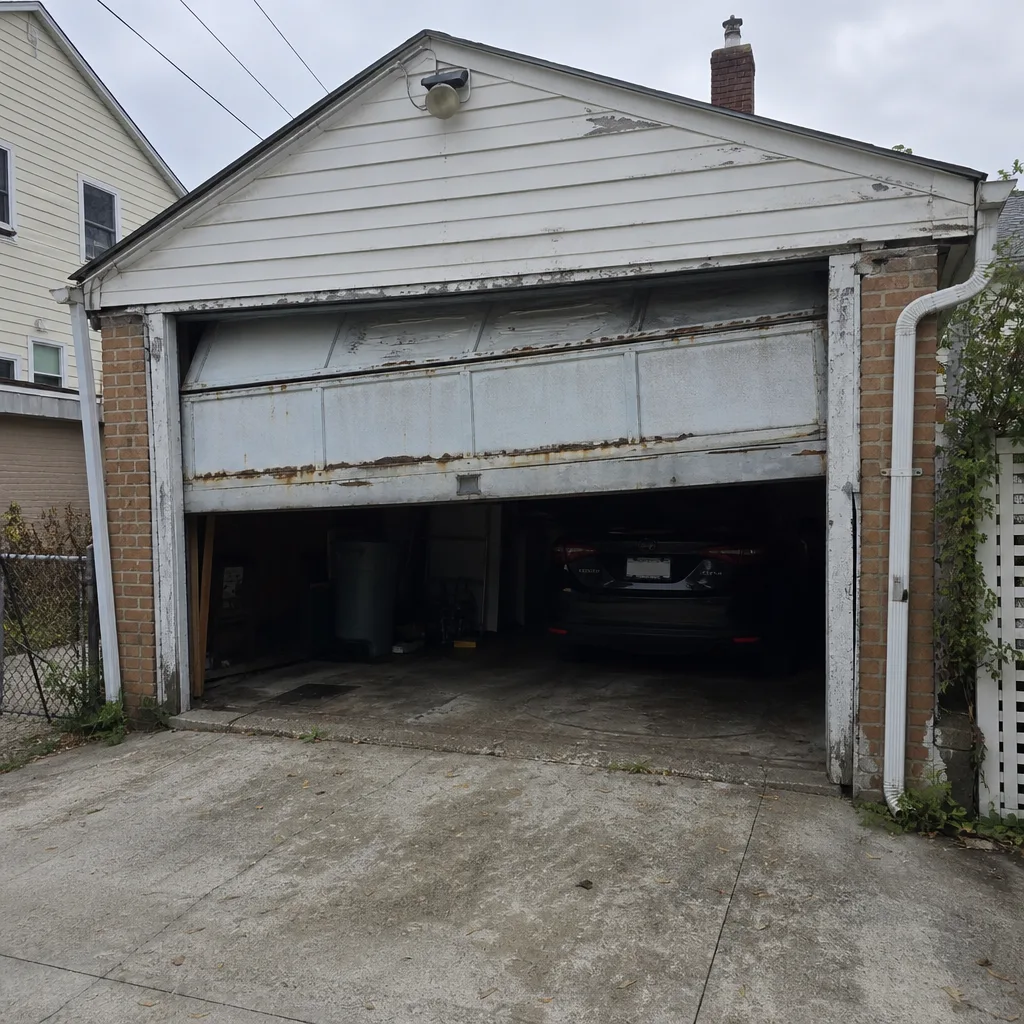 Before
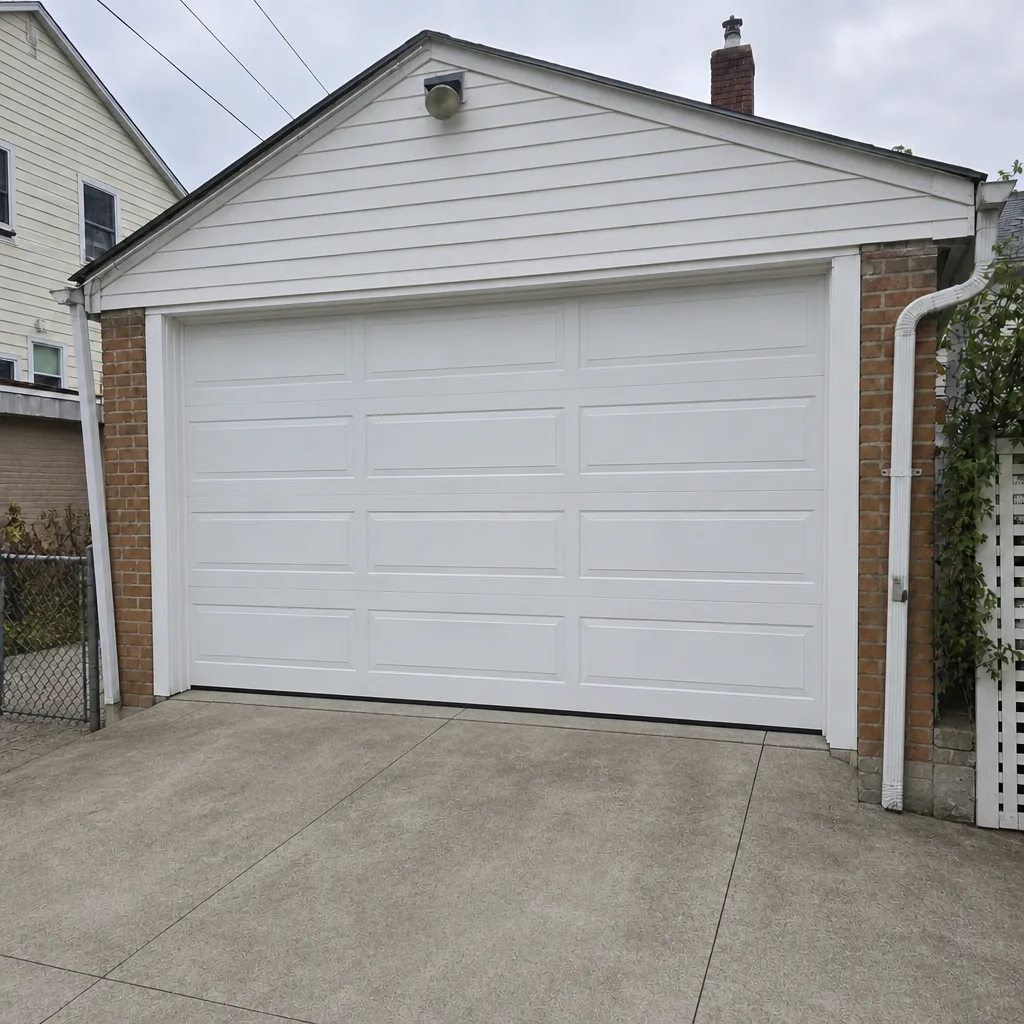 After
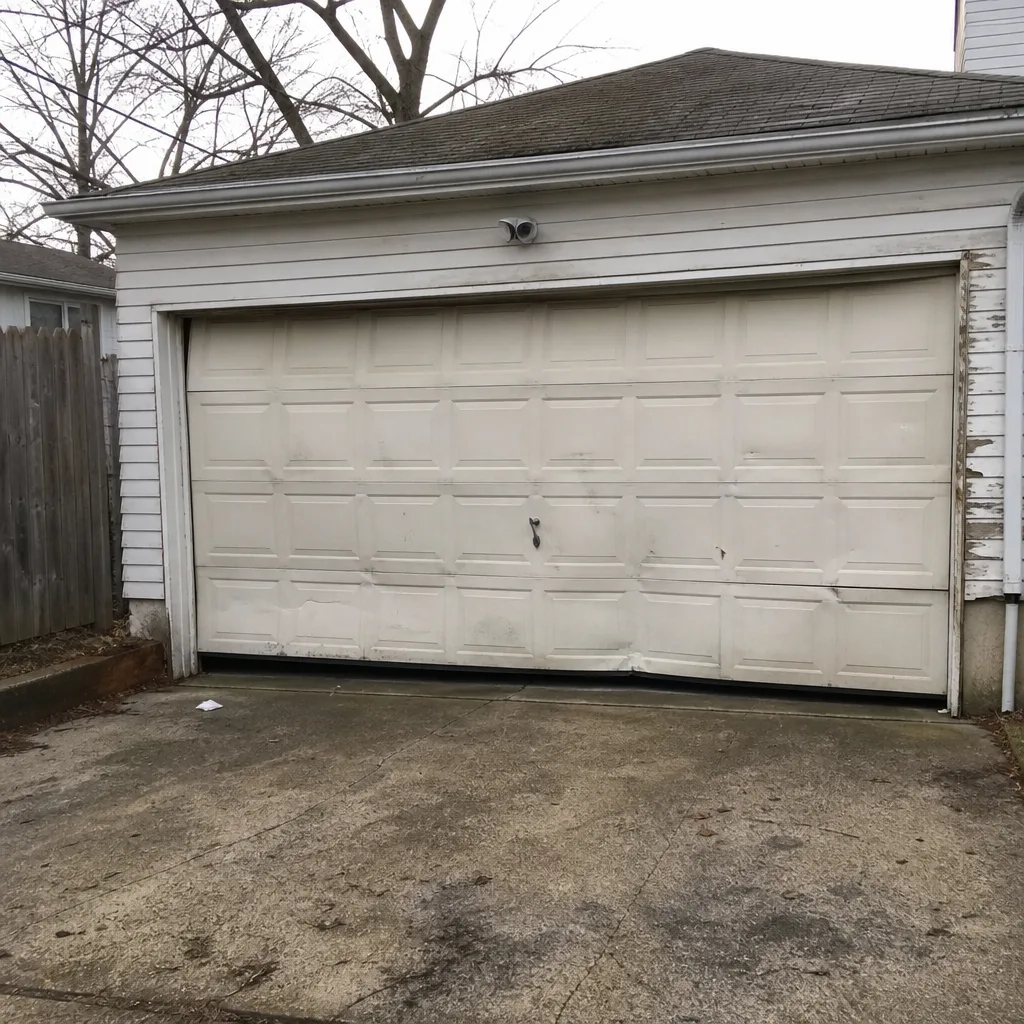 Before
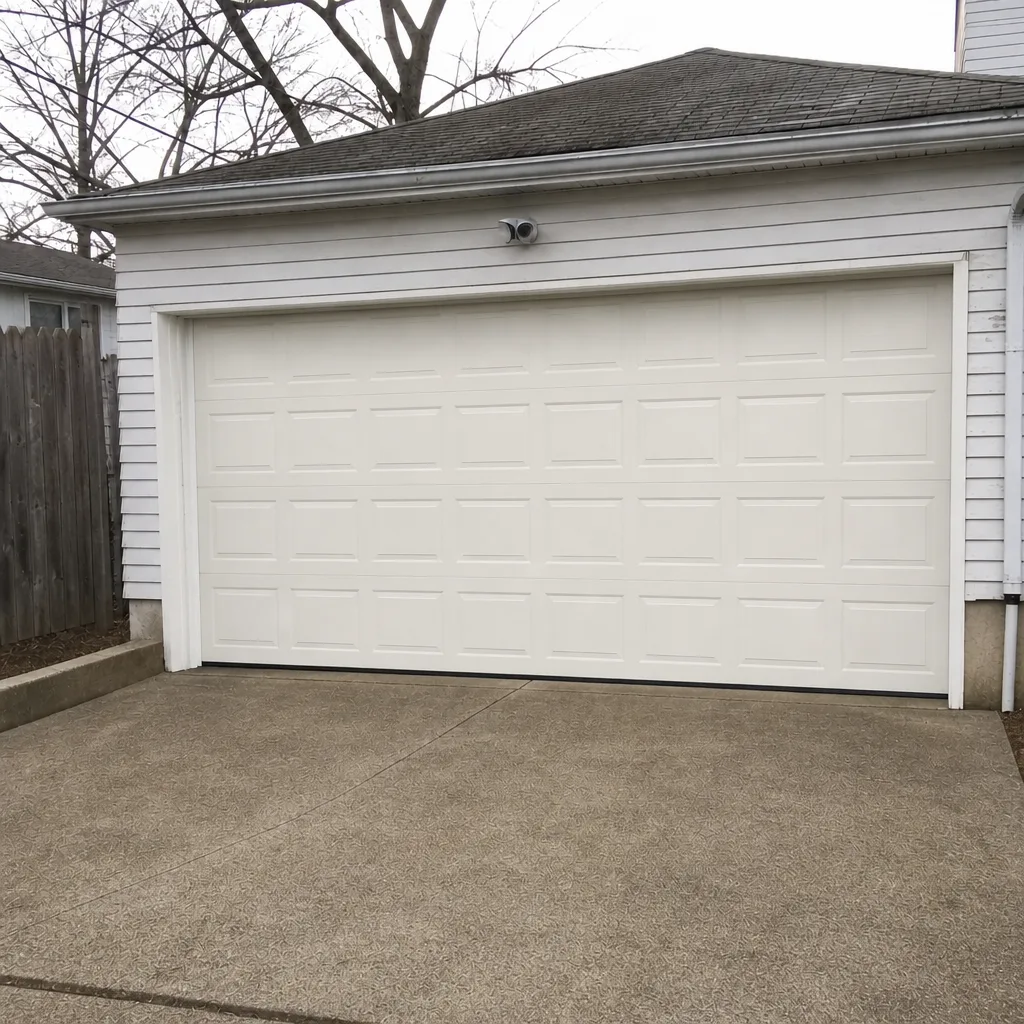 After
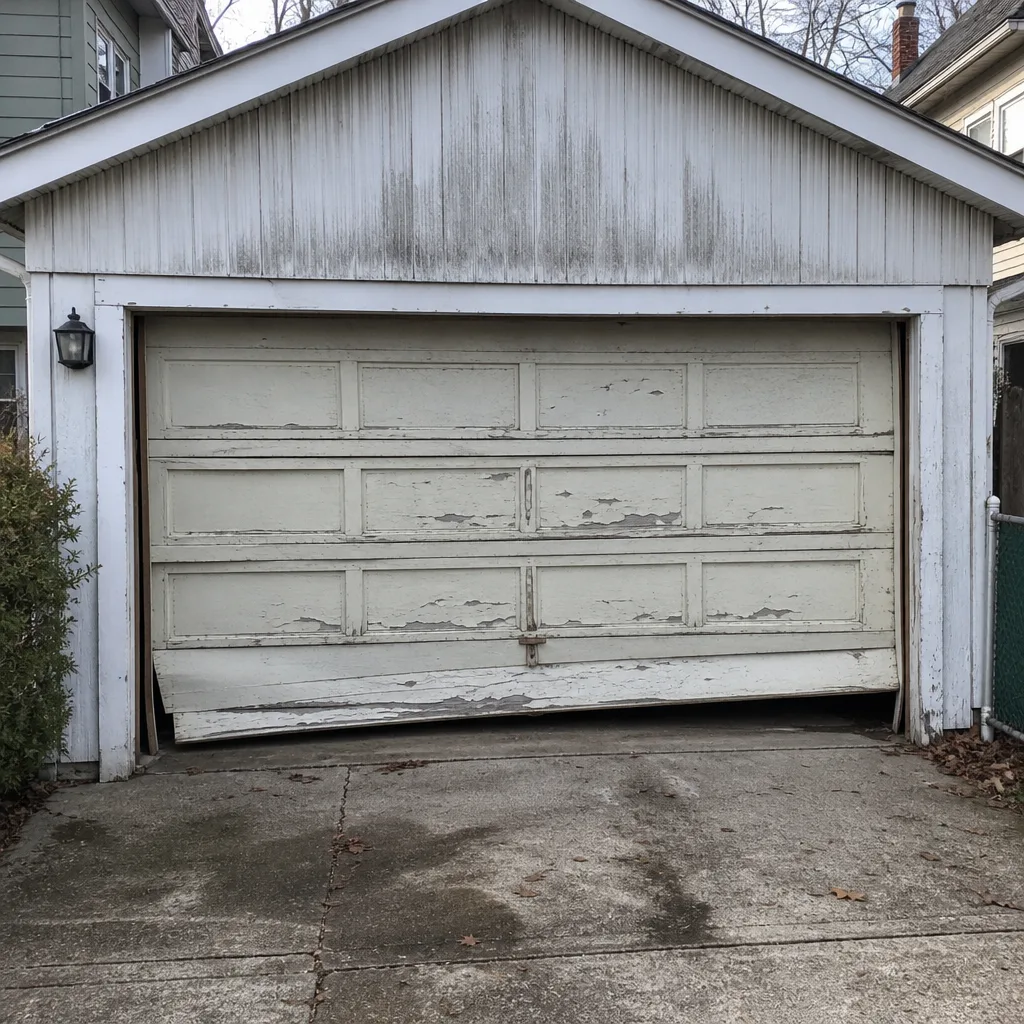 Before
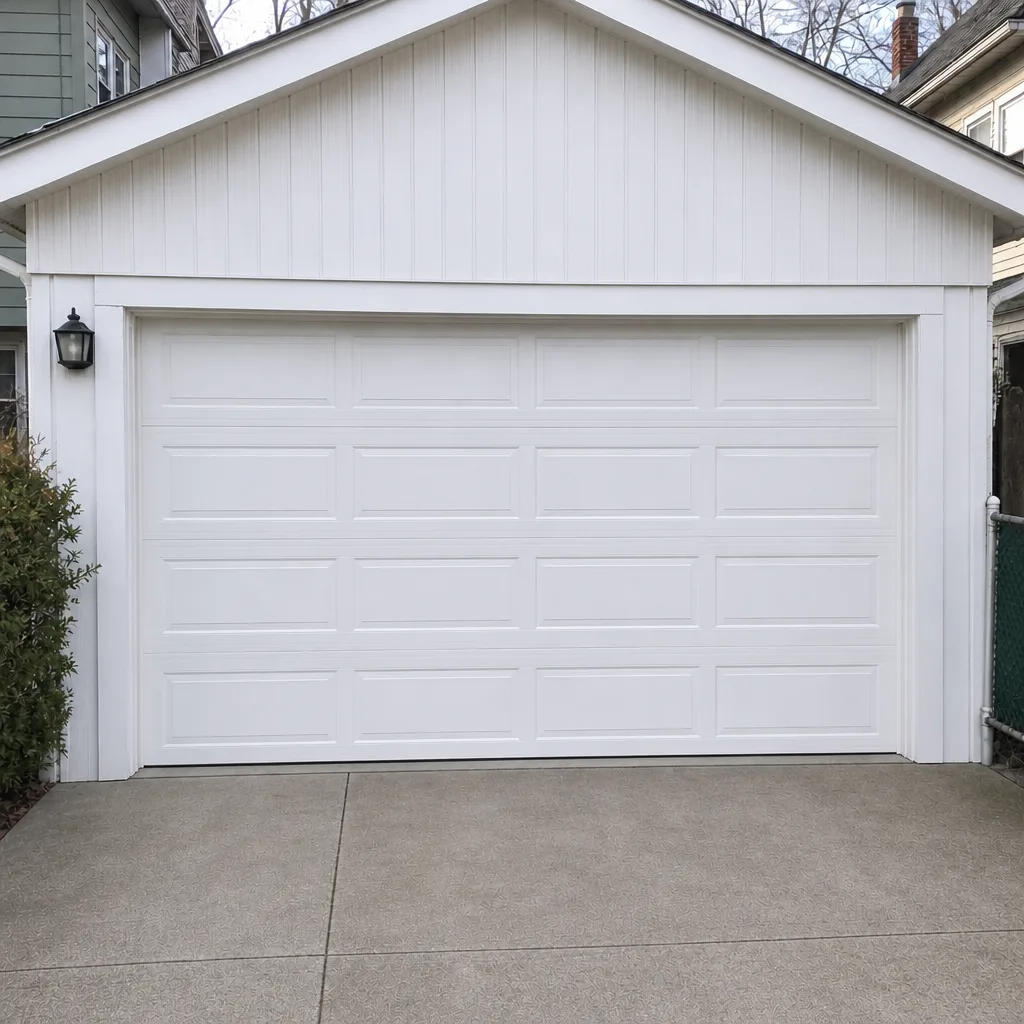 After
When to Call a Professional
Call a professional when the job touches anything structural, when the door needs a new opener that interacts with a door you’re replacing, when a spring breaks, or when you’re not sure whether the job needs a permit. Structural work on a garage opening isn’t the place to guess; the cost of getting it wrong is the closing delay you were trying to avoid. If a door is binding, dropping hard, or failing the safety reverse test, that’s a same-day call. If a spring has snapped, stop using the door and call us; springs are under high tension and are genuinely dangerous to handle. Williamsburg Garage Door Repair Pros offers free estimates in Williamsburg. Call (855) 914-9583 to set one up, and we’ll tell you plainly whether your job needs a permit or not.
Frequently Asked Questions
A like-for-like replacement in Williamsburg typically does not require a permit, but any change to the opening’s dimensions, structural framing, header, or anchoring usually does. Ask the city’s building department to confirm how your specific job will be classified. Call (855) 914-9583 for a free estimate.
A NYC DOB inspection generally confirms the installed door matches the filed scope: dimensions, material, structural attachment, energy code documentation, and site conditions. It does not test how smoothly the door operates or whether the springs are correctly tensioned. Call us for a mechanical check; estimates are free.
New doors installed under a permit must meet the NYC Energy Conservation Code’s thermal performance requirements for your building type, which influences the door’s insulation rating and construction. If your garage is attached to living space, requirements are stricter. Call (855) 914-9583 to walk through what your building needs.
Yes, in designated historic districts a garage door change usually requires design review by the Landmarks Preservation Commission before a DOB permit is filed. Check your property’s designation early, because review timelines can run longer than the door’s lead time. Call us for a free scope review.
An open or unpermitted garage door job can delay closing during title review, and in some cases a buyer’s lender will back out. Remediation usually means filing for a permit retroactively, submitting as-built drawings, and passing an inspection. Call (855) 914-9583 for a free estimate on the door work itself.
A licensed filing professional typically prepares and submits the permit application, and the installing company coordinates so the door, opener, and specs match the filed scope. We coordinate with the filing side on every installation we handle. Call (855) 914-9583 with your questions.
The Bottom Line
Garage door permits in Williamsburg aren’t bureaucratic noise: they’re a record that follows your property. A matching replacement usually needs no permit. Structural changes usually do. Landmark districts add a design review step, and the NYC Energy Conservation Code shapes the door and opener you can install. A DOB inspection checks the structural and compliance side, not the door’s mechanical condition, so the safety reverse test still belongs in your regular routine. And unpermitted work surfaces during title review, not on your timeline. Do it right the first time, document it, and you won’t be the seller whose closing falls apart. Call (855) 914-9583 for a free estimate.
Written by the team at Williamsburg Garage Door Repair Pros.