Last updated November 21, 2026
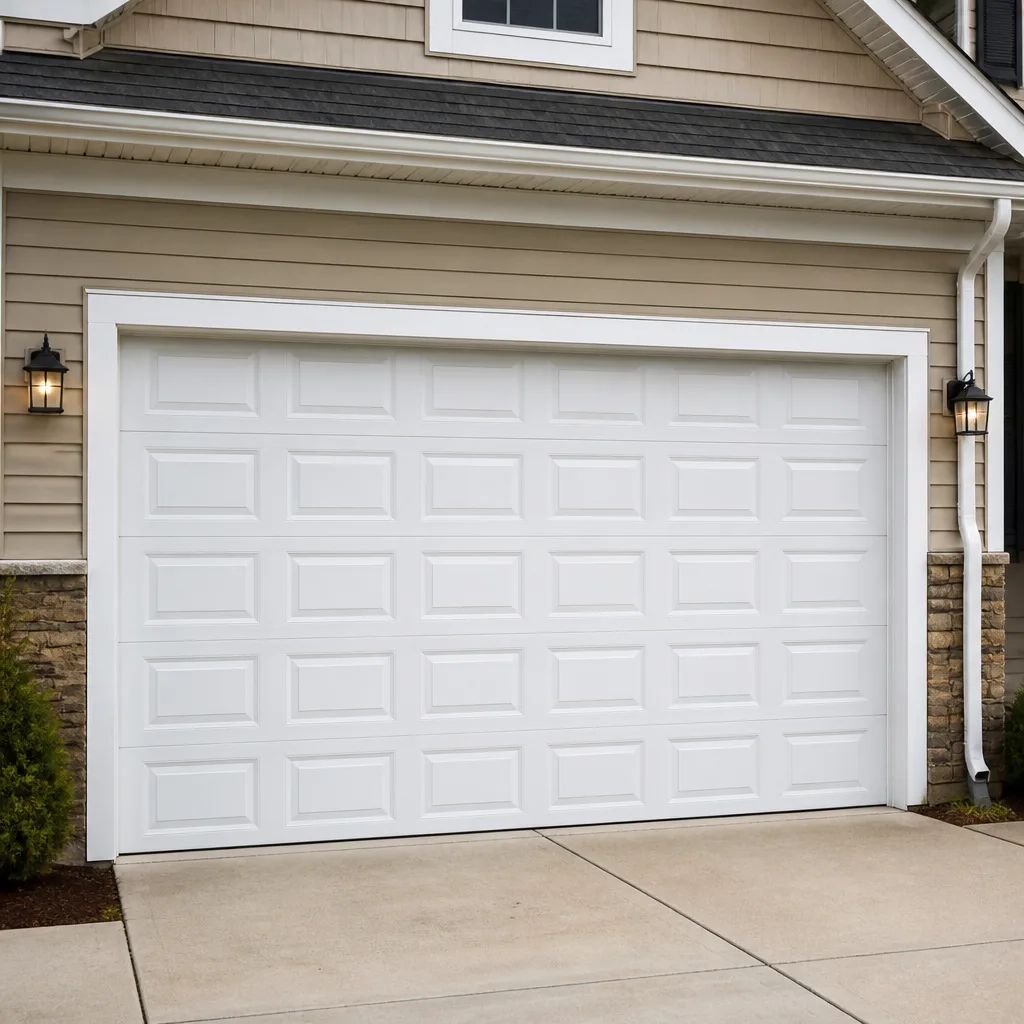 Raised-panel steel
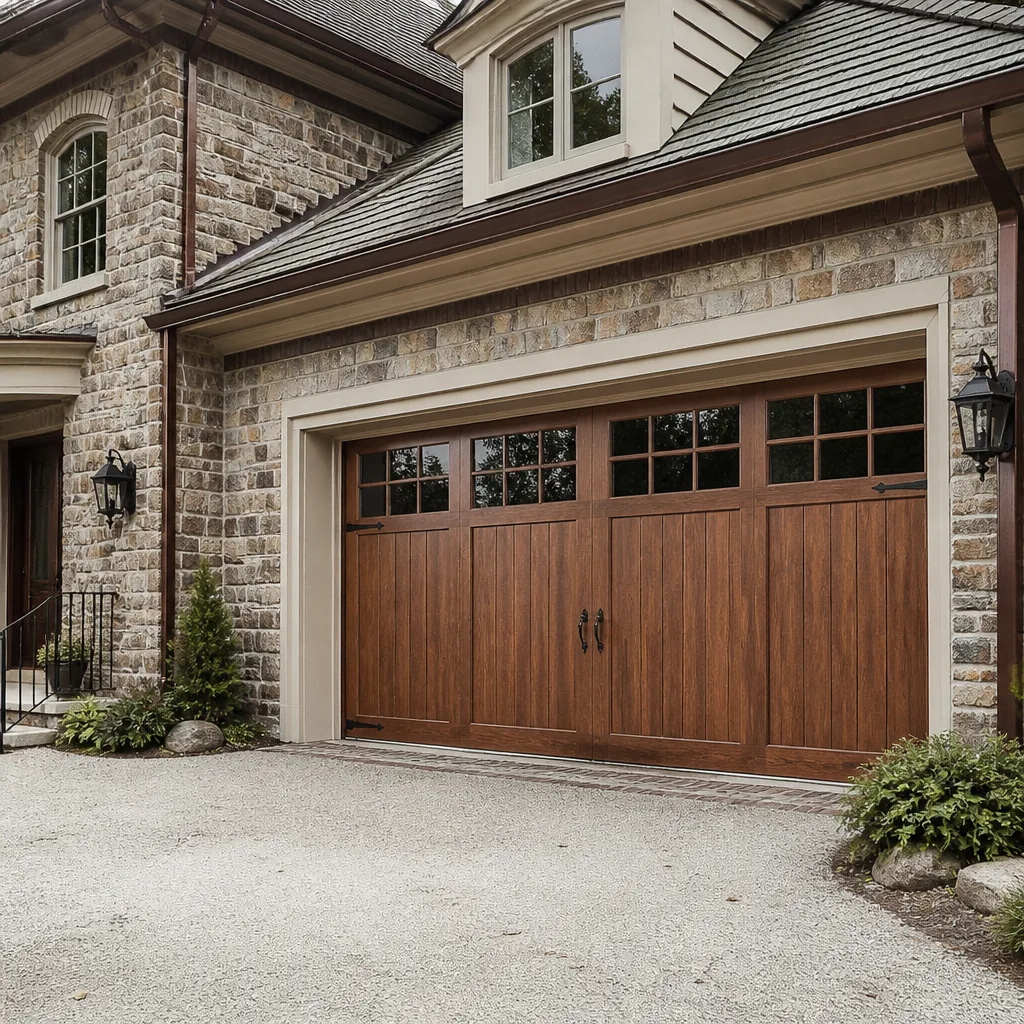 Carriage house
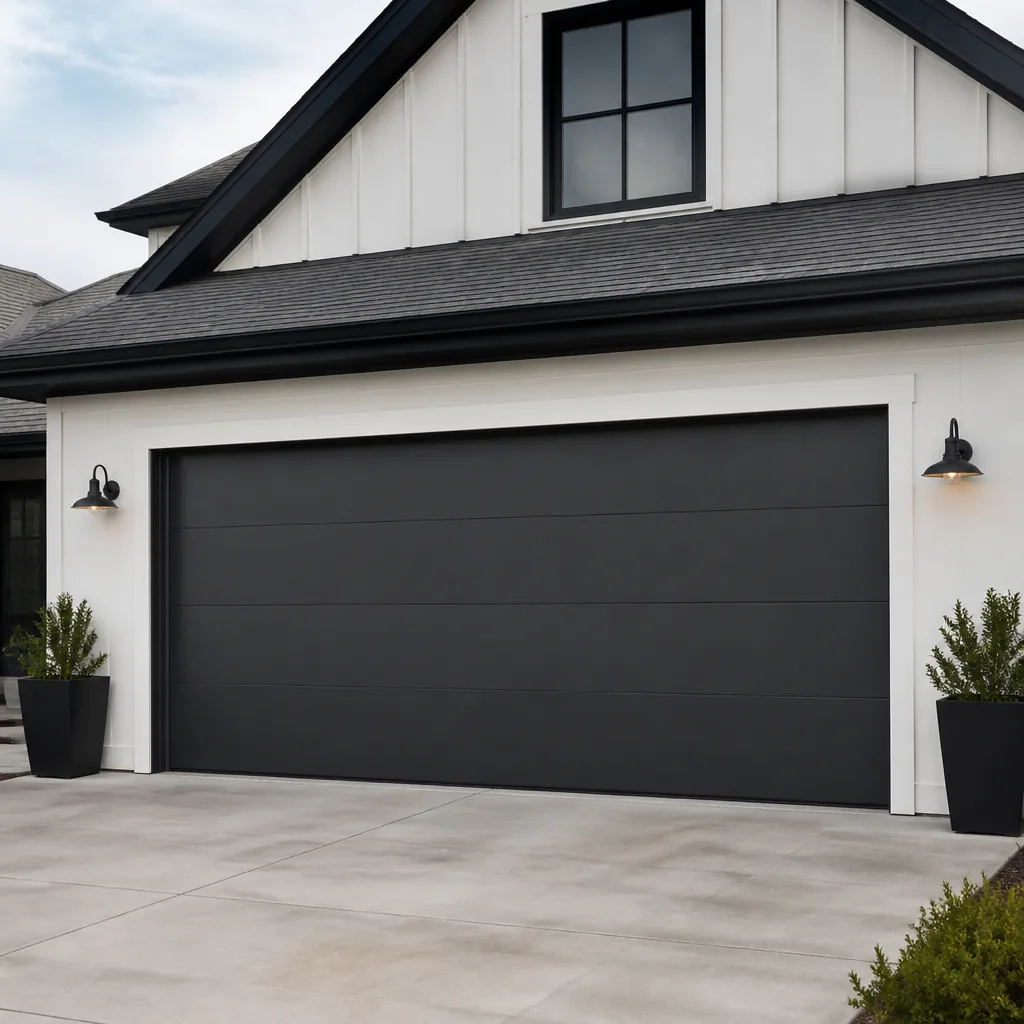 Modern flush
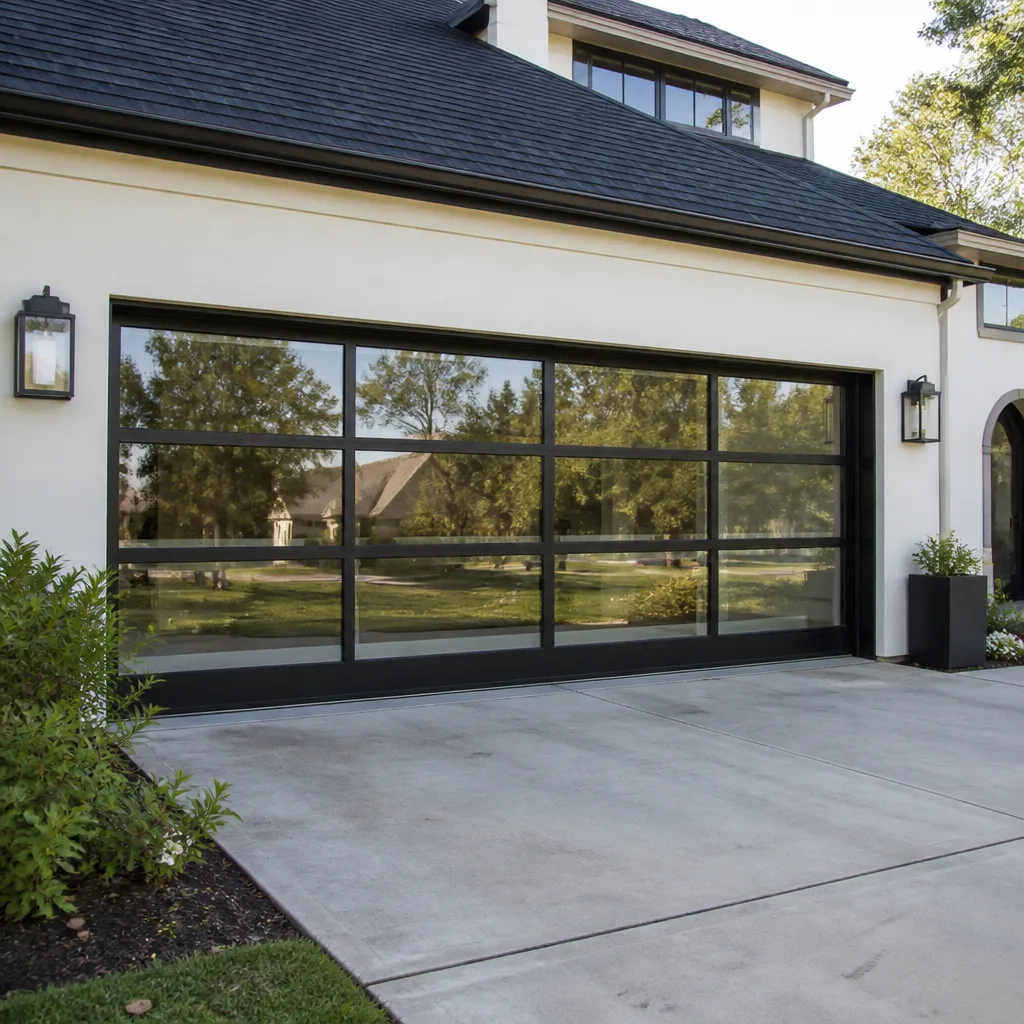 Full-view glass
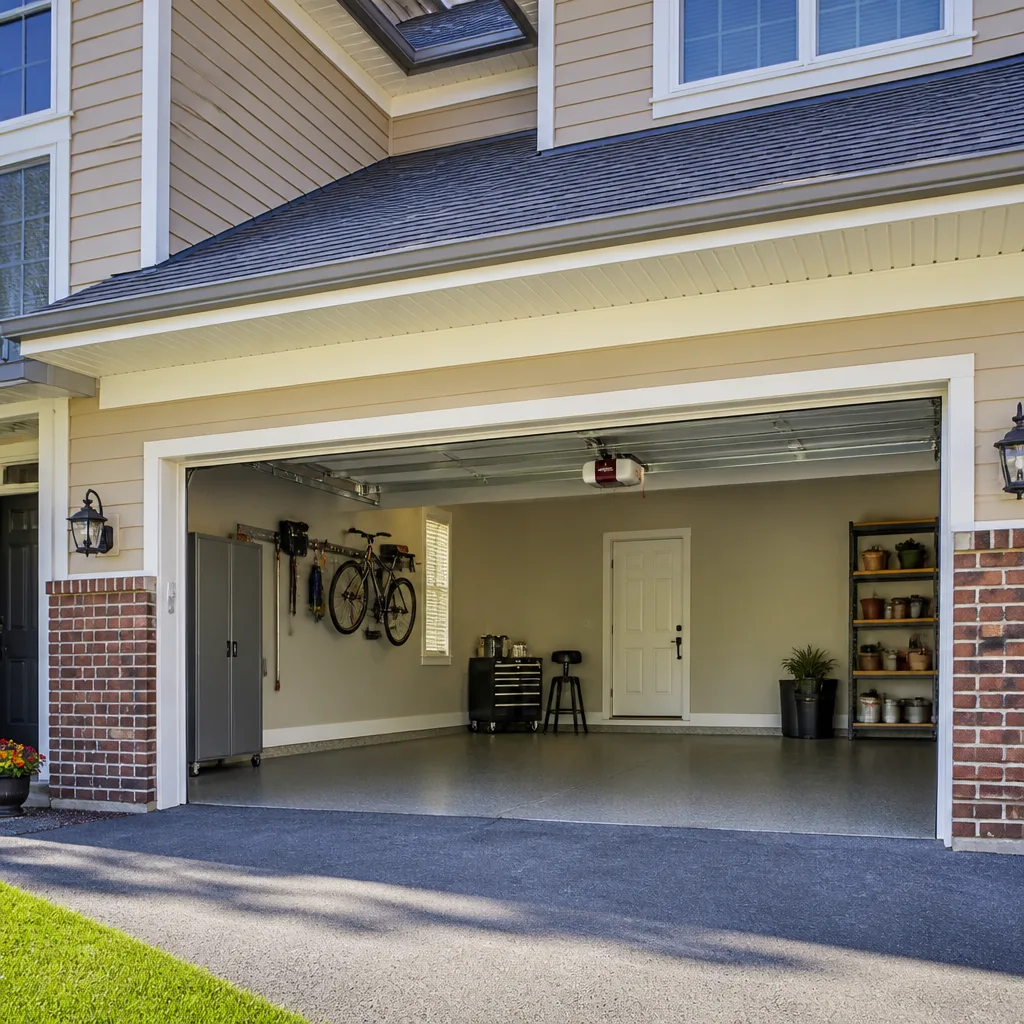 LiftMaster openers
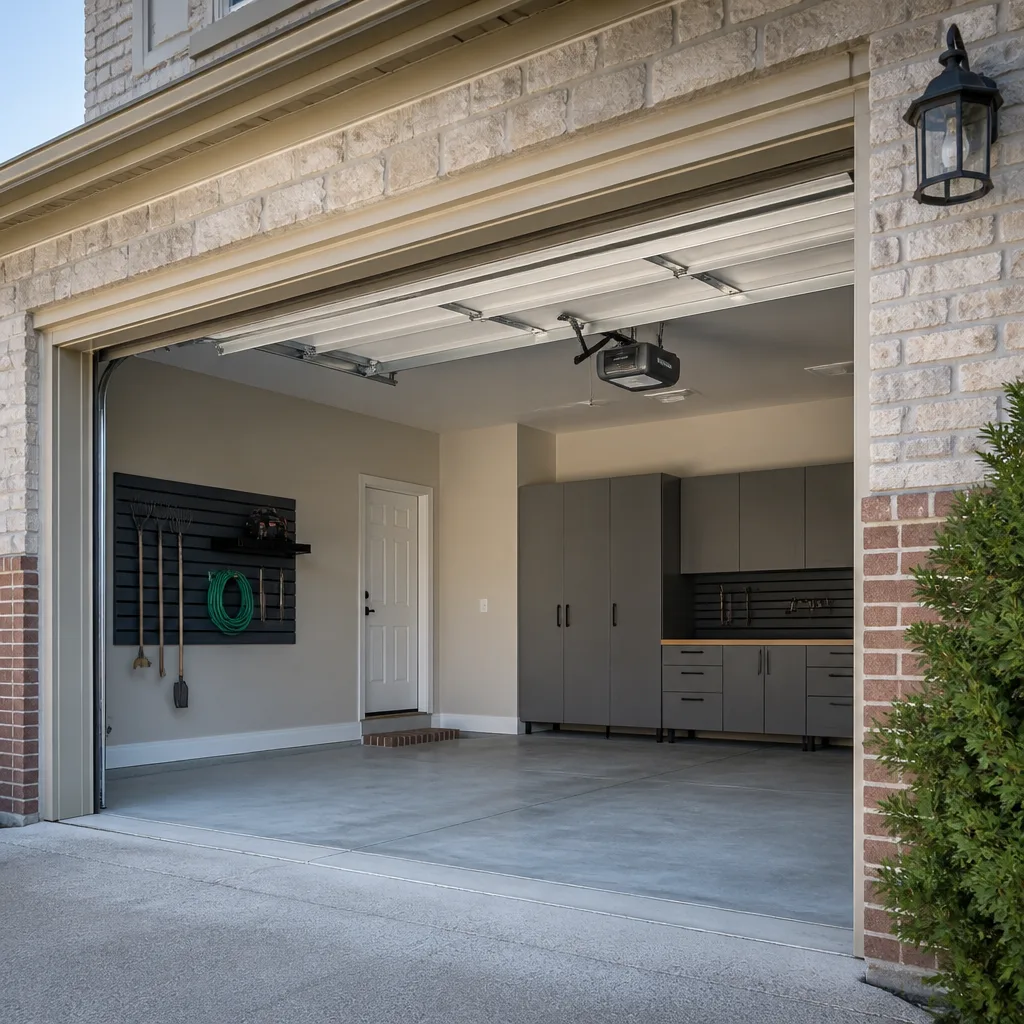 Chamberlain openers
Full 25-point door and opener safety check with every visit - springs, cables, rollers, tracks, and your LiftMaster or Chamberlain opener included
You get a price before we start. It does not change when the pro arrives.
Get your free estimateGarage Door Repair Maintenance Checklist for Williamsburg Homeowners
The number one reason Williamsburg homeowners get hit with an emergency repair bill isn’t neglect. It’s doing the wrong checklist items. Plenty of people lubricate a chain once a year and call it maintenance, then get blindsided by a snapped spring in February. What actually breaks garage doors in Williamsburg isn’t random either. The specific mix of river-proximity moisture, constant vibration from nearby transit, and the slow settling of older buildings here creates failure patterns you won’t find on a generic national checklist. This guide is built around what actually wears out in this neighborhood, laid out month by month, with a clear line between what you can safely check yourself and what needs a technician.
Quick Answer
A useful garage door maintenance checklist for Williamsburg has to do three things: it has to protect the springs and hardware from the moisture that hangs over the East River waterfront, it has to account for vibration loosening fasteners in buildings near the BQE and the L train, and it has to catch alignment drift in older structures that are still settling. Do a visual and balance check every month, lubricate moving parts every season, and have springs and cables inspected by a trained professional once a year. Everything else is detail.
Styles & brands we work with
- Raised-panel steel
- Carriage house
- Modern flush
- Full-view glass
- LiftMaster openers
- Chamberlain openers
Table of Contents
- Why a generic checklist fails in Williamsburg
- The month-by-month Williamsburg maintenance calendar
- Waterfront moisture and what it does to springs and hardware
- Vibration from the BQE and L train: what loosens and how often to check
- Building settling and alignment drift in older Williamsburg structures
- DIY-safe checks vs. jobs that only look simple
- Brand notes: LiftMaster, Chamberlain, Genie and Clopay systems
- Common mistakes to avoid
- When to call a professional
Why a Generic Checklist Fails in Williamsburg
Most maintenance checklists floating around online were written for a suburban house on a slab, in a climate with one big seasonal swing and no subway running under the street. Williamsburg is a different set of stressors stacked on each other. A door that’s two blocks from the waterfront sits in more airborne moisture than one up on a higher, drier block. A door on a building close to the BQE or an elevated train line takes a small, constant vibration that works screws loose over months. And a door on an older brick building that has been settling slowly for decades develops alignment problems that show up long before anything actually snaps.
When we look at a door in Williamsburg, these three factors explain a large share of what we find. Springs that look newer than they should be but are already showing surface rust. Track brackets that have backed out a few turns and let the door ride crooked. Rollers worn flat on one side because the door has been binding against a frame that shifted by a fraction of an inch years ago.
Your garage door is your home’s largest moving part. It cycles open and shut more than any other mechanism in the house, and it holds hundreds of pounds of tension every second it’s closed. That’s why the checklist below is specific. It’s also why some items on it are genuinely not safe to handle yourself. Here’s what a maintenance routine built for Williamsburg actually looks like.
The Month-by-Month Williamsburg Maintenance Calendar
NYC seasons hit a garage door unevenly, and a flat annual list misses that. The freeze-thaw cycle of a New York winter stresses metal differently than the humid stretch of late summer. Here’s how we’d pace the checks across a year in Williamsburg.
January and February
- After any hard freeze, open and close the door once and listen. Cold makes lubricant stiff and metal brittle, and this is when a weakened spring tends to let go.
- Clear snow and ice from the bottom seal and the threshold so the door isn’t forcing against a frozen base.
- Check that the door closes fully and the safety reverse still trips.
March and April
- Spring thaw is the moment to look for rust bloom on springs, hinges and track. Moisture that collected all winter shows up now.
- Wipe down and re-lubricate hinges, rollers and the torsion hardware with a proper garage door lubricant, not WD-40.
- Check track brackets and lag screws for looseness after a winter of thermal movement.
May and June
- Test the door balance by hand with the opener disconnected. A balanced door stays put halfway open.
- Inspect the bottom seal and side weatherstripping for cracks before the humid season sets in.
- Look at the opener’s force and travel settings if the door has started to reverse on its own.
July and August
- This is peak humidity. Watch the springs and any bare metal for the start of corrosion, especially near the waterfront.
- Check that the opener’s safety sensors are clean and aligned; summer dust and pollen on the lenses cause phantom reverses.
- Listen for new rattles, which point to loosened fasteners from vibration or seasonal expansion.
September and October
- Do a full fastener check before the heating season: every hinge screw, track bracket and roller carrier.
- Re-lubricate after summer dust has worked into the moving parts.
- Test the manual release so you know it works before you need it in a power outage.
November and December
- Schedule a professional inspection of springs, cables and drums before winter. If a spring is near the end of its life, you want to know now, not at 7am on a freezing morning.
- Check the door’s weather seal against drafts and moisture as temperatures drop.
- Confirm the opener’s battery backup, if it has one, is charged.
That’s the calendar. The three sections below explain why the Williamsburg-specific items are on it and what to actually look for.
Waterfront Moisture and What It Does to Springs and Hardware
If your garage door faces or sits within a few blocks of the East River, moisture is the single biggest factor in how fast your hardware ages. It’s not dramatic; it’s steady. Air carrying water vapor rolls in off the river and settles on every cool metal surface it touches. On a spring, that means a thin film that feeds corrosion cycle after cycle. On hinges, rollers and track, it’s the same story, slowly.
This matters most for the torsion springs, because they’re under load and hidden up above the door where you’re least likely to look. A spring that would give you many years of service in a drier spot can show surface rust far sooner in a damp, river-adjacent building. Rust on a spring isn’t cosmetic. It’s a stress riser, a place where the metal can fail. That’s why the waterfront check isn’t “grab a sponge and clean the door.” It’s “know what to look at and let a technician handle the rest.”
What to inspect specifically, from a safe distance and without touching anything under tension:
- Springs: Look up at the torsion spring (or springs) above the door. Any orange or brown pitting on the coils is worth a professional inspection.
- Hinges and rollers: Check for rust bloom at the pivot points and along roller stems. Surface rust here can usually be addressed with cleaning and proper lubrication.
- Track: Look for rust along the inside of the vertical and horizontal track where rollers ride. Pitting there wears rollers fast.
- Bottom seal and weatherstripping: Moisture rots these from the inside out. Cracked or stiff seals let damp air into the space behind them.
Springs and cables are under extreme tension. Never attempt to loosen, adjust or replace them yourself. That’s a job for a trained technician with the right winding bars and the experience to know what a weakening spring looks like. If you’re seeing rust on your springs, a garage door repair visit is the safe way to find out whether they need replacing.
Vibration from the BQE and L Train: What Loosens and How Often to Check
A house near a highway or an elevated train line lives with a low, near-constant vibration. It’s easy to stop noticing as a resident, but the garage door never adapts. It’s a hanging assembly of hundreds of fasteners and moving joints, and every train that passes works on it a little. Over months, screws back out. Brackets shift a fraction of an inch. Rollers migrate in their carriers.
What loosens first, in our experience, are the fasteners holding the track brackets to the wall and the hinge screws along the door panels. A track that’s a few degrees out of plumb won’t stop the door at first. It’ll just make it rub, and that rubbing wears the rollers and strains the opener. That’s the failure pattern vibration creates: slow, quiet, then suddenly the door binds or reverses halfway.
How often to check in a vibration-heavy spot like a Williamsburg block near the BQE or the L:
- Every month: With the door closed and the opener off, look down the vertical tracks from the side. They should be parallel and plumb. Any visible bow is worth flagging.
- Every season: Check the lag screws and bolts holding the track brackets to the header and walls. A screw that turns easily by hand is too loose.
- Twice a year: Run a finger along the hinge plates. Feel for any movement where the plate meets the panel. Rocking hinges mean the screws need tightening or the plate is fatiguing.
- Anytime the door starts to sound different: New rattles, clunks or grinding after a stretch of quiet mean something shifted. Don’t wait for the next scheduled check.
Here’s where a homeowner should stop. Tightening a hinge screw with a screwdriver is fine. Re-aligning a track, adjusting a torsion cable or shifting a bracket that holds hundreds of pounds of door is not. A track that’s been knocked out of plumb needs a technician to set it right, not a hammer and a guess.
Building Settling in Older Williamsburg Structures and Alignment Drift
Lots of Williamsburg buildings are old, and old buildings keep settling. Slowly, unevenly, sometimes by a fraction of an inch over years. Interior floors slope a little. Doorframes drift out of square. A garage door opening isn’t exempt. As the walls and header shift, the door that used to fit cleanly starts to sit a little wrong.
The thing about alignment drift is that it doesn’t announce itself. You notice it as symptoms:
- The door closes but leaves a wider gap on one side at the bottom.
- One side of the door seems to move ahead of the other, so the door looks crooked mid-travel.
- The opener has to work harder on the second half of the close, and the light dims or the motor labors.
- Rollers wear on one side of the track and not the other.
- The door rubs or squeals against the frame at a specific spot every cycle.
Each of those symptoms can come from a settling building or a damaged track or a failing spring, and it takes someone familiar with Williamsburg buildings to tell them apart. Treat alignment drift as an inspection trigger, not something to adjust with the opener’s travel limits alone. Cranking up the force setting to push through the bind masks the problem and shortens the life of your opener. If the door has started to bind, we’d rather see it early than after the opener motor gives out. That’s when garage door opener repair becomes necessary, and it’s cheaper than the alternative if the bind has been running for months.
DIY-Safe Checks vs. Jobs That Only Look Simple
Not all maintenance is created equal. Some of the items on any checklist are safe for any careful homeowner. Others look just as simple but involve parts under extreme tension, and a wrong move can cause serious injury. Here’s the honest split.
Genuinely DIY-safe
- Lubricating hinges, rollers and the torsion spring: Use a proper garage door lubricant and follow the manufacturer’s guidance. This is one of the highest-value DIY tasks on the list.
- Visual inspection: Look. Listen. Note anything that looks rusty, crooked, loose or worn, and don’t touch it if it’s under tension.
- Cleaning tracks: Wipe out dust and debris inside the vertical and horizontal tracks with a damp cloth, with the door fully open and the opener off.
- Testing the safety reverse: With the door closing, place a small object in its path and confirm it reverses. Do this every month.
- Tightening loose hinge screws and track bracket bolts: Only if you’re certain you’re not adjusting the track’s position, only tightening what’s there.
- Replacing weatherstripping and bottom seals: These are rubber components, not tension-loaded parts, and are safe to swap.
- Checking the opener’s manual release: Pull the release and confirm the door slides freely by hand.
Looks simple, requires a technician
- Spring replacement or adjustment: Torsion and extension springs are under extreme tension. This is the single most dangerous part of any garage door. No DIY.
- Cable repair: Cables hold their own dangerous tension and snap catastrophically if mishandled. No DIY.
- Track realignment: Moving a track means releasing a door held in place by tracks and rollers. That’s a two-person, professional job.
- Opener force and travel limit adjustment: Tuning these incorrectly can defeat the safety reverse and be genuinely dangerous for anyone under the door. Have a technician set them.
- Panel replacement: Panels carry spring tension through hinges. Replacing one is not as simple as unscrewing the old and screwing on the new.
- Drum and bearing plate work: Anything at the top of the door where the cables terminate is professional territory.
Our rule of thumb: if the part is under load, under tension or holds the door up, don’t touch it. If it’s dust, dirt, rubber or a screw that’s already in its hole, you’re probably fine. When you need a full inspection of the load-bearing parts, or a garage door spring repair assessment, call and we’ll tell you exactly what we see.
Brand Notes: LiftMaster, Chamberlain, Genie and Clopay Systems
A maintenance checklist is easier to follow if you know what system you’re looking at. Williamsburg homes tend to have a mix, and the hardware shares some checks but not all. We’re factory-familiar with the brands we service, which means we diagnose faster and order the right parts the first time.
- LiftMaster openers are common on newer installations. Belt-drive models are quiet, and many have smart features that matter for diagnostics. When the door starts to sound labored, check the opener’s own force settings and the battery in the remote and wall unit before assuming the door itself is the problem.
- Chamberlain shares a lot of design language with LiftMaster; many of the same maintenance checks apply. The safety sensor lenses on these are worth wiping monthly, since a dusty lens looks identical to a failing opener.
- Genie units sometimes use screw-drive mechanisms, and those need a different lubrication schedule than belt or chain drives. If your door has gotten noisier and your opener is a Genie screw drive, we’d check it before winter.
- Clopay doors are common across residential builds, and their panel construction is straightforward to inspect. Hinge plates and panel seams are where you’d notice vibration fatigue first.
Whichever brand you have, the checklist doesn’t change much. What changes is knowing which parts are likely to fail first and which parts to have on hand. If you’re not sure what you’re looking at, the fastest answer is a call. Your garage door installation history, if the door is newer, can also tell a technician what to expect.
Common Mistakes to Avoid
- Using WD-40 as a lubricant. It’s a cleaner and moisture displacer, not a garage door lubricant. It strips existing lubricant and attracts dust, which accelerates wear on rollers and hinges. Use a proper garage door lubricant, especially given the moisture in Williamsburg.
- Cranking up the opener’s force setting to fix a bind. If the door is binding, the force setting is a symptom suppressor, not a repair. Pushing through a bind shortens the opener’s motor life and defeats part of the safety design. Find the real cause.
- Ignoring rust on torsion springs. A little surface rust may not look like anything, but on a tensioned spring it’s a warning. Get it looked at before it fails, not after.
- Skipping the monthly safety reverse test. Once a month, put an object in the door’s path during a close and confirm it reverses. It’s the single most important safety check on the list, and the most skipped.
- Assuming the vibration isn’t real. If your Williamsburg building sits near the BQE or the L train, vibration fatigue is a real risk. Not checking fasteners because the door “sounds fine” means the first warning is a rolled track or a stuck door.
- Adjusting the track by hand. A track knocked out of plumb needs a technician. A homeowner with a rubber mallet usually makes a small alignment problem into a big one, and then a call to a pro is unavoidable anyway.
- Treating the door like a set-it-and-forget-it fixture. Doors on river-adjacent or vibration-heavy Williamsburg blocks need a bit more attention than a suburban door does. Skipping spring and hardware inspections because the door “still opens fine” doesn’t prevent the failure, it just moves the bill.
When to Call a Professional
Most of what’s on this checklist is safe for a careful homeowner to handle. But some situations call for a technician, and some call for one right now. If you see rust pitting on a torsion spring, a door that binds or reverses on its own, a track that’s visibly out of plumb, or anything that snaps or drops suddenly, stop and call. If the door won’t open or close cleanly, that’s an emergency. If your building is settling and the door has started to scrape or rub, that’s a diagnostic call, not a DIY adjustment. If the opener is laboring, that’s often an opener issue as much as a door issue.
Williamsburg Garage Door Repair Pros offers free estimates in Williamsburg. Call (855) 914-9583. We work on the brand you already have, from LiftMaster to Clopay, so we can diagnose faster and order the right parts the first time. Our technicians have up to 12 years of experience, and we lead with repair, not replacement.
If you’re not sure whether you’re looking at a five-minute check or a call-out, just describe it and we’ll tell you. Emergency service exists for a reason, and it’s not an upsell here. It’s what we’re built for.
See the difference
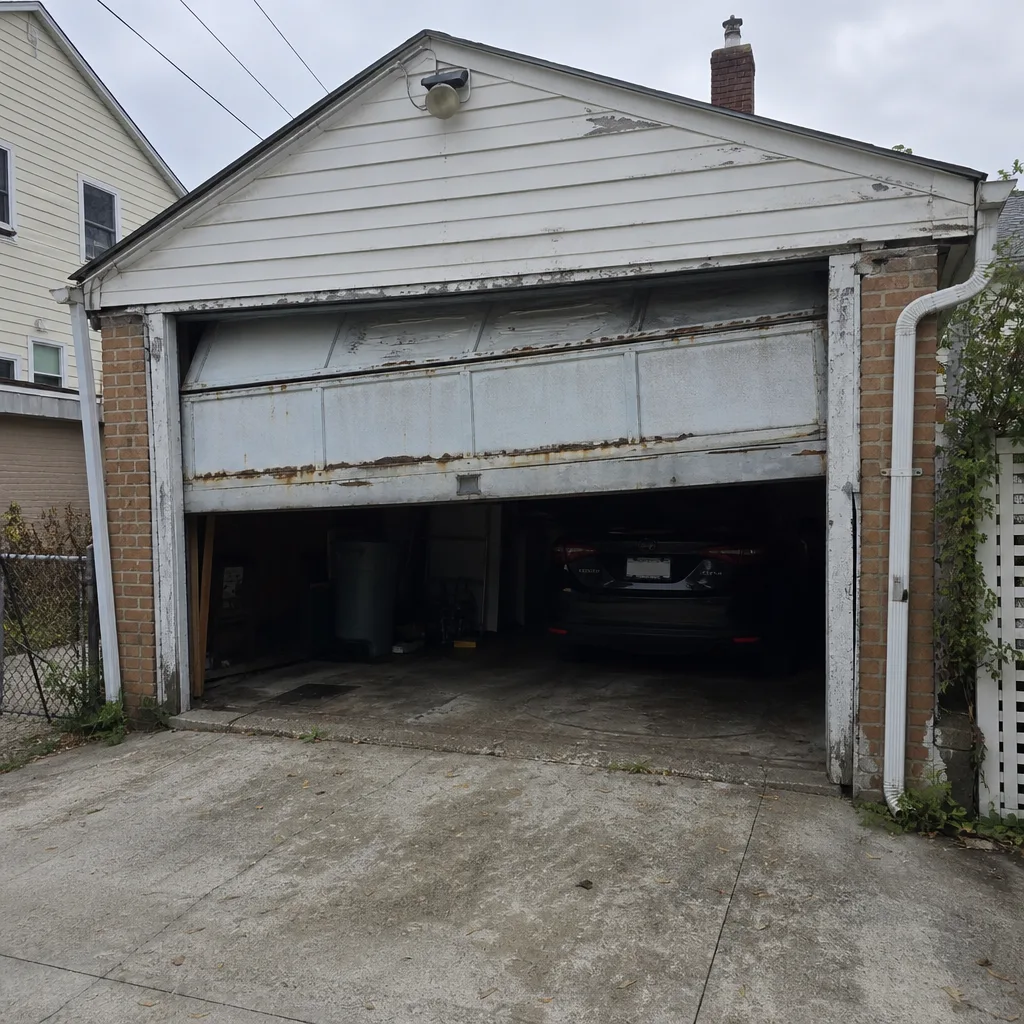 Before
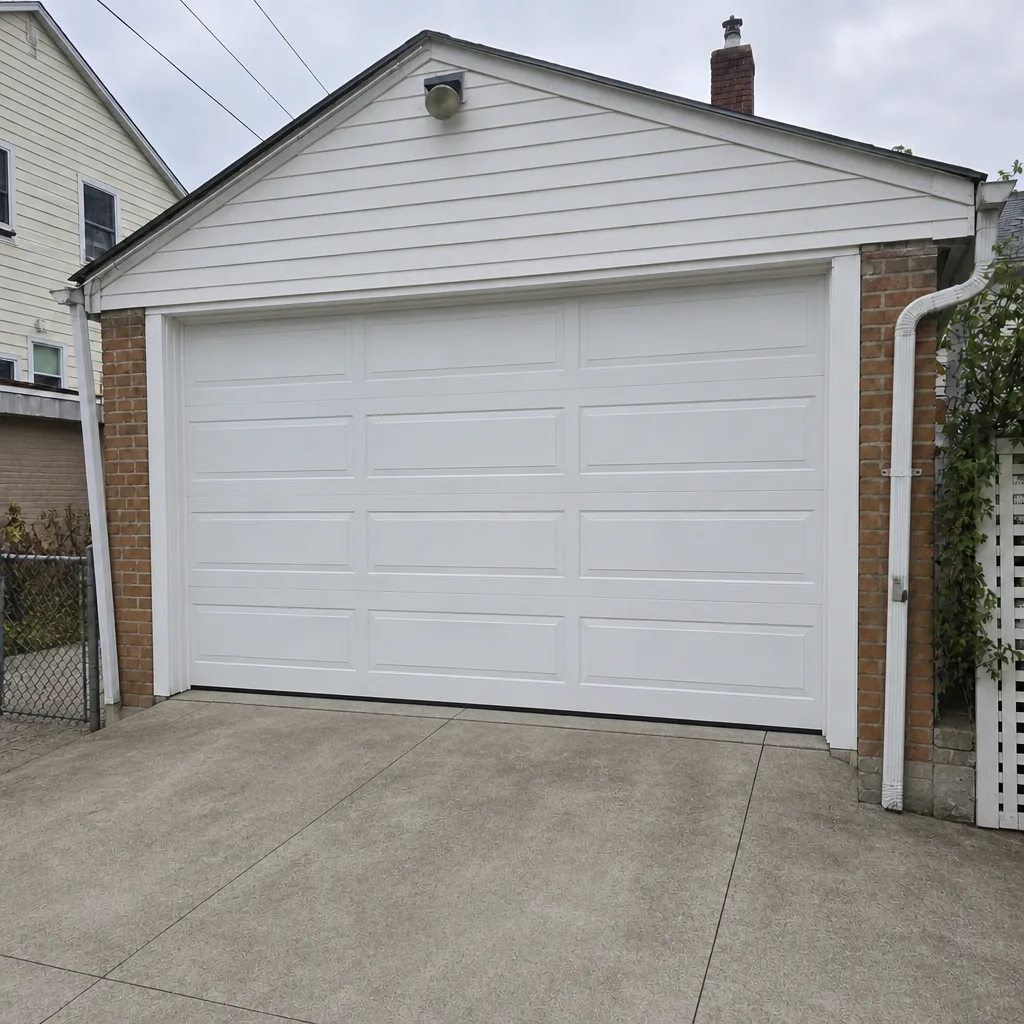 After
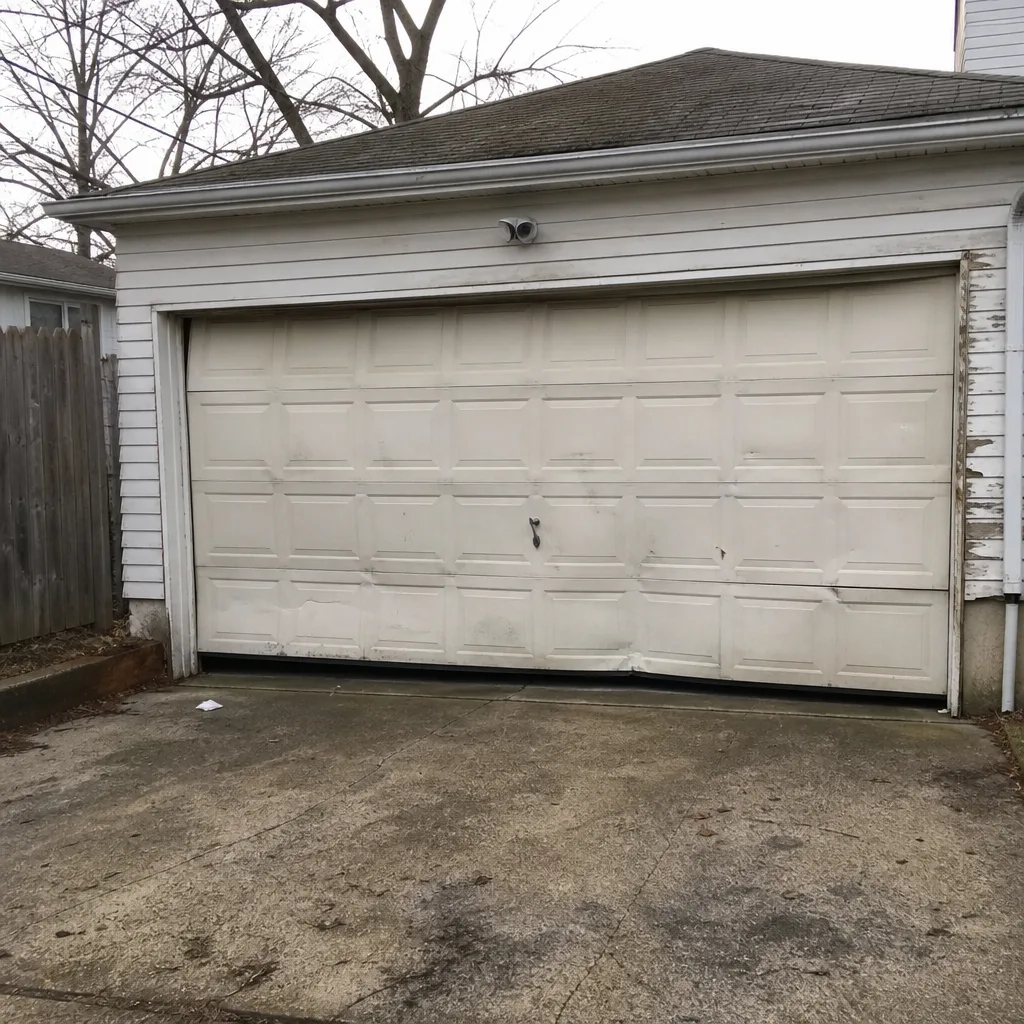 Before
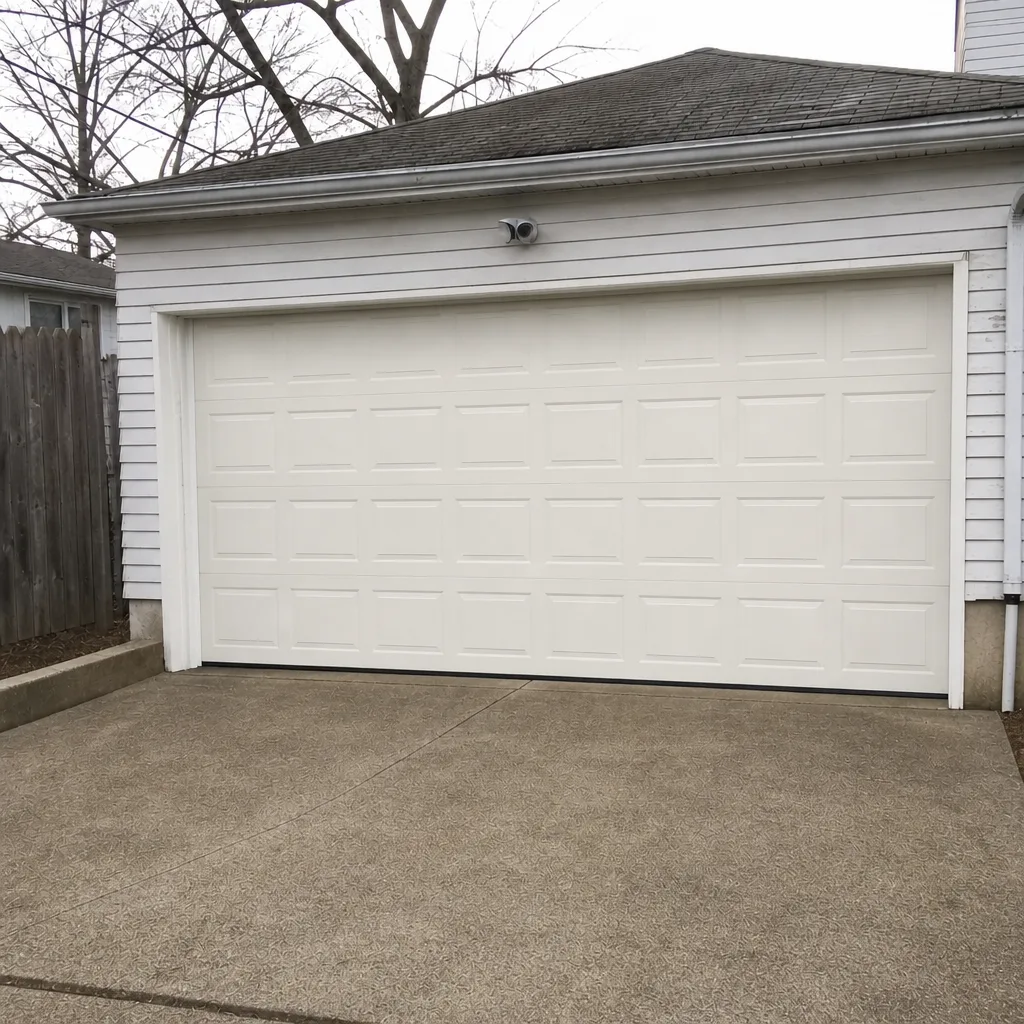 After
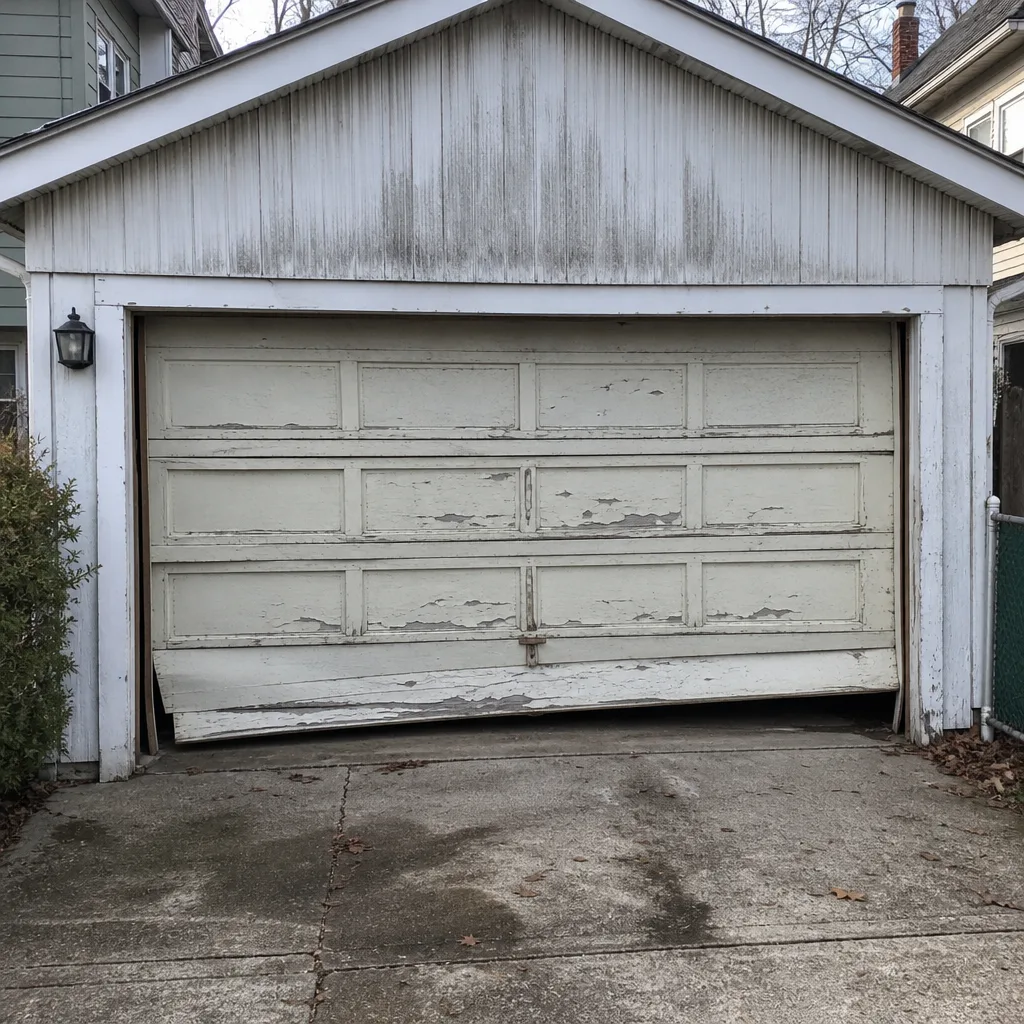 Before
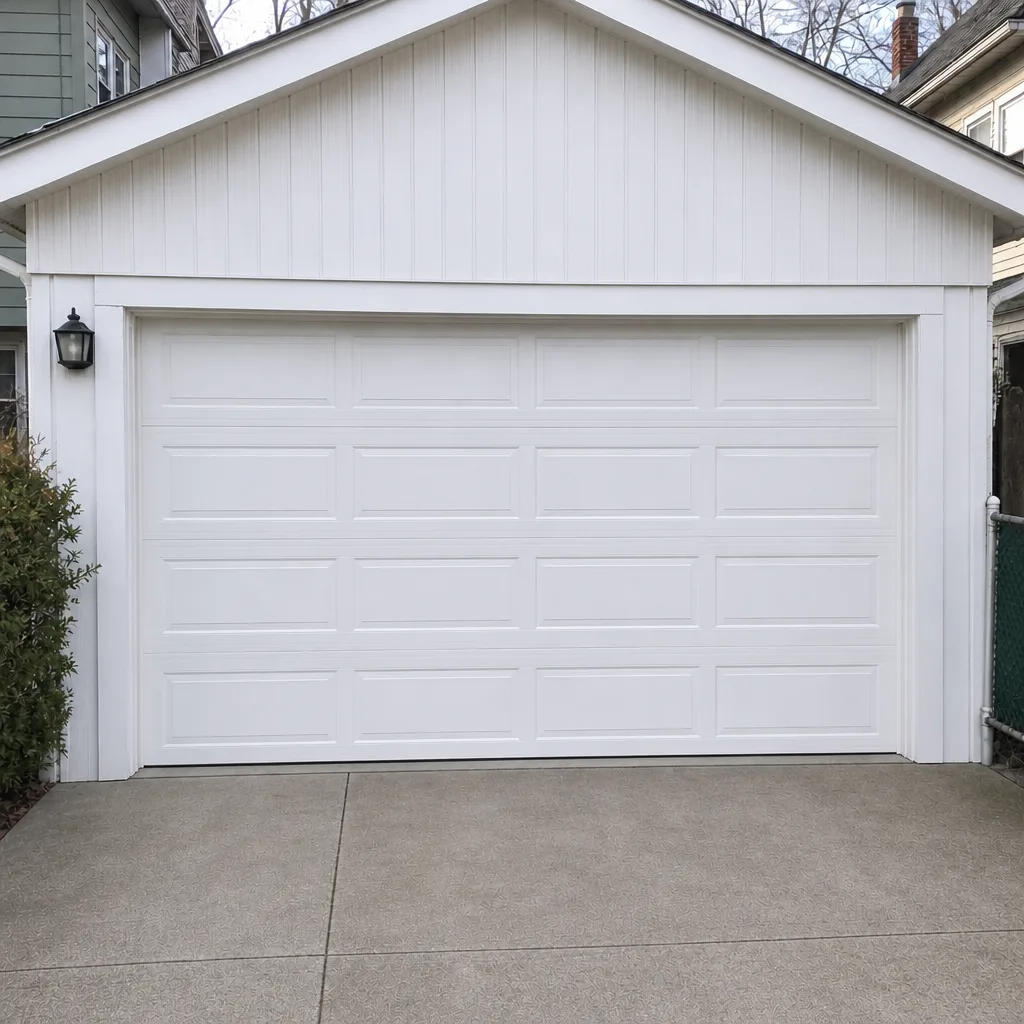 After
Frequently Asked Questions
Follow the monthly, seasonal and annual rhythm above. For most Williamsburg homeowners, that means a visual and safety check every month, lubrication every season, and a professional inspection of springs, cables and alignment once a year. If you live near the waterfront or a vibration-heavy spot like the BQE or the L, keep to the tighter end of that schedule. When you’re not sure what you’re looking at, call (855) 914-9583 and we’ll talk it through.
Yes. Lubricating the torsion spring with a proper garage door lubricant is one of the safe DIY tasks on the list. The spring is at rest when the door is closed, and applying lubricant to its surface is fine. That’s different from adjusting or replacing it, which is under extreme tension and must never be done by a homeowner. If the spring looks rusty or pitted, skip the lubricant and have it inspected.
A crooked door usually points to alignment drift: either the tracks have shifted, one side is binding, the building has settled unevenly, or one spring has weakened. Vibration from nearby transit can also knock a bracket loose. Don’t adjust the opener’s force setting or bend the track to compensate. Call (855) 914-9583 for an inspection; a pro can tell you which of those causes it is.
Yes, once a year. Springs, cables and track alignment fail quietly before they fail visibly. The symptoms that seem like “fine” often include a slight bind, a small gap, or a track a couple of degrees out of plumb. On a river-adjacent or older, settling Williamsburg building, an annual inspection catches those before they become an emergency. Call (855) 914-9583 to book one.
Three local factors stand out. Moisture from river proximity accelerates corrosion on springs and hardware. Vibration from nearby transit works fasteners loose. And older, settling buildings push doors out of alignment slowly, which wears tracks and openers. Looking back, those three account for a large share of the maintenance issues we see on Williamsburg doors. Call (855) 914-9583 if you’re seeing signs of any of them.
No. Torsion and extension springs are under extreme tension and can cause serious injury if mishandled. The right tools and the right experience aren’t optional. If a spring is broken, rusty or making the door unbalanced, call (855) 914-9583. Our technicians have up to 12 years of experience, and spring repair is a named specialty here, not something we hand off.
The Bottom Line
A garage door maintenance checklist for Williamsburg has to be built for this neighborhood, not borrowed from a generic page. The moisture that hangs over the East River waterfront accelerates corrosion on springs and hardware. Vibration from the BQE and the L train works screws and brackets loose. Older buildings settle and push doors out of alignment before anything visibly snaps. Do the monthly visual and safety checks, lubricate every season, have the load-bearing parts inspected once a year, and leave the springs, cables and track adjustments to a technician. That’s the whole game: know what you’re looking at, handle the safe tasks yourself, and call the moment the door tells you something’s wrong.
Contact
If something on this list doesn’t look right, or you’d rather have a knowledgeable set of eyes on your door before it becomes a problem, call Williamsburg Garage Door Repair Pros at (855) 914-9583 for a free estimate. We work on the brand you already have, from repair to installation, and we lead with repair first, replace only when necessary. We’re Williamsburg Garage Door Repair Pros, and this is what we do.
Written by the team at Williamsburg Garage Door Repair Pros.