Last updated November 21, 2026
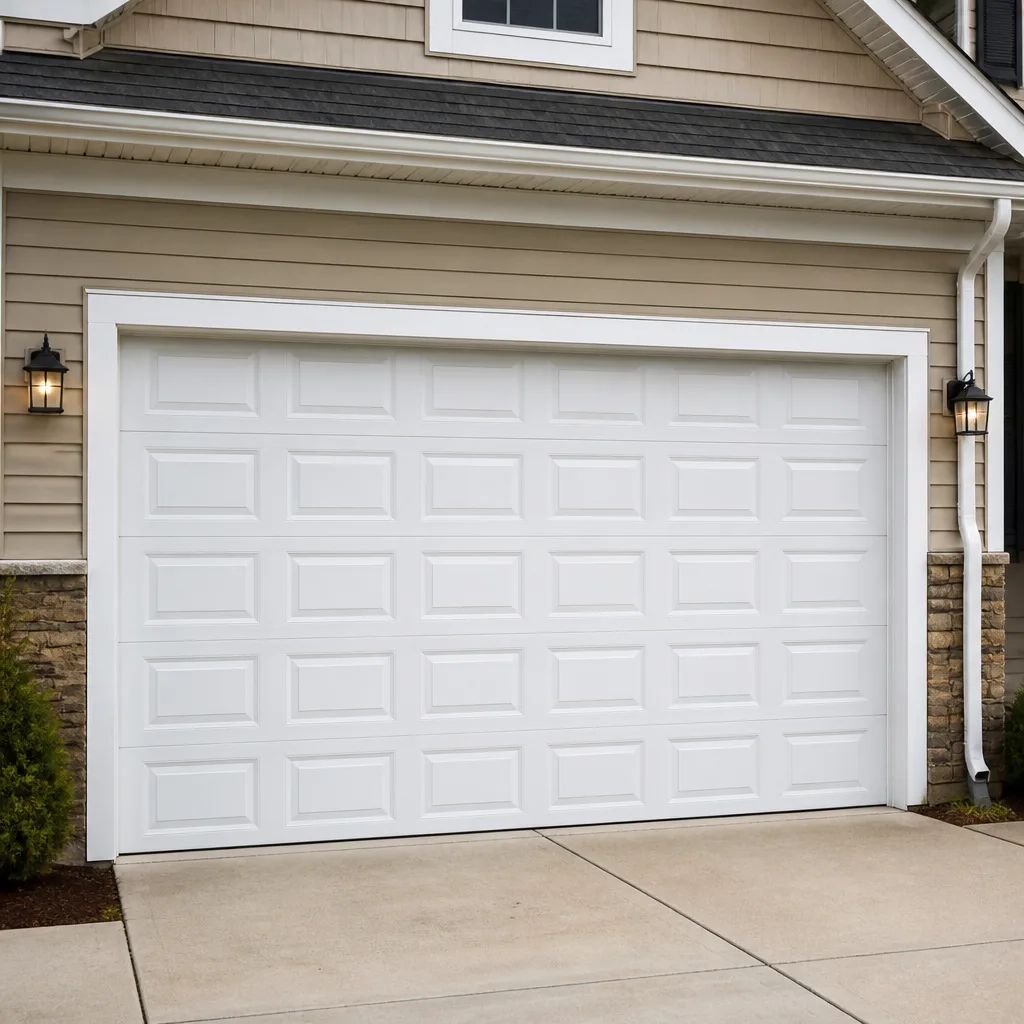 Raised-panel steel
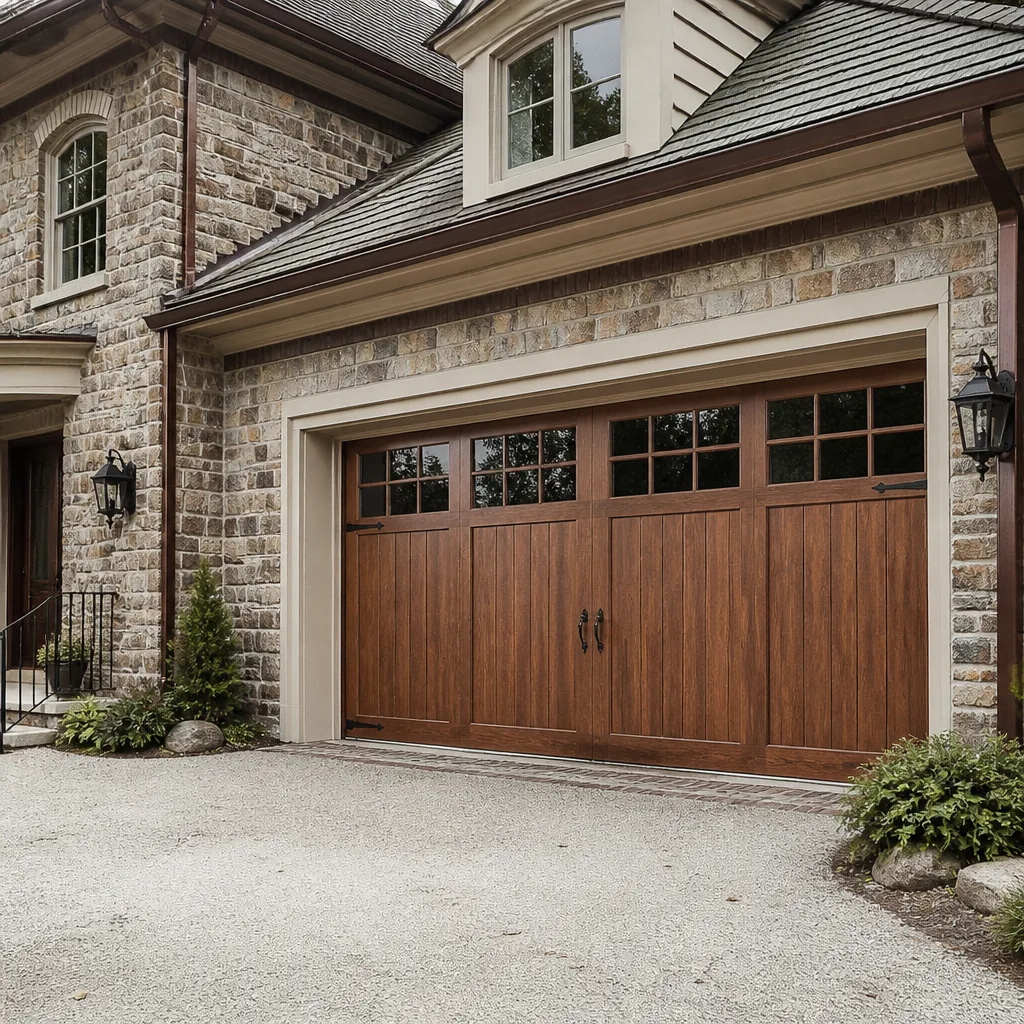 Carriage house
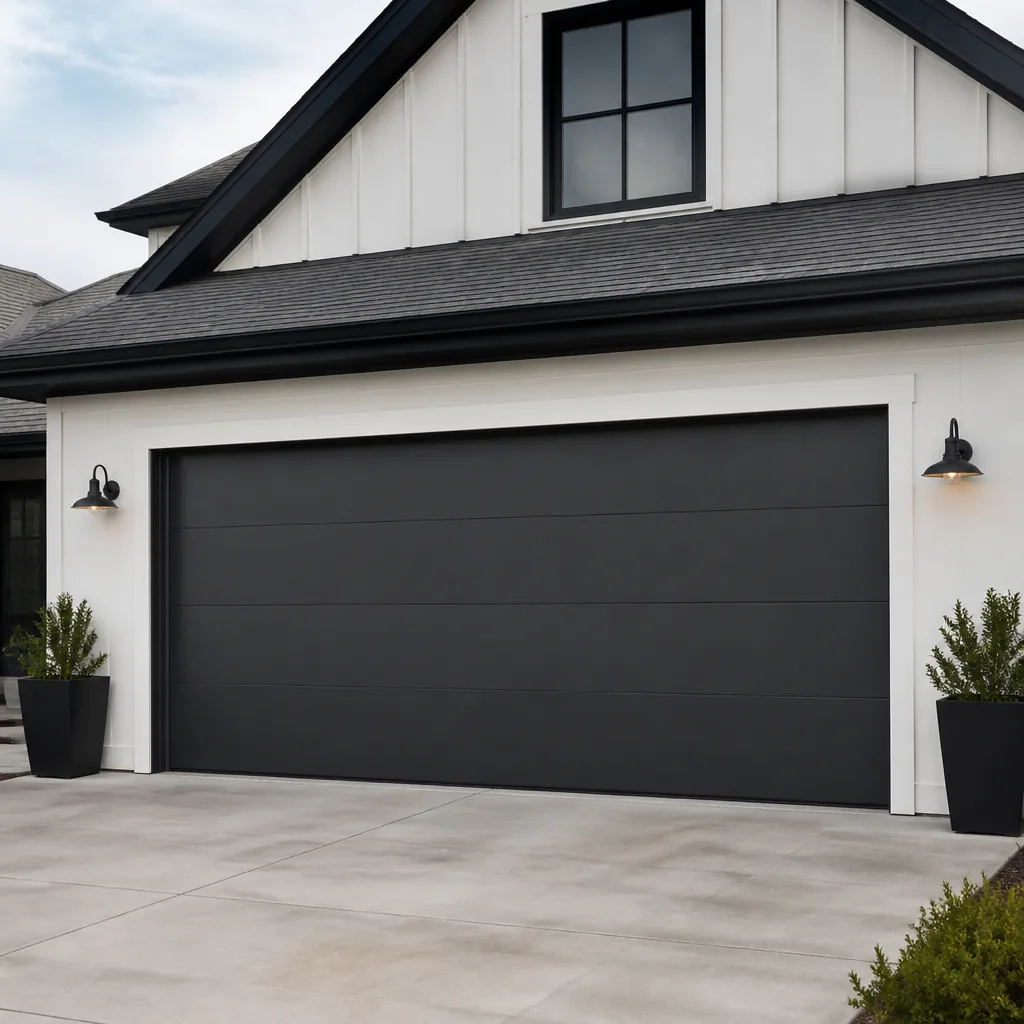 Modern flush
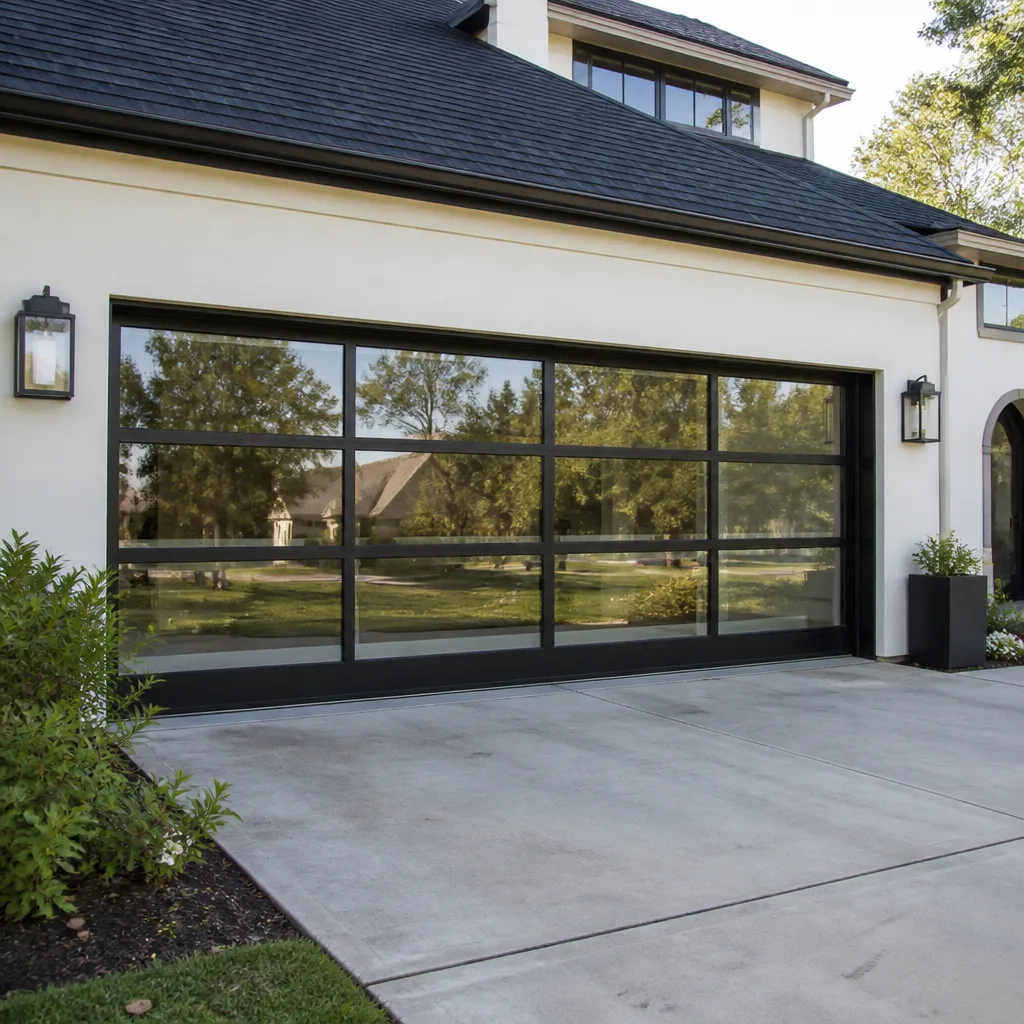 Full-view glass
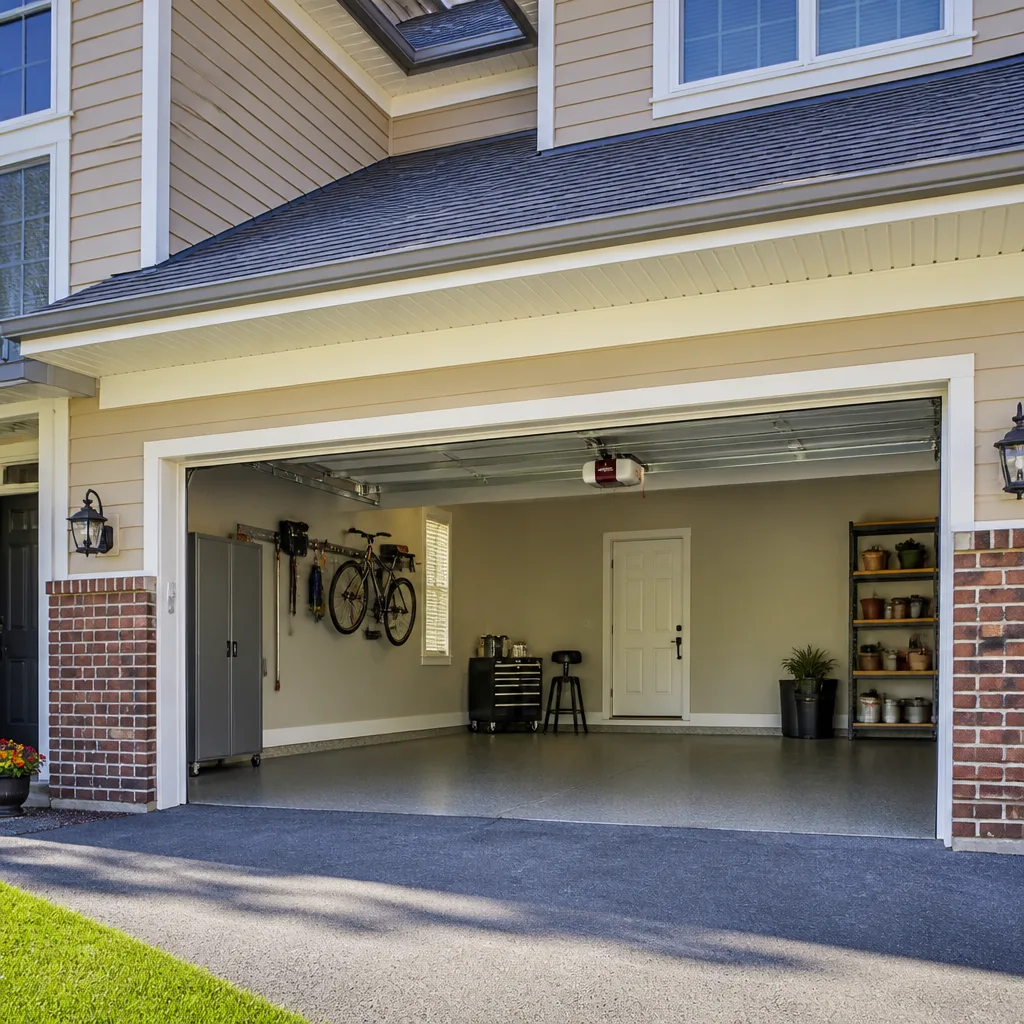 LiftMaster openers
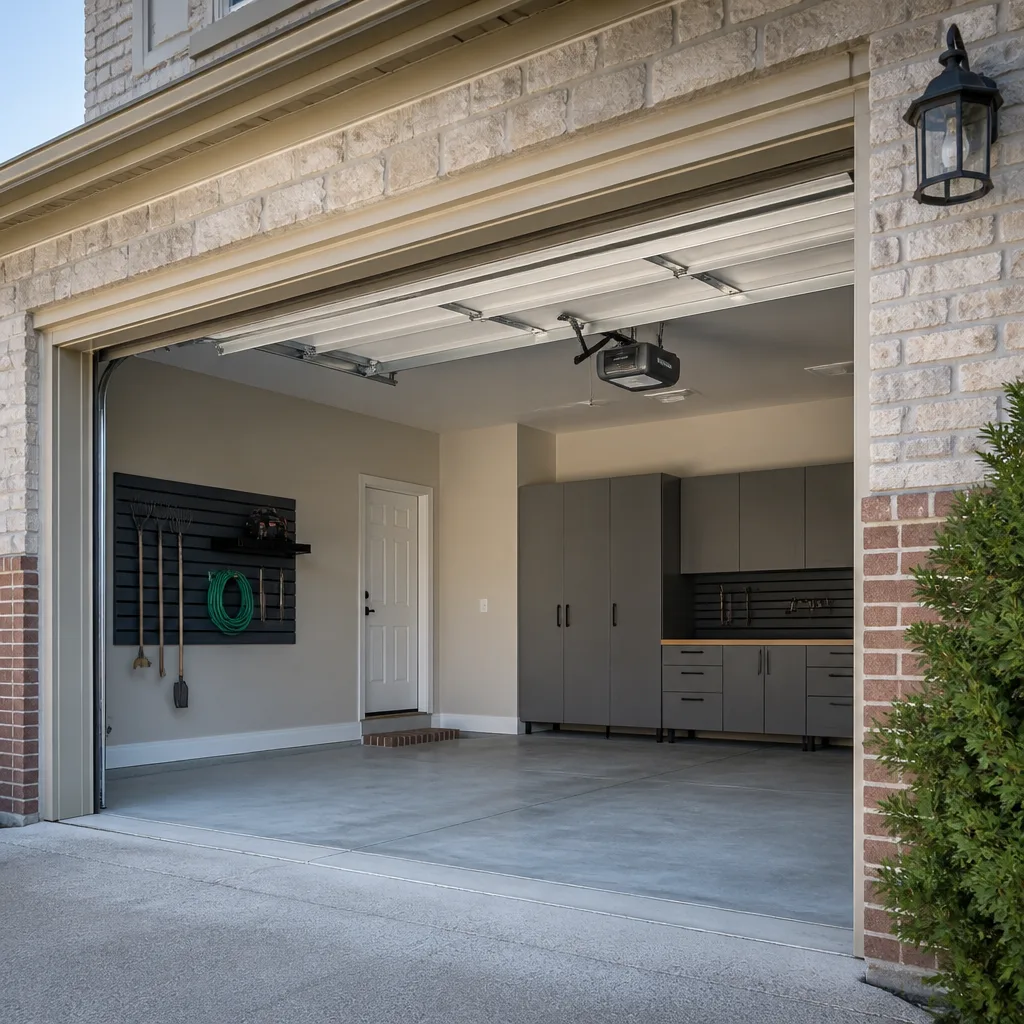 Chamberlain openers
Full 25-point door and opener safety check with every visit - springs, cables, rollers, tracks, and your LiftMaster or Chamberlain opener included
You get a price before we start. It does not change when the pro arrives.
Get your free estimateGarage Door Warning Signs: A Williamsburg Homeowner’s Reference Guide
A garage door doesn’t just break. It tells you it’s about to break for weeks first. The problem is knowing which signals to take seriously and which ones are normal mechanical noise. That distinction matters more in Williamsburg than in a lot of places, because so many homes here have tight garages, low ceilings and shared access, and a door that fails in those configurations can strand a car for days. This reference guide is written to help you decode what you’re actually seeing and hearing, so you can decide whether to schedule a repair soon, schedule one this week, or stop using the door right now. We’ll walk through the sounds, the visual signs, the opener clues, and the situations specific to Williamsburg buildings that most guides skip.
Quick Answer
In Williamsburg, the warning signs that most often mean a repair is close at hand are a loud bang followed by a door that won’t lift, a grinding or scraping sound as the door moves, and a door that drifts back down a few inches after you raise it. Those three usually point to a spring, cable or track problem and should be checked by a specialist before the door is used again. Slower signs, like a door that’s gotten noisier over months or one that reverses before it fully closes, are worth scheduling within a week or two.
Styles & brands we work with
- Raised-panel steel
- Carriage house
- Modern flush
- Full-view glass
- LiftMaster openers
- Chamberlain openers
Table of Contents
- What the Sounds Are Telling You
- Visual Signs: Serious vs. Cosmetic
- How Fast Do You Need to Act?
- Is Your Opener Compensating for a Mechanical Problem?
- Warning Signs Specific to Williamsburg Buildings
- A Simple Monthly Check You Can Do Yourself
- Common Mistakes to Avoid
- When to Call a Professional
What the Sounds Are Telling You
Every garage door makes some noise. Rollers rumble over the track, the opener hums, and the panels settle as the door moves. That baseline is normal. What you’re listening for is a change from the baseline, and a specific quality to the sound. In our experience working on doors across Williamsburg, the type of noise tells you almost as much as the volume. A screech and a bang can come from the same door on the same morning and mean completely different things.
Here’s how to map the most common sounds to the component most likely behind them.
- Squealing or high-pitched screeching: Usually dry or worn rollers, or a torsion spring that’s lost lubrication. Often the least urgent, but it accelerates wear on the track.
- Grinding or scraping, metal on metal: Rollers that have seized, a track that’s bent or misaligned, or a cable rubbing where it shouldn’t. This one tends to get worse fast.
- A single loud bang, then a door that won’t lift: This is the classic sound of a torsion spring breaking. The door will feel extremely heavy and should not be forced open.
- Popping or snapping during travel: A cable coming off its drum, or a spring that’s starting to fail but hasn’t gone yet. Treat it as urgent.
- Rattling that’s gotten worse over months: Loose hinges, brackets or panel fasteners. Worth a look, rarely an emergency on its own.
- A rhythmic thumping: Often a bent panel or a roller that’s jumped the track. Check for a visible wobble.
One rule of thumb: if the sound is new and it’s a bang, a snap or a grind, stop using the door and get a professional to look at it. Those three sounds are how most emergency calls start. If it’s a squeal or a rattle that’s been building slowly, you have time to schedule. If you’re not sure, shut the door, leave it, and call for guidance.
Visual Signs: Serious vs. Cosmetic
A lot of what alarms homeowners when they look at their door isn’t actually dangerous, and a lot of what looks like nothing is. Rust is the classic example. A little surface rust on the bottom panel or on a hinge is common on any door that sees humidity and temperature swings, and it’s mostly a cosmetic issue you can manage with a wire brush and a coat of paint. What’s serious is rust that’s eaten into the springs, the cables or the track brackets. Those are load-bearing, and rust there is a real weakening. If you run a finger along a cable and it feels rough or frayed, or the springs show pitting, that’s a schedule-this-week sign, not a next-spring project.
Gaps are similar. A small gap along one edge of the door during the coldest weeks is often normal expansion and contraction. A gap that appears suddenly, or one that’s clearly wider at one end than the other, usually means the door has come out of square or a track has shifted. Panels that look slightly out of line are usually the same story: check whether the door sits flat on the floor when closed. If it doesn’t, the alignment is off.
Here’s a quick way to sort what you’re looking at:
- Cosmetic and slow: Surface rust on panel faces or hinges, faded paint, small dents that don’t affect travel.
- Worth a check: A little wobble as the door moves, minor noise on the track, a hinge that rattles.
- Serious: Sagging panels, a door that closes crooked, frayed or kinked cables, springs with visible gaps or breaks, roller brackets pulling away from the track.
If you find anything in the serious column, and you want a quick read on what it means and what a proper garage door repair looks like, get it looked at rather than guessing. It’s usually cheaper to fix a small alignment problem than to replace a track.
How Fast Do You Need to Act?
Not every warning sign needs the same response. The useful question isn’t “is this bad?” but “how soon?” Here’s how we’d sort signs into three tiers, based on what the symptom usually indicates and how quickly it tends to escalate.
Stop using the door now
- A loud bang followed by the door becoming extremely heavy or refusing to lift. That’s almost always a broken spring.
- The door is hanging unevenly, one side lower than the other, or clearly crooked in the opening.
- A cable is visibly slack, kinked, wrapped around itself, or hanging loose.
- The door has come off the track, or a roller is out of the track.
- You can see daylight or a gap through the middle of a panel, or a panel has cracked.
In any of these cases, keep the door closed if it’s already down, don’t force it, and call for help. A torsion spring under load can cause serious injury if it’s handled without proper tools and training, which is why even experienced handymen often won’t touch one.
Schedule this week
- Popping or snapping during travel.
- Grinding or scraping that’s new in the last few days.
- The door reverses partway through closing, or won’t fully close without being held.
- The opener runs but the door doesn’t move at all.
- A snapped or stretched spring that hasn’t yet caused the door to fail open.
These are the in-between cases where a repair done soon usually stays a repair, while a delay turns it into a replacement. If your door is on this list, that’s the moment to book a visit, not wait to see whether it holds.
Schedule within the month
- New squeaks or rattles that aren’t getting worse quickly.
- Rollers that look worn or flat rather than seized.
- Surface rust on non-load-bearing parts.
- An opener that’s become noisier or slower than it used to be.
These are the small things you fix so they don’t grow into the big ones. A good rule: any new symptom on your door that wasn’t there a month ago is worth a look, even if it turns out to be nothing.
Is Your Opener Compensating for a Mechanical Problem?
Your opener is often the first part of the system to tell you something’s wrong, because it’s the part that does the pushing and pulling. When a door gets heavier or binds, the opener pushes harder or pulls longer to get the same result. You notice it as a change in behavior. The motor sounds strained, the door moves slower than it used to, or it starts travelling unevenly. None of that is an opener problem in itself. It’s a sign the door is asking for more effort, and the opener is the symptom.
Here are the clues that the opener is compensating:
- The motor stalls, hums or strains at the start of a cycle and the door moves a beat later than usual.
- The door moves unevenly, one side leading the other.
- The opener works fine on some days and struggles on others.
- The opener’s safety reverse stops the door partway, or the door springs back up before closing.
- The opener is fine but the door is noticeably heavier to lift by hand than it used to be.
If you notice any of these, the fix is often not a new opener. It’s a repair to the door’s balance, springs, rollers or track. If the opener itself turns out to be the problem, though, that’s where a specialist who knows your brands matters. We work with LiftMaster and Chamberlain units often, and the newer smart openers add their own layer of complexity when they’re paired with a door that isn’t moving smoothly. If you want to know what that repair involves, our garage door opener repair page covers it. The main point: don’t replace an opener before you know the door isn’t the cause.
Warning Signs Specific to Williamsburg Buildings
Williamsburg has more than its share of homes and buildings with garages that don’t follow the standard suburban template. A lot of the housing here is older, tightly built, and set up in ways that make certain problems more likely. Here’s what to watch for depending on your configuration.
Low-clearance garages
If your ceiling is close to the door, you may have a low-headroom torsion setup with tighter tolerances. In those cases, a small track misalignment or a stretched cable tends to show up faster as a scraping or binding symptom, and a door out of balance shows up as a rough ride rather than a dramatic failure. Watch for a metal scrape near the top of the travel and for the door slowing in the last quarter of its rise.
Below-grade and alley-access garages
Garages reached by a ramp or an alley are more exposed to moisture that runs down the driveway. Rust on springs, cables and tracks shows up sooner. Check the spring and the bottom panel after a wet stretch, and look for a white or powdery residue on the springs, which is often an early sign of corrosion. A little surface rust is normal. Flaking or pitting on a spring is not.
Shared driveways
When the driveway is shared, the door has to work in a tighter footprint and gets more use. You’ll see the same wear signs earlier: rollers that flatten, hinges that loosen, and an opener that cycles more often. Pay attention to the door’s smoothness rather than its noise, because the shared setup tends to hide a rough ride behind the daily routine.
Older panel doors with original hardware
Many homes in Williamsburg still have original hinged hardware. Watch for a single panel that’s begun to separate, a hinge that’s got visible play, or a door that’s started to sit unevenly in the opening. Those are the signs to catch before they turn into a replacement. When a repair is no longer the right call, our garage door installation page walks through what a proper replacement involves for a home like yours.
A Simple Monthly Check You Can Do Yourself
You don’t need any special tools to catch most of these signs early. A short monthly walk-around, done safely with the door closed and the opener disconnected, will tell you a lot. This is not a repair procedure. It’s a look-and-listen routine, and it’s the same one we run through when we arrive.
- Stand back and look at the door. Is it sitting level on the floor? Are the panels in line?
- Look at the springs above the door. Any obvious gap, break, or flaking rust?
- Look at the cables down each side. Are they straight and taut, or slack or kinked?
- Look at the track along the floor and ceiling. Any dents, bends or loose brackets?
- Run your eye along the hinges and rollers. Any cracks, flat spots or loose screws?
- Open and close the door and listen. Is there a new sound compared with last month?
- Test the door’s balance by hand if you’re able to, with the opener disconnected, and lift it partway. It should feel manageable, not heavy.
If the answer to any of these is “yes, and it wasn’t before,” that’s your sign to book a visit. Keep a note of which symptom appeared and when. It helps the technician get to the cause faster. If you’re a Williamsburg homeowner who’s new to the door, this routine alone will help you tell normal wear from a real problem. When you want us to check a symptom you’ve found, we offer free estimates in Williamsburg, and you can reach the Williamsburg Garage Door Repair Pros team at (855) 914-9583.
Common Mistakes to Avoid
- Waiting to see if a bang sorts itself out. A broken spring does not fix itself, and every attempt to lift the door in the meantime puts more strain on the opener and cables. Call it in.
- Forcing a door that’s off balance. If the door is crooked or heavy, forcing it puts load on the track and hinges that can turn a simple fix into a bigger one.
- Replacing the opener when the door is the problem. Many struggling openers are doing their job with a door that’s out of balance. Diagnose the door first.
- Assuming rust means replace. Most surface rust is cosmetic. Rust on springs and cables is the serious kind. Don’t replace a whole door for the wrong reason.
- Lubricating a spring or cable yourself. This is a load-bearing component. Leave it to a technician who can inspect it properly at the same time.
- Ignoring a slow change in the door’s behavior. A door that’s been rougher for a month is telling you something, and the fix is usually cheaper now than later.
- Using a general handyman for a spring or cable job. These are the jobs many handymen won’t take because of the risk. It’s the right instinct. Use a specialist.
- Skipping the check after a wet stretch. In Williamsburg’s wetter weeks, rust and moisture-related wear speed up. A quick look after a wet spell catches the early signs.
See the difference
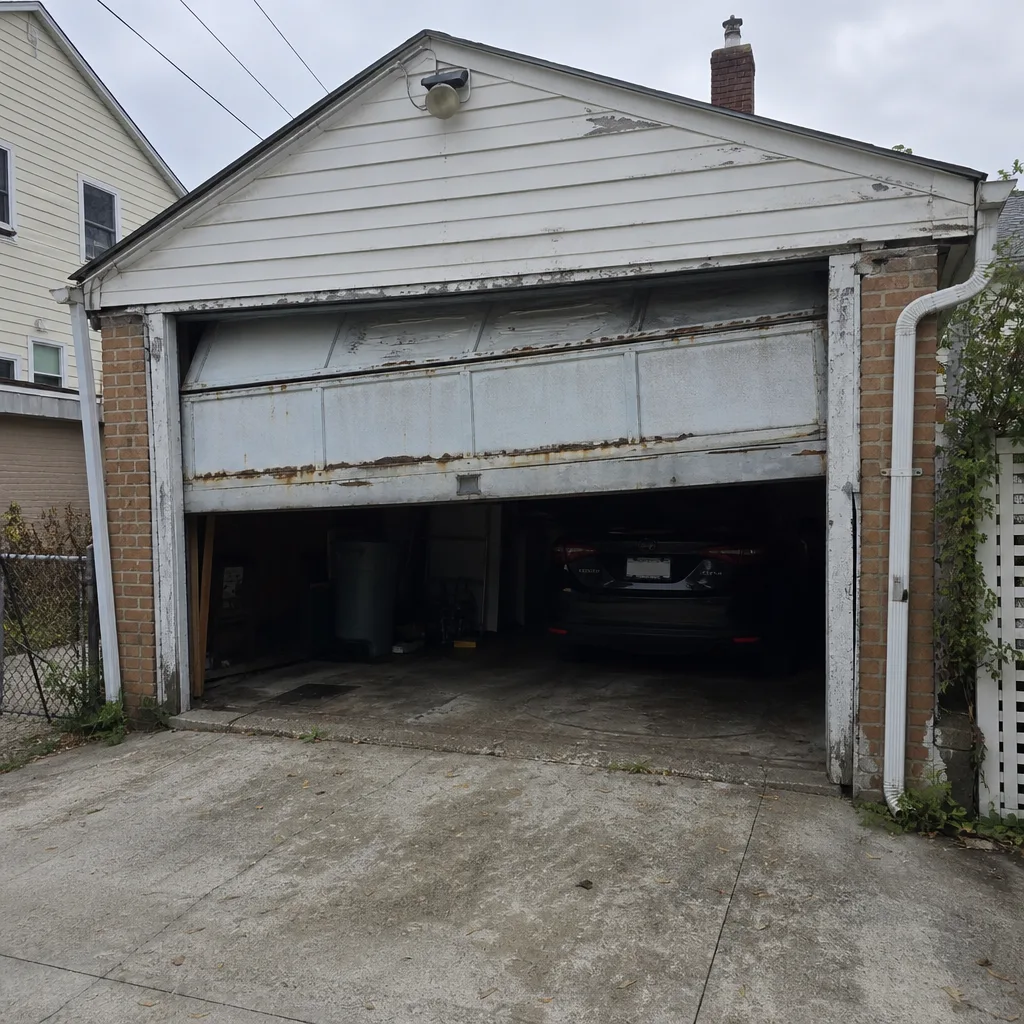 Before
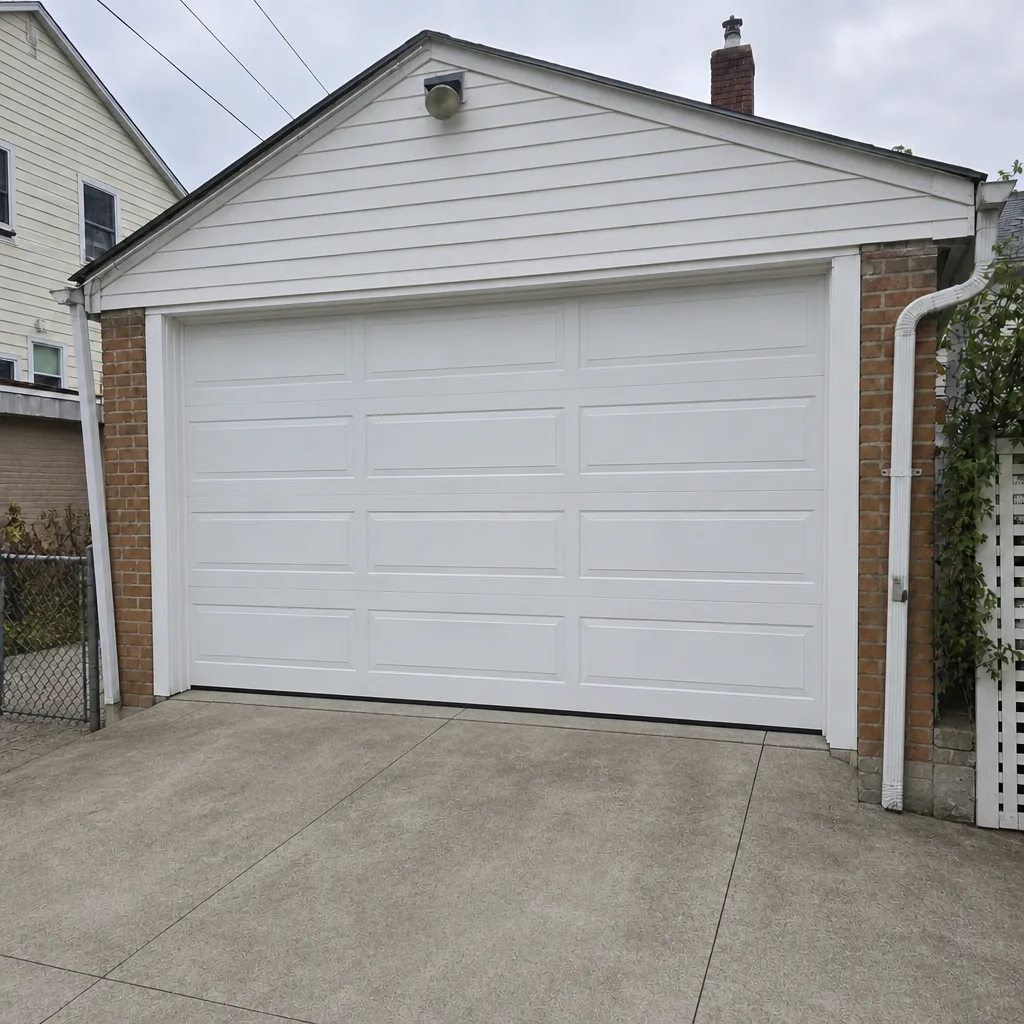 After
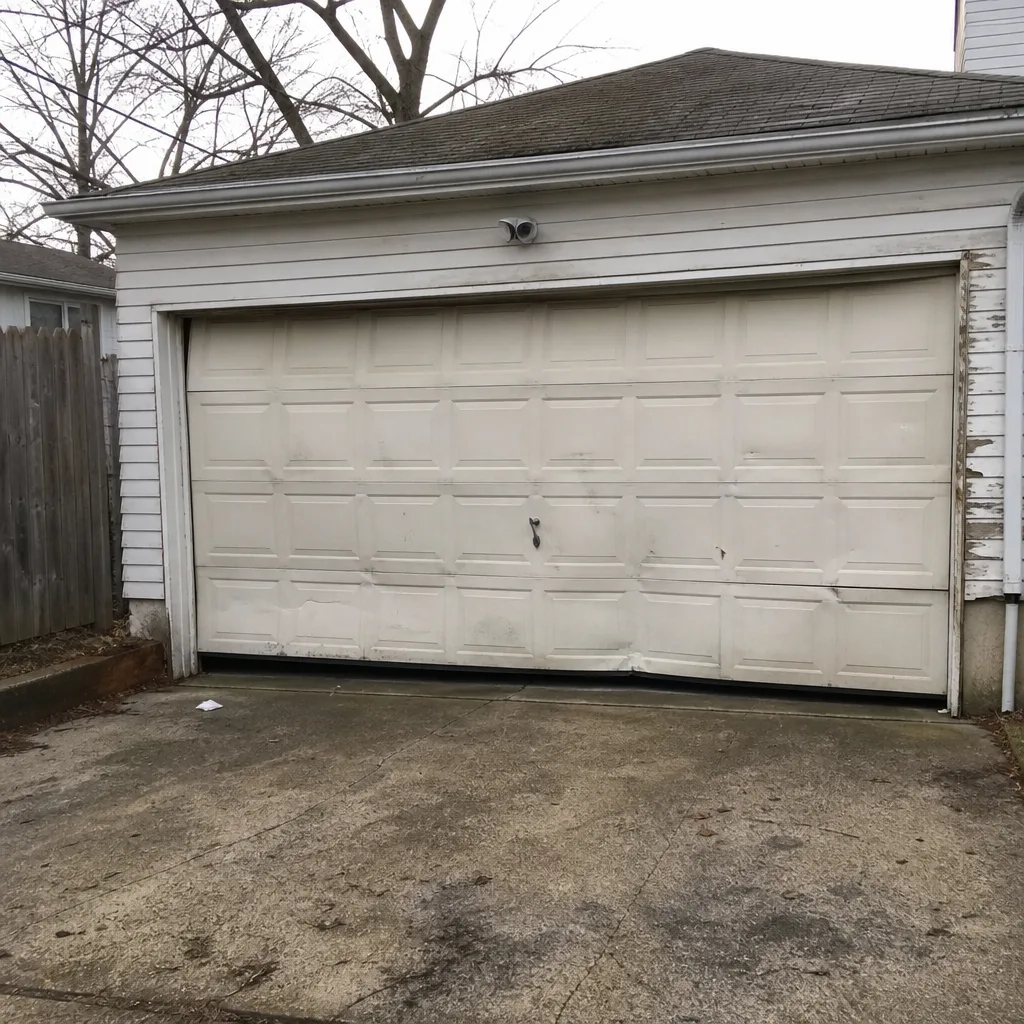 Before
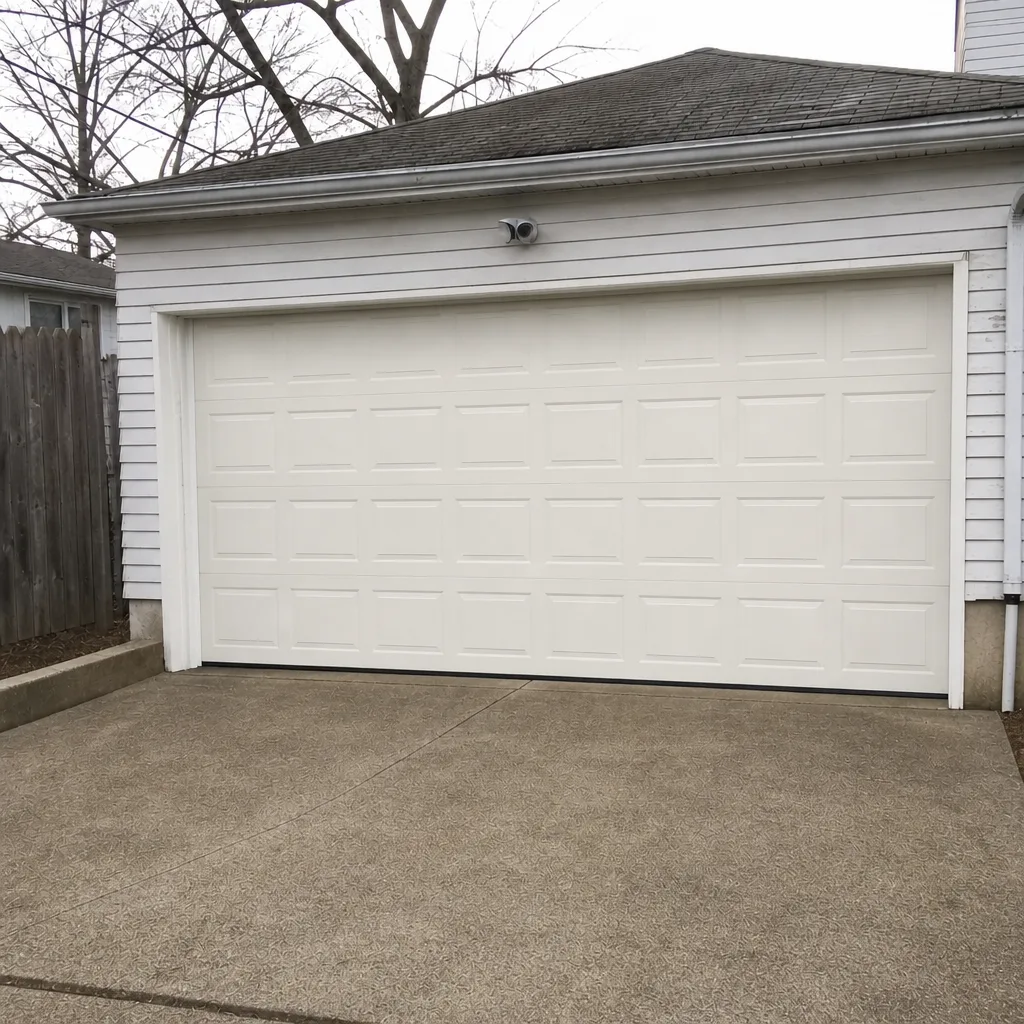 After
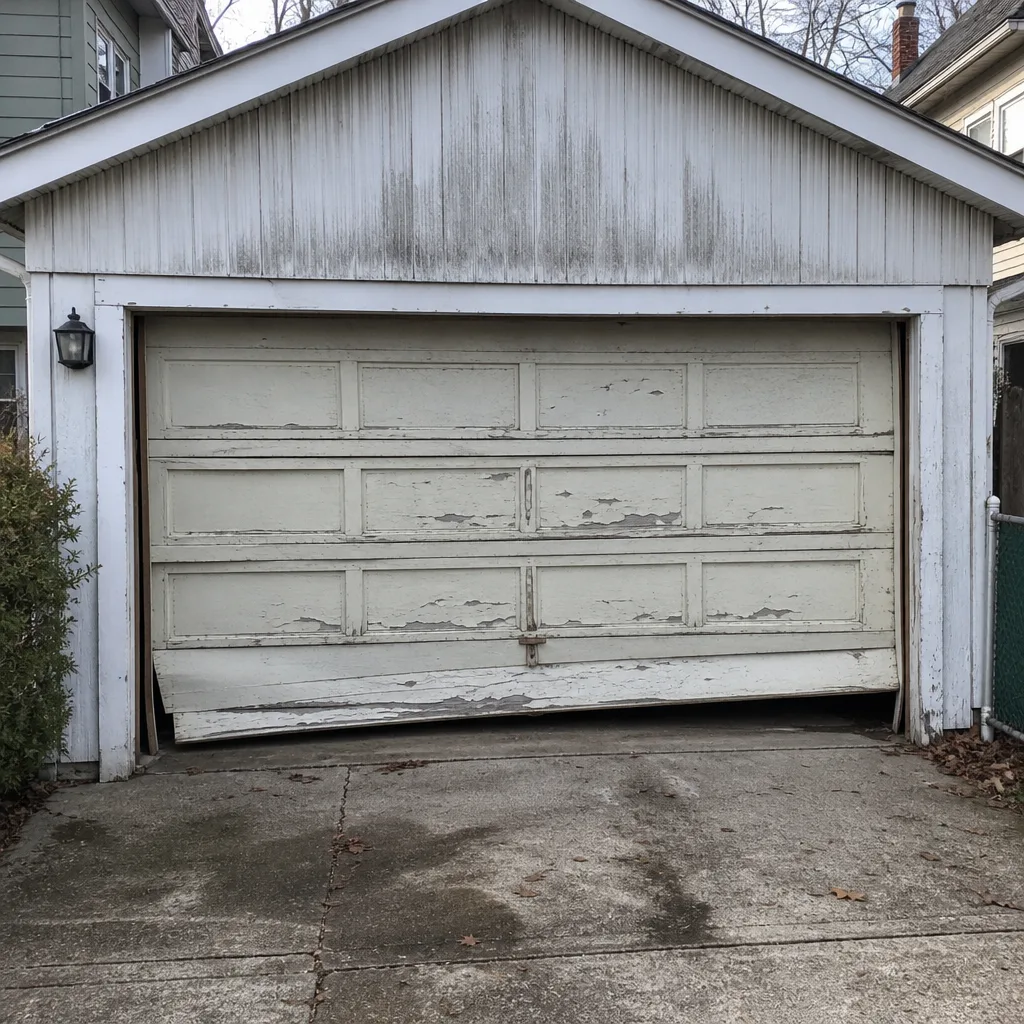 Before
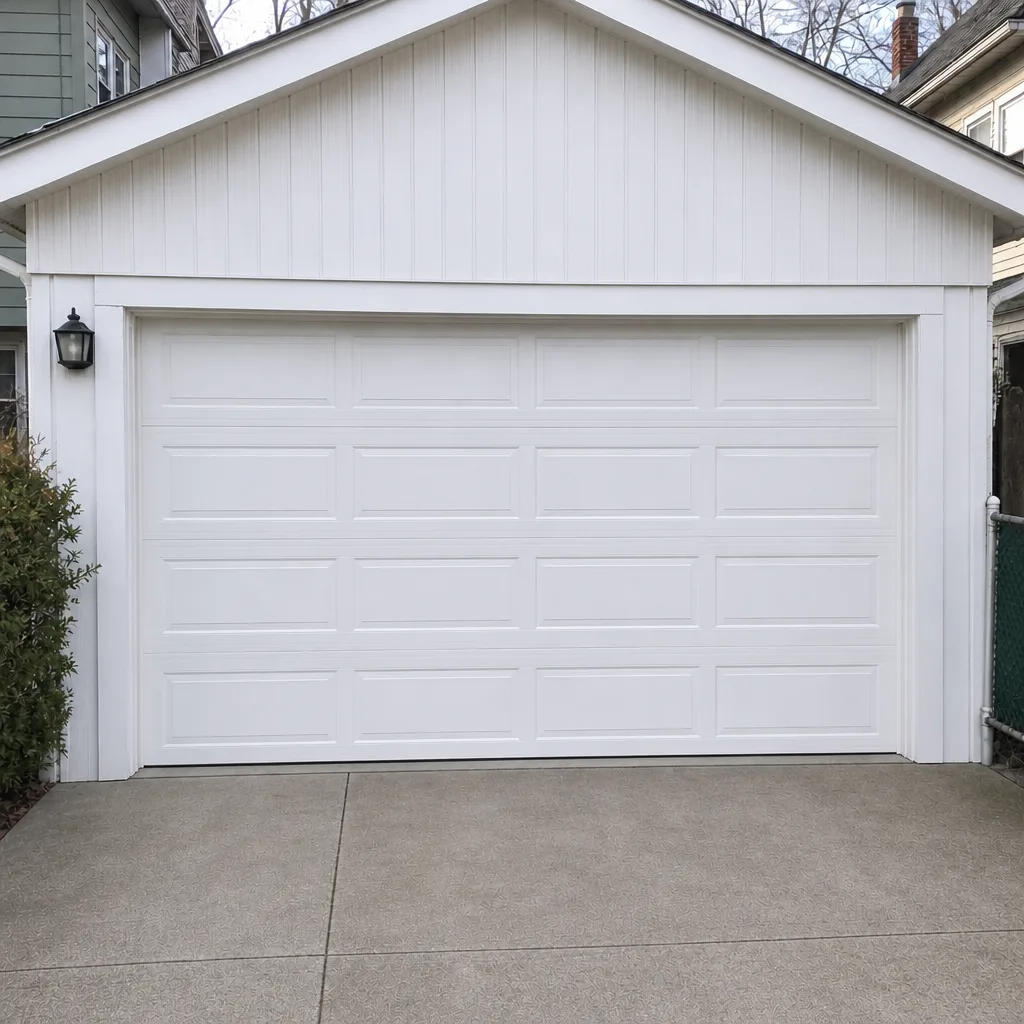 After
When to Call a Professional
Call a professional if a bang, snap or grind has stopped the door working, if the door is crooked or hanging unevenly, if a cable is slack or frayed, or if a broken spring is visible above the door. Those are the cases where a home attempt is genuinely risky and the door should be left alone until it’s inspected. Call too if the door is behaving strangely and you’re not sure why. A quick look now is cheaper than a replacement later. Williamsburg Garage Door Repair Pros offers free estimates in Williamsburg. Our technicians have up to 12 years of experience, and we’re set up for emergency garage door service when a door fails at the worst possible moment. Call (855) 914-9583 to book a visit.
Frequently Asked Questions
The earliest signs are usually a change in sound and a change in the way the door moves. A squeal that wasn’t there before, a slight wobble, a door that moves a little slower than it used to, or an opener that sounds strained at the start of a cycle. Those are the “schedule within the month” signs. The more dramatic signs, like a bang followed by a door that won’t lift, come later. If you catch the early ones, you usually avoid the big ones.
A spring that’s about to break often shows a visible gap or a stretch in the coils, a powdery rust on its surface, or a popping sound during travel. The door may also feel heavier than it used to. If you see any of those, treat it as a schedule-this-week sign and don’t wait for the bang. Springs are a load-bearing component, and they can cause serious injury if they’re handled without proper tools. Call for a professional look rather than testing it.
No, you shouldn’t. With a broken spring, the door is carrying its full weight on the opener and cables, and the door can drop suddenly. Keep it closed if it’s down, don’t force it, and call a specialist. Emergency garage door service exists for exactly this situation, and in Williamsburg it’s worth calling sooner rather than leaving the car stranded for days.
Grinding usually means rollers that have seized, a track that’s bent or misaligned, or a cable rubbing against the track or drum. It’s a sign of friction, and friction tends to get worse fast. It’s one of the “schedule this week” signs. If you can also see a bent track or a roller out of position, stop using the door until it’s checked.
Only if the rust is on the springs, cables or track brackets. Rust on panel faces, hinges or the bottom panel is usually cosmetic and can be managed with a brush and paint. Pitting or flaking rust on a spring, or a cable that feels rough or frayed, is serious and worth a same-week look. Williamsburg’s wetter stretches make moisture-related wear more likely, so check those parts after a rainy spell.
A door that closes crooked, or one that reverses partway, is usually out of balance or has a track or sensor problem. Don’t keep cycling it. That’s a sign the door’s alignment is off, and forcing it will put more load on the track and opener. Stop using it and have it checked. If your opener keeps reversing, that could be the safety sensors or the door’s travel limits, and a technician can tell you which in a few minutes.
Once a month by you with the simple look-and-listen routine above, and once a year by a professional for a proper tune-up and balance check. If your door is older, or the garage is below grade or subject to moisture, once a year becomes more important, not less. A small adjustment now keeps the door out of the emergency column.
Most warning signs point to a repair, not a replacement. Springs, cables, rollers, openers and alignment issues are all fixable. Replacement becomes the right call when the panels are structurally damaged, the door is out of square beyond adjustment, or the repair cost no longer makes sense against the door’s condition. A specialist can tell you which side of that line you’re on. For a newer door, a repair is almost always the answer.
The Bottom Line
A garage door is your home’s largest moving part, and it gives you clear, gradual notice before it fails. The sounds matter, the small visual changes matter, and the way your opener behaves matters. Sort what you find into three tiers: stop using the door now, schedule this week, or schedule within the month. Most of what alarms homeowners is cosmetic, and most of what’s actually serious starts quietly. The trick is paying attention to the change rather than the door itself. If you spot something on the list and want a second opinion, you don’t have to guess. Call Williamsburg Garage Door Repair Pros at (855) 914-9583 for a free estimate. We’ll look at the door, tell you what we see, and give you a written quote before any work starts.
Written by the team at Williamsburg Garage Door Repair Pros.