Last updated November 21, 2026
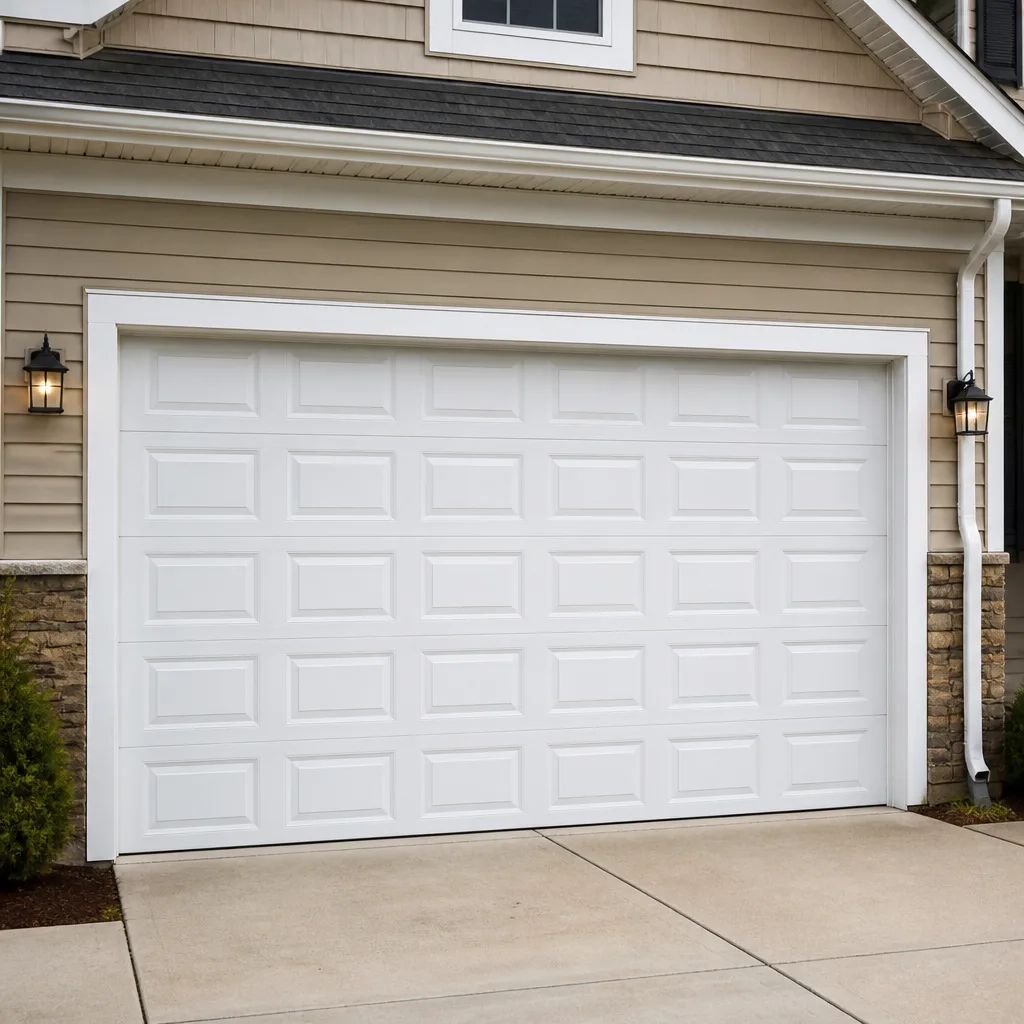 Raised-panel steel
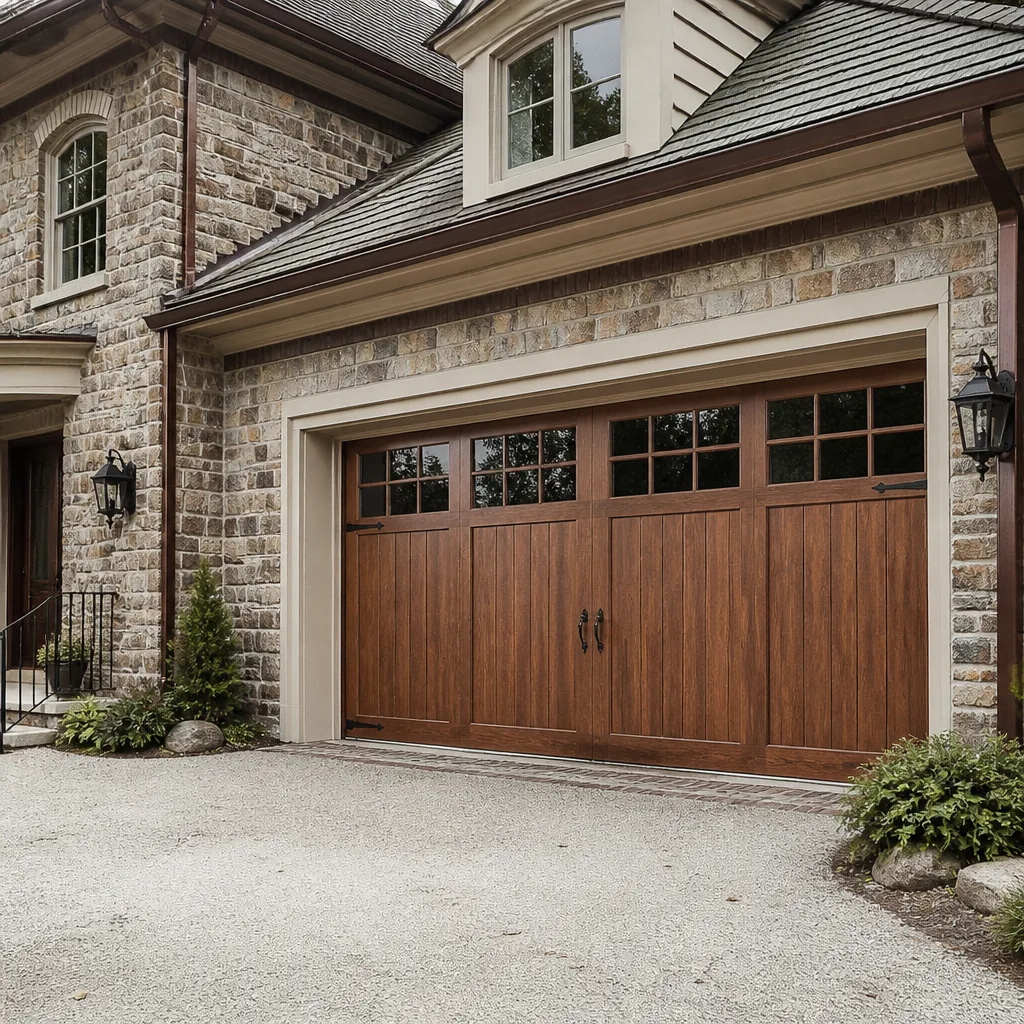 Carriage house
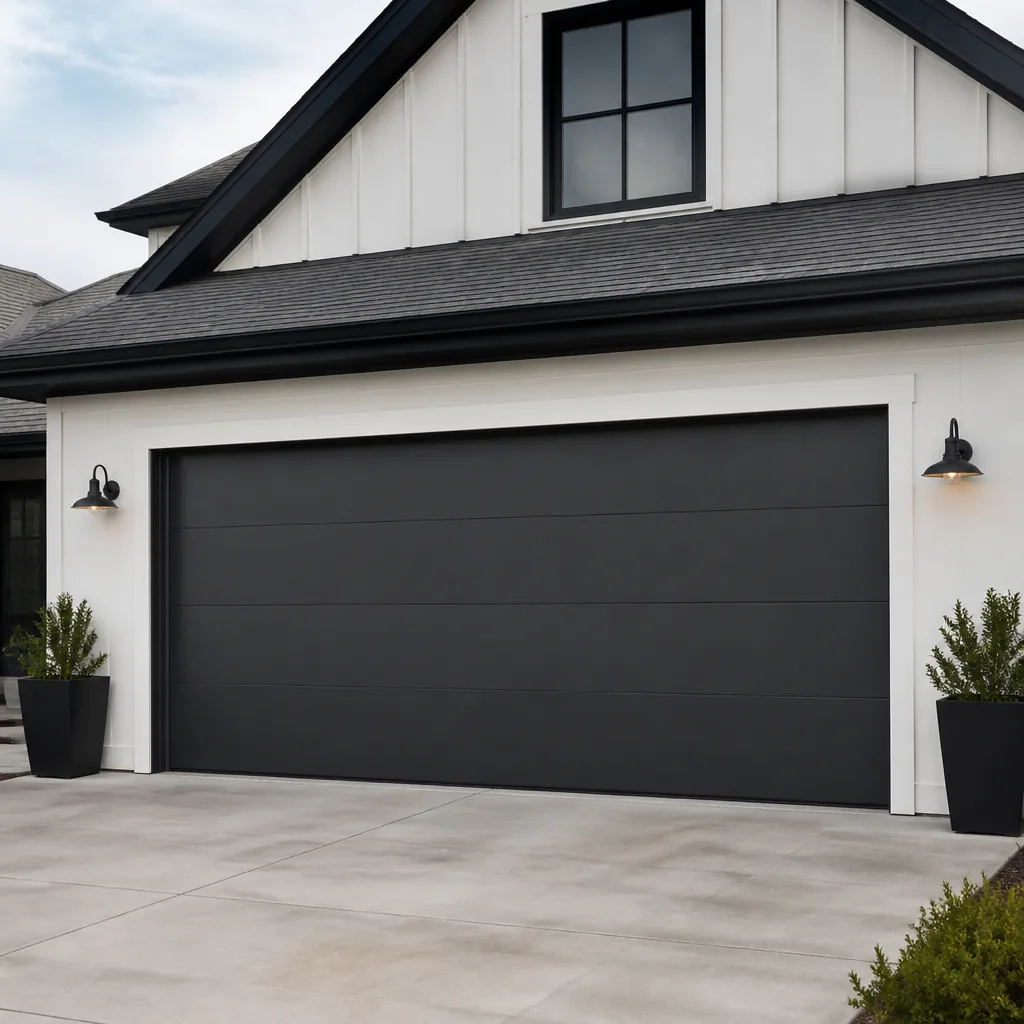 Modern flush
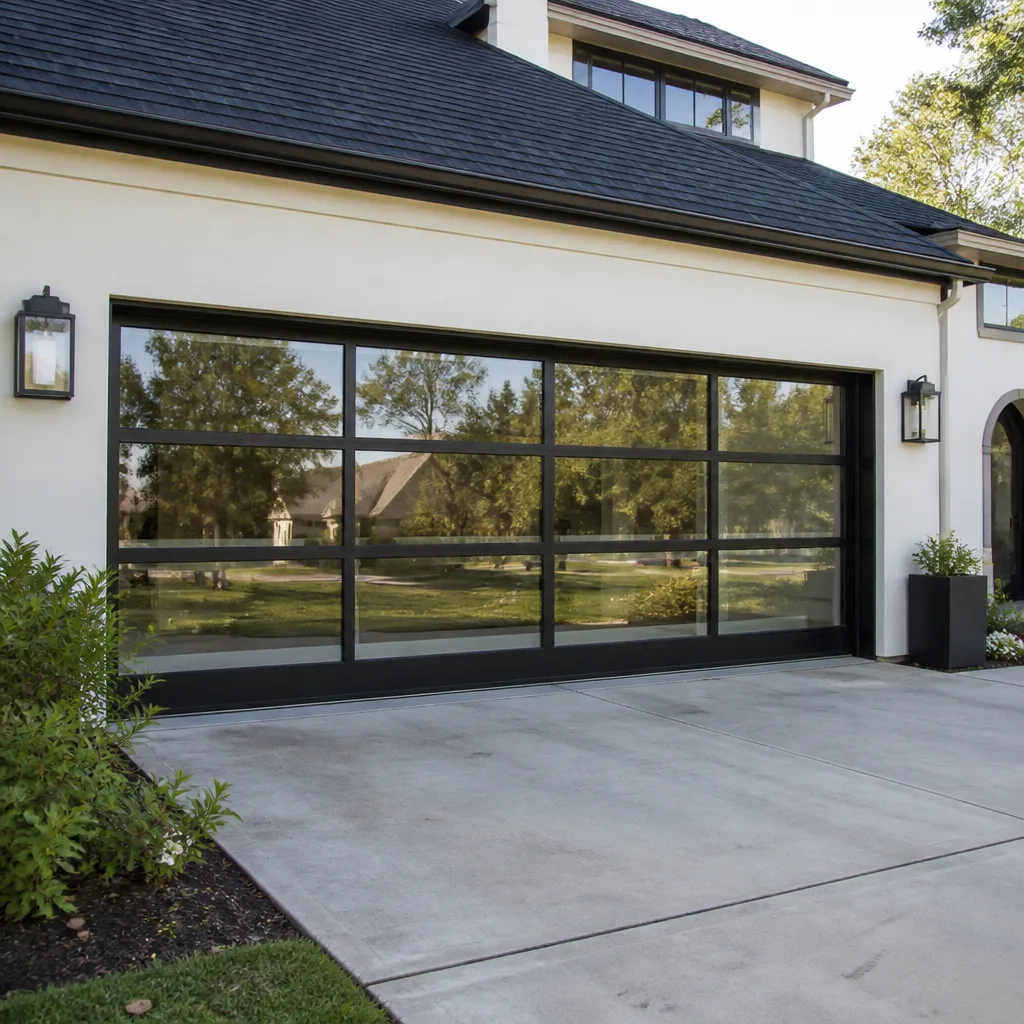 Full-view glass
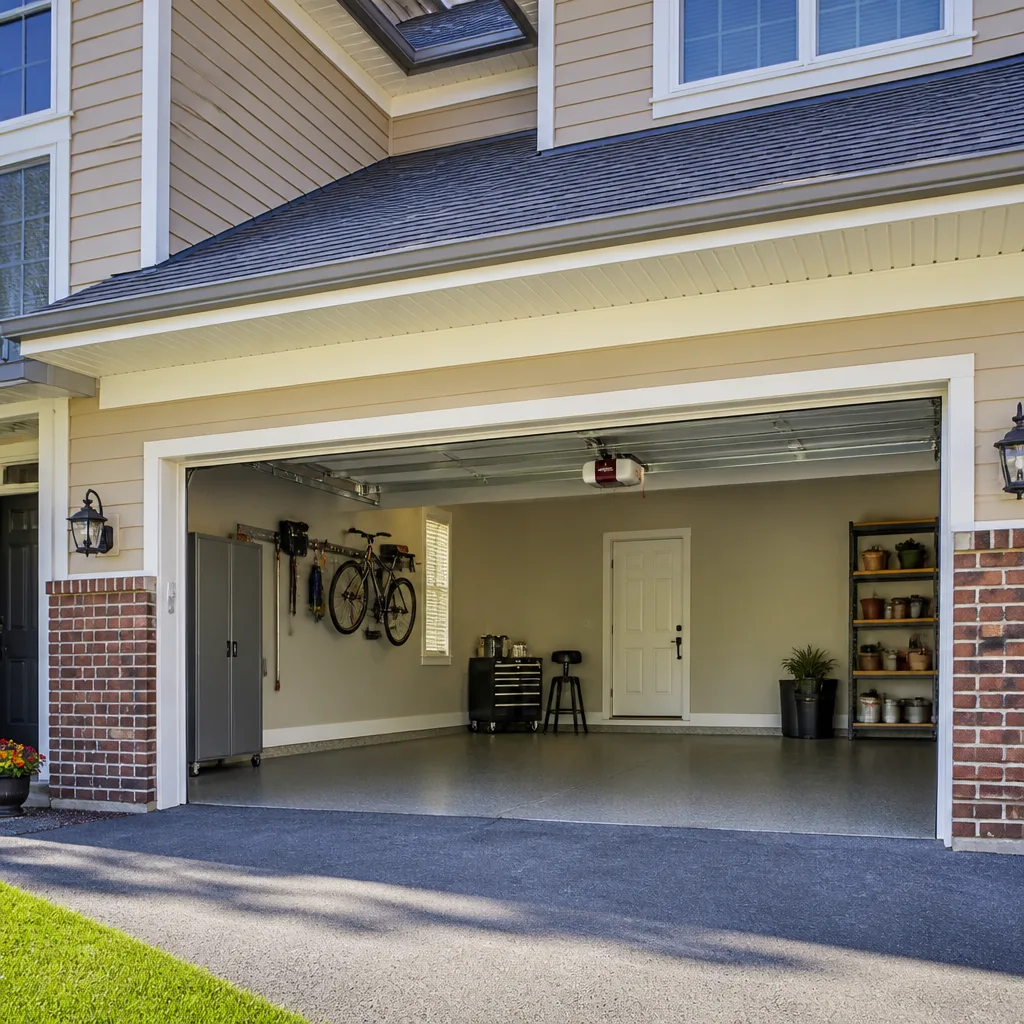 LiftMaster openers
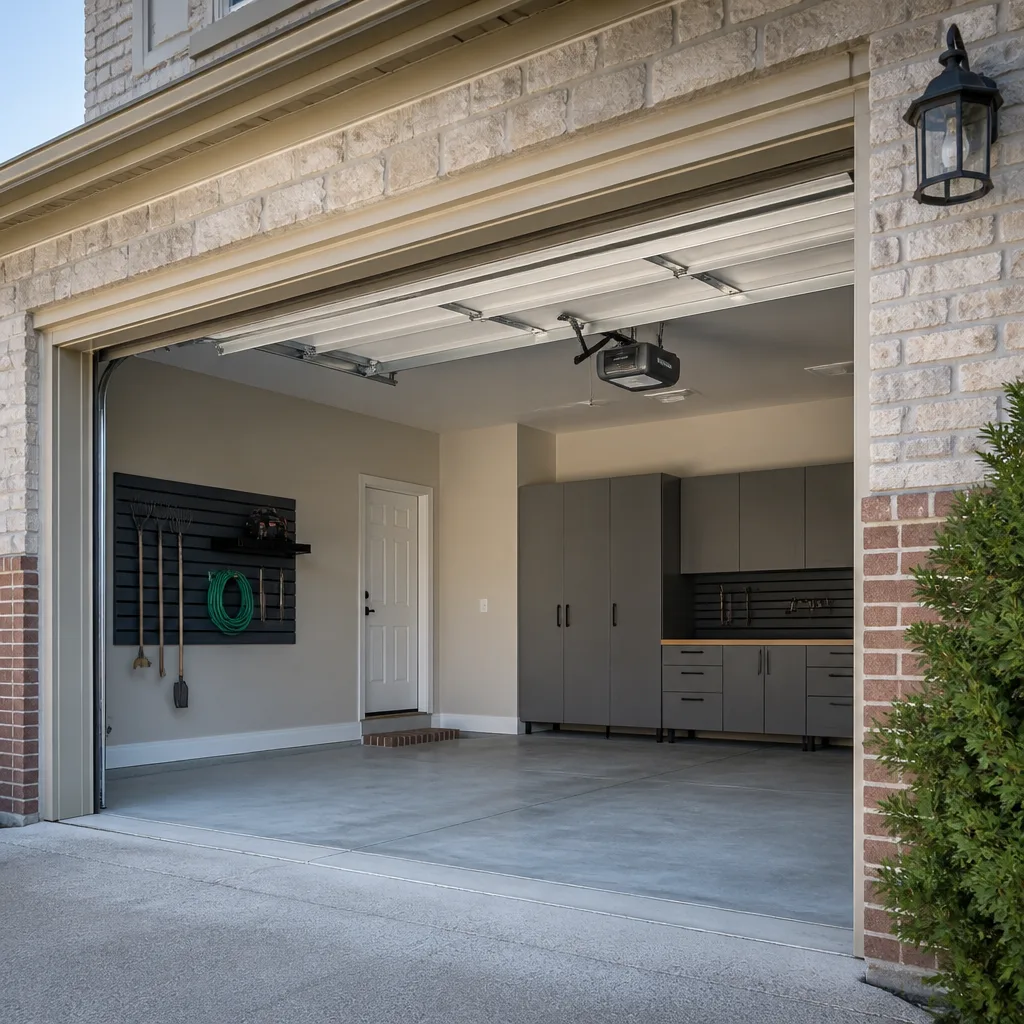 Chamberlain openers
Full 25-point door and opener safety check with every visit - springs, cables, rollers, tracks, and your LiftMaster or Chamberlain opener included
You get a price before we start. It does not change when the pro arrives.
Get your free estimateDIY vs Professional Garage Door: The Williamsburg Homeowner’s Decision Guide
Garage door springs are under 150 to 300 pounds of tension. That’s not a warning to scare you away from DIY. It’s a physics fact that should decide exactly which jobs stay on your list and which ones come off it tonight. Most advice on this subject treats DIY versus professional as a question of confidence or skill. It isn’t. It’s a question of asymmetric risk: a handful of garage door tasks carry failure costs that run many times the price of hiring a technician, while most of the routine work is genuinely safe to do yourself. This guide draws that line task by task, covers the rules that affect Williamsburg homeowners specifically, and shows you how to use a little DIY knowledge to verify a diagnosis even when you hire out the repair.
Quick Answer
Homeowners can safely handle lubrication, safety sensor alignment, remote and keypad programming, visual inspections, and minor weatherstripping. Anything involving the springs, cables, bottom brackets, or the torsion shaft should go to a trained technician because those parts store enough energy to cause serious injury. For a Williamsburg homeowner, the practical split is roughly: routine maintenance stays with you, anything under tension or tied to building rules goes to a professional.
Styles & brands we work with
- Raised-panel steel
- Carriage house
- Modern flush
- Full-view glass
- LiftMaster openers
- Chamberlain openers
Table of Contents
- Where the DIY Line Actually Falls
- What Homeowners Can Safely Do Themselves
- The High-Tension Jobs That Require a Technician
- What a DIY Mistake Really Costs
- Williamsburg Building Rules, Condo and Co-op Limits
- Tools and Parts: Is DIY Cost-Effective for One Fix?
- How to Inspect Like a Pro Before You Hire One
Where the DIY Line Actually Falls
Picture every garage door task on a scale. On one end sit jobs where a mistake means a call to us and a slightly bigger bill. On the other end sit jobs where a mistake means a hospital visit, a crushed door panel, or a bent track assembly. The line between “go ahead” and “call someone” is where the second category starts.
Here’s the split in plain terms:
- Safe for a careful homeowner: lubrication, sensor alignment, remote programming, visual inspection, replacing the bottom weather seal, tightening the occasional loose hinge bolt.
- Hands-off: torsion springs, extension springs, the cables that run alongside the door, bottom brackets, the torsion shaft and drums, and anything involving the counterbalance system.
- Case-by-case: opener logic boards, smart opener integration, track realignment, and panel replacement – manageable for a confident tinkerer, but brand-specific enough that wrong parts waste time and money.
The reason the counterbalance parts are off-limits isn’t that they’re complicated. It’s that they’re loaded. A torsion spring holds enough stored energy to move a door weighing hundreds of pounds. Release that energy the wrong way and it isn’t a repair bill – it’s an injury. That’s also why so many general handymen won’t touch spring work at all, and why we keep garage door repair as a named specialty rather than a side job.
Williamsburg homes add one more layer. Many of the buildings here – from rowhouses in the Northside to newer condo buildings along the waterfront – have doors mounted tight against ceilings or side walls with less clearance than a typical suburban install. When the workspace is cramped, the margin for a DIY misstep narrows fast. That’s a practical argument for keeping tension work in trained hands.
What Homeowners Can Safely Do Themselves
The safe half of garage door maintenance is genuinely safe – and it’s also the half that prevents most of the expensive repairs we get called out for in Williamsburg. Staying on top of these tasks is the single best thing a homeowner can do for door longevity.
1. Lubricate the moving parts. Use a garage-door-specific lubricant on the hinges, rollers, and the length of the torsion spring (never on the tracks or the opener belt). Do this a couple of times a year. It cuts noise and slows wear on the parts that fail under constant use.
2. Align the safety sensors. The two small eyes near the floor should line up across the opening, and each should have a steady light. If the door reverses for no obvious reason, a bumped or dusty sensor is usually the cause. Wipe them and nudge them back into alignment by hand.
3. Program and re-program remotes and keypads. This is a settings task, not a mechanical one. It’s easy to do yourself, and a good reason to know which brand opener you have – Clopay, Amarr, Wayne Dalton, and Craftsman doors are all common in this neighborhood, and each opener brand has its own programming sequence.
4. Replace the bottom weather seal. The rubber strip along the bottom of the door wears out from weather and foot traffic. A replacement slides into the retainer channel and is one of the few parts swaps a homeowner can do without touching the door’s balance.
5. Do a visual and sound check every few months. Listen for grinding or a door that jerks on the way up. Look for frayed cables, a visibly stretched spring (springs stretch as they near the end of their life), and hinges that pull loose from the panel. If something looks off on any of these, book a professional inspection before it becomes a bigger fix.
Every task above is low-stress, low-tension, and reversible. They’re the jobs worth keeping on your list.
The High-Tension Jobs That Require a Technician
Now the other side of the line. Four garage door jobs belong with a trained technician every time, not because homeowners aren’t capable, but because the part in question is holding back hundreds of pounds of force. These are the jobs where a mistake doesn’t cost money – it costs you.
- Torsion and extension spring replacement. Both types of spring store energy that releases instantly if the winding or the tool slips. Spring replacement uses winding bars under tension, and there’s no safe way to improvise. This is the job that sends the highest number of DIY injuries through emergency rooms.
- Cable and drum work. The cables run under tension alongside the springs and carry the door’s weight. A cable that slips under load can cause serious injury and can drop the door. Cable replacement is almost always paired with spring work anyway.
- Bottom bracket and torsion shaft repair. The bottom bracket anchors the cable system and takes the full load of the door. Loosening it without first releasing the tension is one of the highest-risk moves in garage door work.
- Opener motor and logic board replacement. Not a spring risk, but a wiring and load-rating one. A mismatched or incorrectly wired opener can strain the door’s balance system and create a different hazard. Brand-specific opener work – LiftMaster, Chamberlain, Genie, and others – is handled better by a technician who knows the wiring pattern.
How we approach spring work
Spring replacement is the job we’d put at the top of the “leave it alone” list. A technician releases the door’s tension with the correct tools, replaces the spring, rebalances the door, and tests the safety reverse before leaving. You shouldn’t need a full DIY tutorial for this job – the point is that it’s not a DIY job. What a homeowner can do is watch for the warning signs: a loud bang from the garage, a door that only opens halfway, or a gap in the spring coil.
If any of those appear, book a technician rather than grab a wrench. Call (855) 914-9583 and we’ll give you a free estimate.
What a DIY Mistake Really Costs
The real test of whether a task belongs on your list isn’t “can I do this?” It’s “what does it cost if I get it wrong, compared to what a professional charges?” On most of these jobs, the answer tips heavily toward hiring out. Here’s the comparison in broad strokes:
- Spring replacement, done right: a single meaningful, one-time cost – one spring, one visit, a balanced door at the end.
- Spring replacement, done wrong: injury from the immediate release of tension, a door panel bent or dropped when the door falls, a track bent by the uncontrolled drop, and often a second call to a technician to undo the first attempt. That combination can run many times the original service cost once you add medical costs, panel replacement, and the original repair you still owe.
- Sensor alignment, done yourself: free.
- Sensor alignment, done wrong: at worst, an afternoon of repositioning and a second look. The failure mode is mild, which is exactly why it’s safe.
- Opener wiring, done wrong: a strained or overloaded opener, a door that runs unevenly, and a diagnostic visit to sort out what the homeowner did. The bill usually lands above the original opener repair would have been.
On high-tension parts, the failure cost is 10x or more the cost of the job done right. On routine maintenance, the failure cost is close to zero. That’s the whole point of this guide. The risk isn’t in the tool, it’s in the part.
For a clearer picture of typical regional pricing, our garage door opener repair page and garage door installation page both lay out how written estimates work so there are no surprises.
Williamsburg Building Rules, Condo and Co-op Limits
Before you decide whether a repair is DIY, check whether you’re allowed to do it at all. In Williamsburg, that answer depends on the type of property you live in, and getting it wrong can cost more than the repair itself.
The three property types that come with their own rules:
- Single-family homes and rowhouses. The most flexibility. Electrical work connected to the opener may still need a permit under city rules, so call your building department or check NYC’s building information system before you start wiring anything new.
- Condos. The board sets the rules, and those rules usually cover the exterior door, the opener, and who authorizes repairs. Sometimes the association handles maintenance, sometimes the unit owner does. Read the bylaws before assuming you’re in charge of the fix.
- Co-ops. The building corporation typically owns the structure and controls what’s attached to it. Alterations, including a new opener or a full door replacement, usually require board approval, and many co-ops require licensed contractors for anything attached to the building.
For rentals, the rule is simpler: the landlord authorizes repairs. A tenant who swaps a spring or replaces an opener without permission can end up responsible for the outcome.
If you’re outside the city and into the surrounding boroughs, the same logic holds – check the property rules first. Our Williamsburg Garage Door Repair Pros coverage covers the local area with technicians who work inside those constraints regularly, and we can tell you upfront whether a repair needs a board letter or a permit.
Tools and Parts: Is DIY Cost-Effective for One Fix?
A realistic look at the toolbox. Some DIY repairs make financial sense because the tools are common and reusable. Others don’t, because the tool is specific to a single job and the part is brand-specific.
Worth owning:
- Garage-door lubricant (a can lasts years and covers every hinge and roller).
- A socket set and screwdrivers for tightening hinges and hardware.
- A sturdy step ladder – not the one from the kitchen.
- A garage-door bottom seal of the correct width.
Not worth owning for one fix:
- Winding bars. The tools for torsion spring work are inexpensive but don’t help if the skill isn’t there – and the risk means you shouldn’t use them without training. Skip them.
- Cable tension tools and winding hardware. Same reason.
- Brand-specific opener parts. A Clopay-specific hinge, an Amarr-compatible panel, or a Wayne Dalton opener board get ordered once and sit in the toolbox afterward. The part cost plus the wrong-part risk usually exceeds the labor you’d save.
The honest rule: if the tool only exists for one job and that job carries tension, hiring out is cheaper. If the tool works around the house for years, keep it and use it.
How to Inspect Like a Pro Before You Hire One
DIY knowledge pays off even when you don’t do the repair. When you know what a technician checks, you can confirm the diagnosis and avoid paying for work the door doesn’t need. That’s a practical use of home inspection that doesn’t involve touching a spring.
Here’s the pre-call inspection checklist we’d hand a Williamsburg homeowner:
- Look at the springs. A healthy spring has an even coil. A gap in the coil, or a spring visibly stretched longer than the other side, usually means replacement is near.
- Check the cables. Run your eyes down each side. Frayed strands or loose slack are both warning signs of cable wear.
- Watch the door travel. The door should move smoothly from open to closed, with no jerking, no tilting, and no panel dragging on one side.
- Test the safety reverse. Put a small object under the closed door and operate the opener. The door should reverse immediately. If not, the sensor or opener logic needs attention.
- Listen. Rattling, grinding, and a thumping sound on opening each point to a different component – hinges, rollers, or a loose mount.
- Look at the opener. Confirm the brand and model. When a service call is booked, that information helps the technician bring the right parts.
If you go through that list and something feels wrong, get the door checked before you use it again. Free estimates mean no downside to a professional opinion.
Common Mistakes to Avoid
- Cutting a cable or spring “just to see what happens.” Never. Springs and cables hold stored energy. Touching either under load is the most dangerous thing a homeowner can do around a garage door.
- Replacing one spring and leaving the other. Springs that were installed together wear at the same rate. Swap one and the other usually fails soon after – matched-pair replacement is standard practice. A pair costs roughly twice a single spring.
- Using a brick or a screwdriver as a winding bar. There’s no safe substitute for the correct tool. This is how many DIY injuries happen.
- Skipping the board or landlord before a repair. In Williamsburg, condo and co-op rules can mean the association owns the door or the opener. Doing work without approval can mean paying twice.
- Lubricating the tracks. Tracks are meant to stay dry. Grease on the track is a common mistake that makes the door run worse, not better.
- Ignoring a sensor that keeps reversing the door. A reversing door is a safety system working as designed. Don’t prop or bypass the sensor. Fix it.
- Buying a random brand’s opener part for a door you don’t know the brand of. Identify the door and opener first. Mixing parts across brands can damage the opener and void the door’s smooth operation.
See the difference
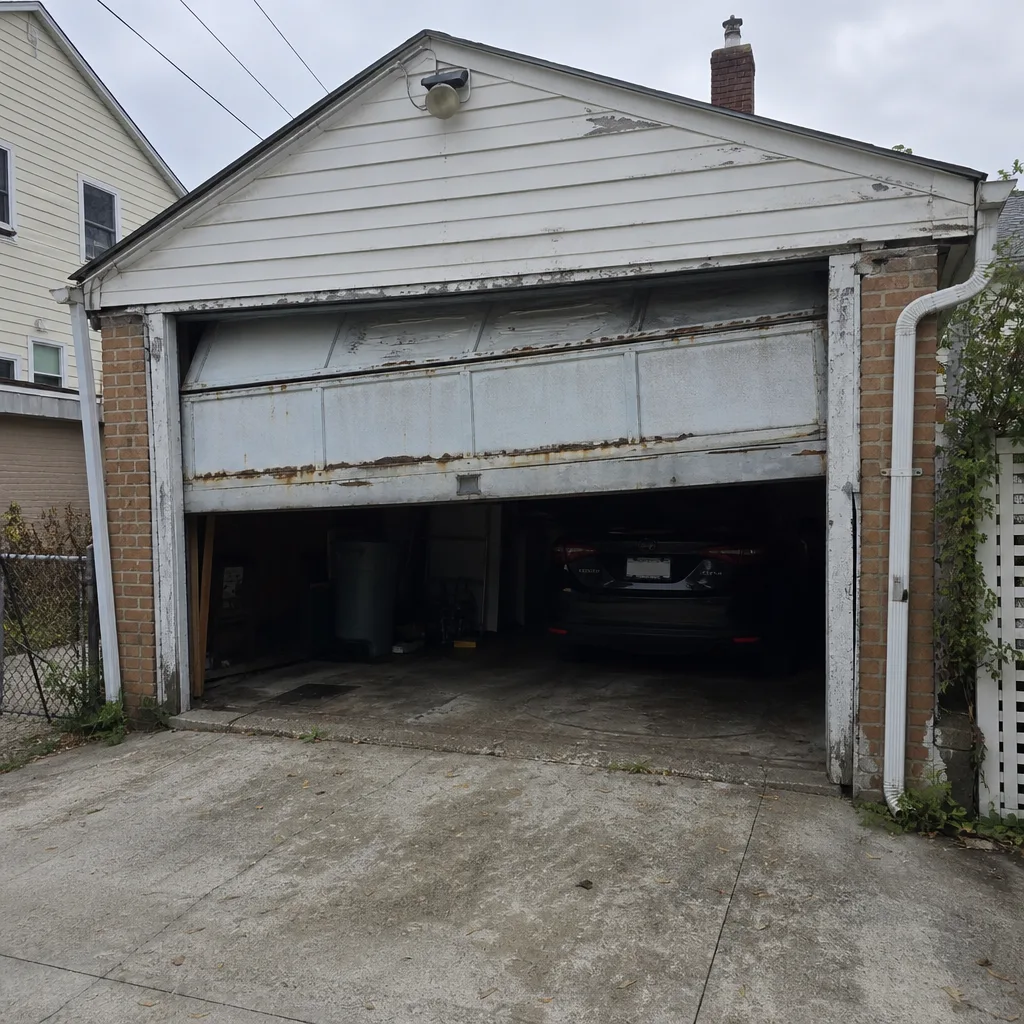 Before
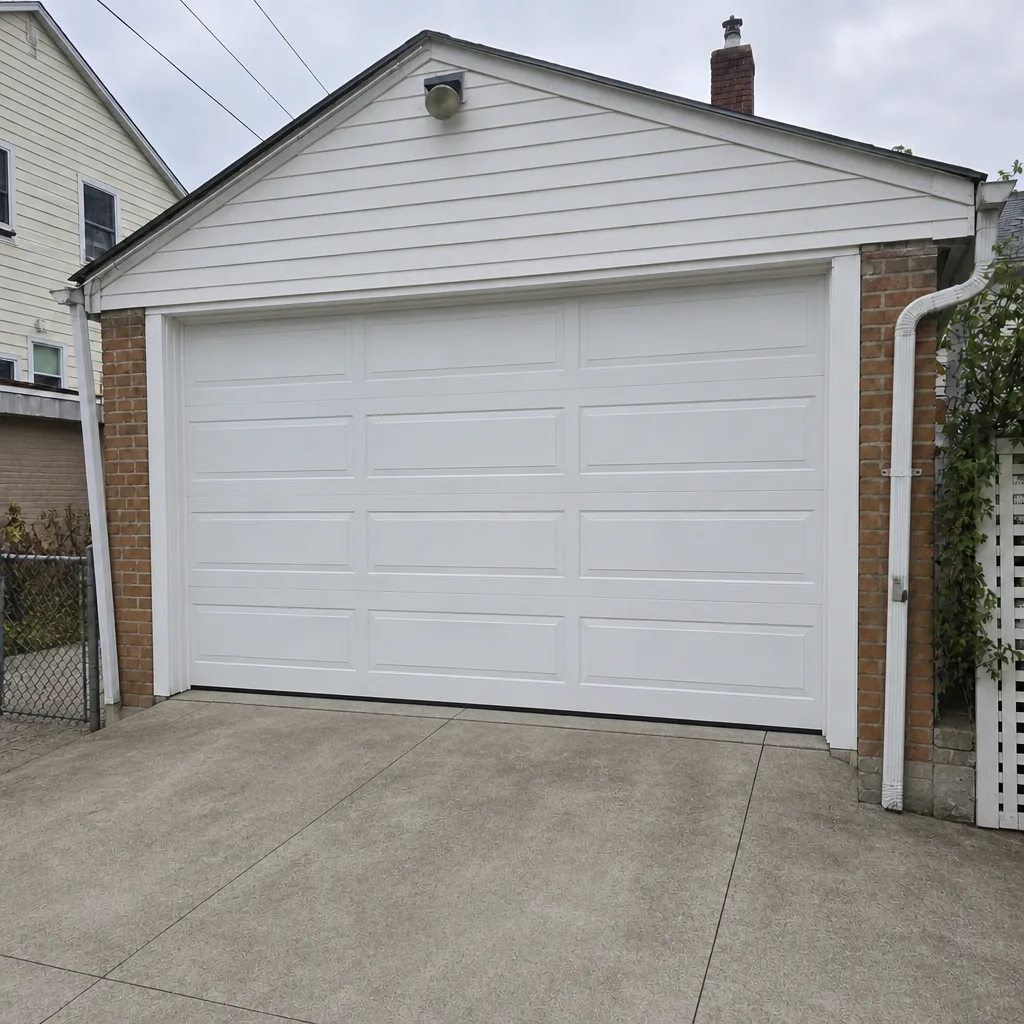 After
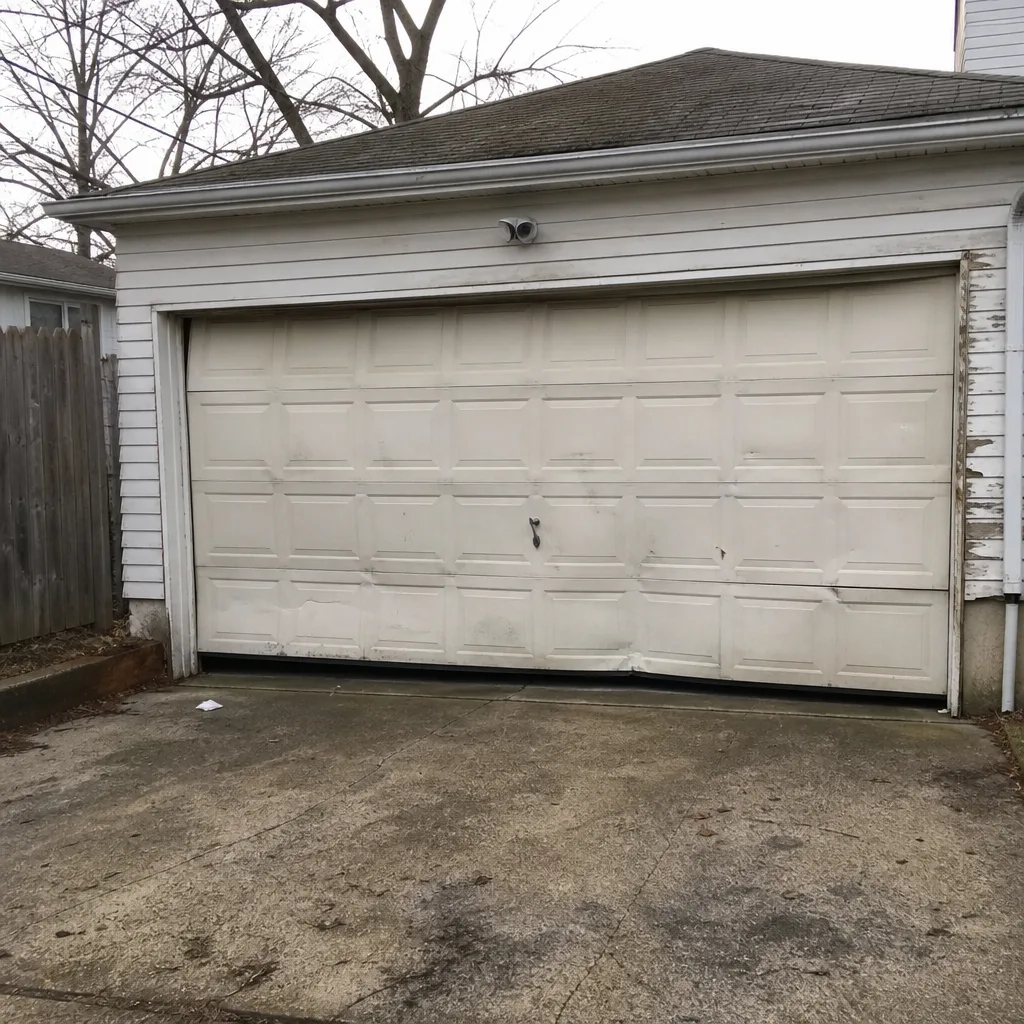 Before
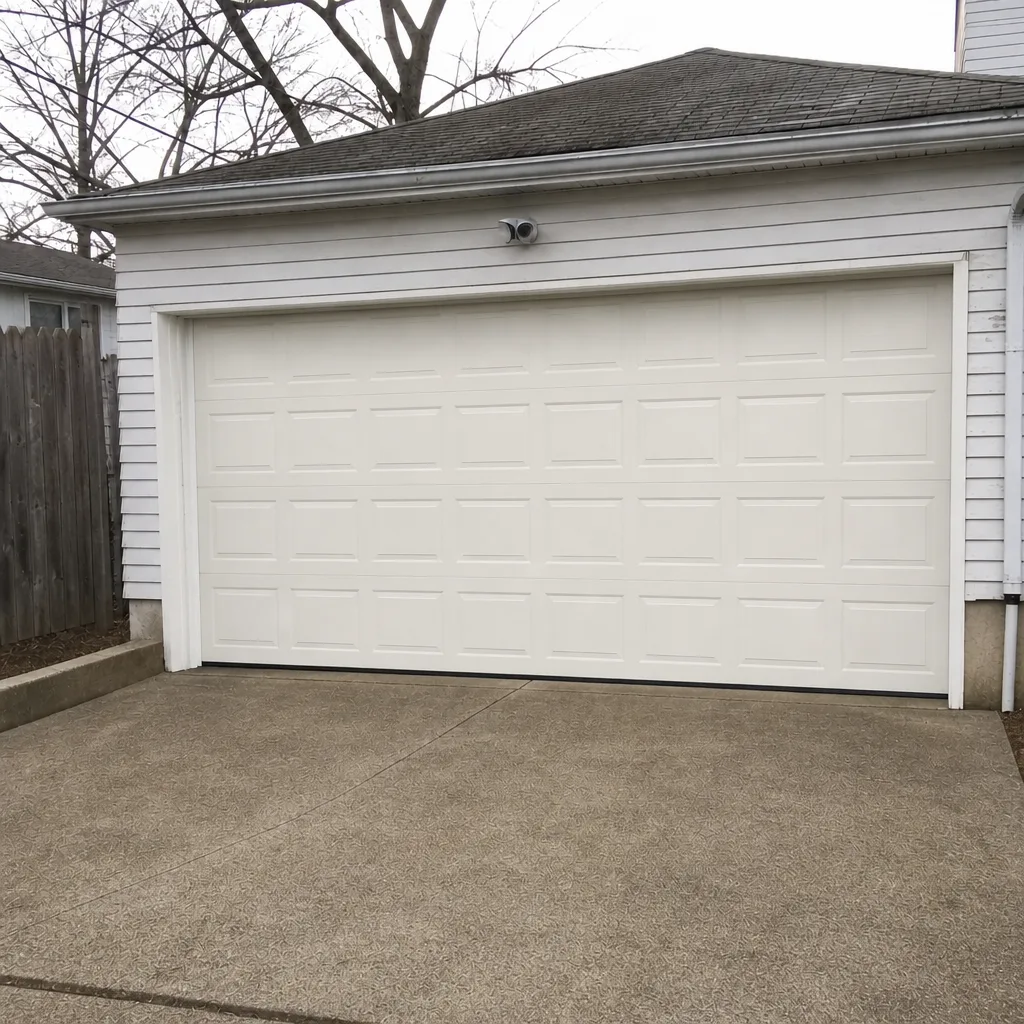 After
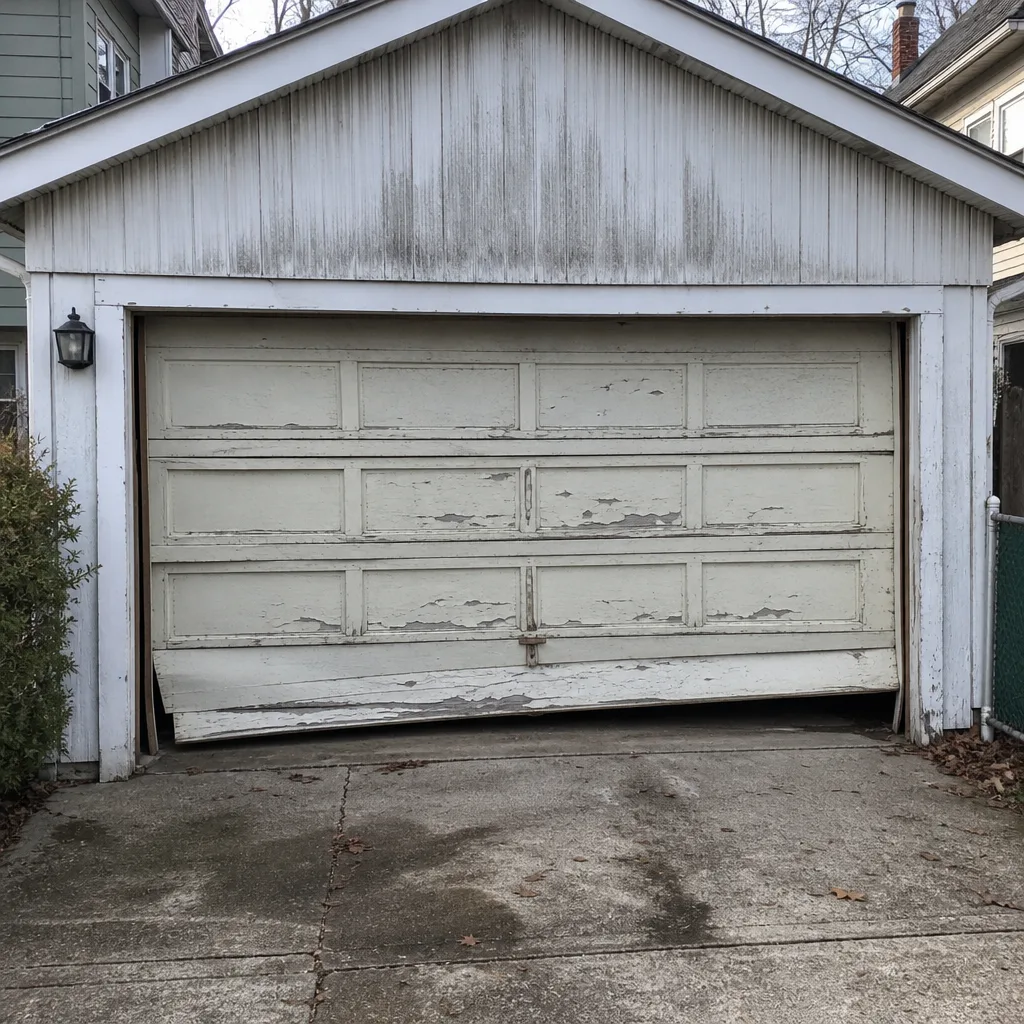 Before
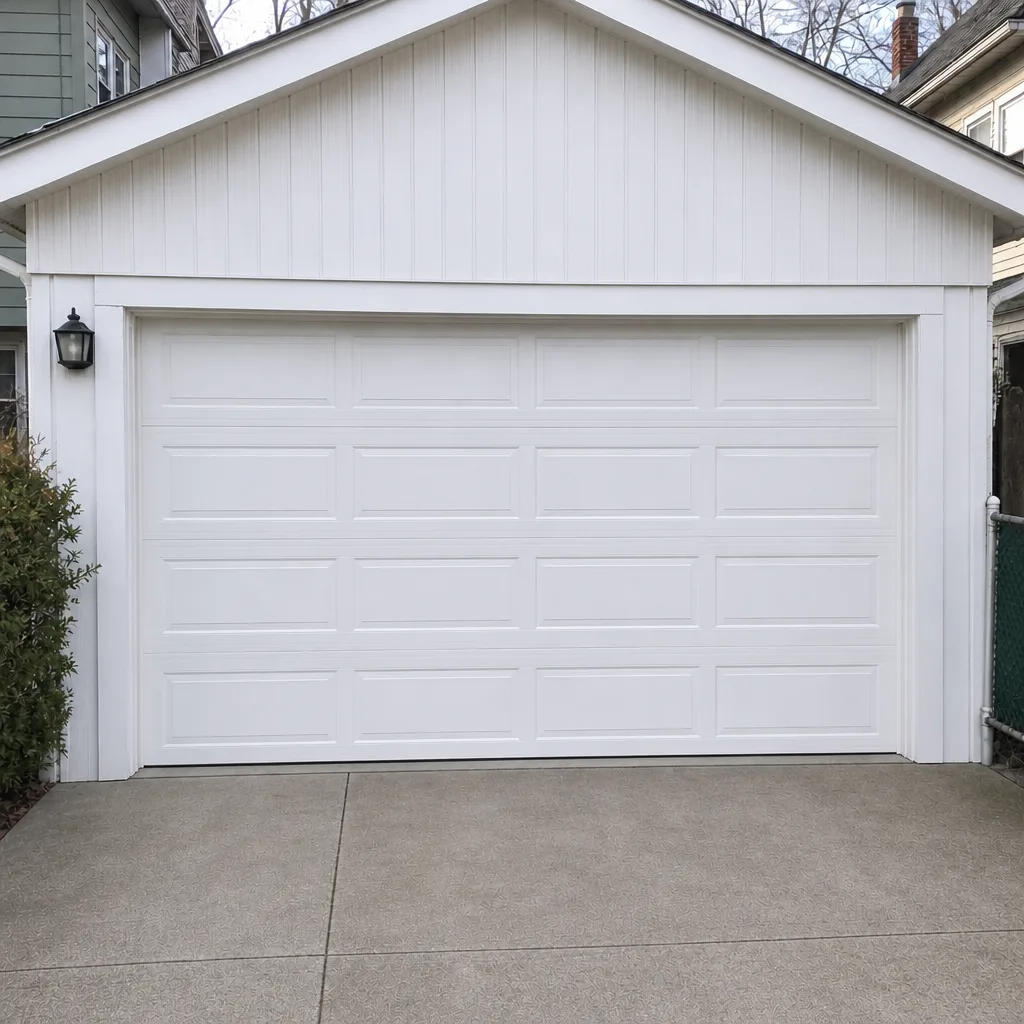 After
When to Call a Professional
Call a professional for any job that touches the springs, cables, bottom bracket, torsion shaft, or the opener’s wiring and load. Call us for a door that won’t open at all, a loud bang from the garage, a door that stops halfway, a visibly broken spring, or an ongoing noise you can’t identify. In a Williamsburg rowhouse or condo building, call us if the repair might fall under a board, co-op, or landlord rule and you need a written diagnosis to submit for approval.
Our technicians have up to 12 years of experience and work on the brands you already own. Williamsburg Garage Door Repair Pros offers free estimates in Williamsburg – call (855) 914-9583. We’ll listen to the symptoms, tell you whether the repair is needed, and quote the price before any work starts.
Frequently Asked Questions
No. Torsion and extension springs hold 150 to 300 pounds of tension and require the right winding tools plus the training to release that force safely. A spring that slips can cause serious injury and can drop the door. Call a technician for replacement – a single spring is replaced as a one-visit job, and a pair is typically replaced together.
You can handle lubrication, safety sensor alignment, remote and keypad programming, visual inspections, and minor weatherstripping. These are the low-tension, low-risk tasks. Anything under the counterbalance system – springs, cables, bottom brackets, torsion shaft – should go to a technician.
Usually not without approval. Condo bylaws and co-op rules often assign the exterior door and the opener to the building, and alterations generally need board sign-off. Check your bylaws or ask the landlord first. If the repair needs a written diagnosis for approval, a technician can provide one.
The written estimate is the price. We inspect the door, identify what’s wrong, and quote the repair in writing before any work starts. If you approve the quote, you pay what the quote says. No work happens without your go-ahead.
Yes. The local professional is licensed and insured as their state requires, so the repair is covered professionally. For high-tension jobs like spring and cable work, that protection is as important as the repair itself.
If your door or opener came from Clopay, Amarr, Wayne Dalton, Craftsman, LiftMaster, Chamberlain, Genie, or Raynor, we’re factory-familiar with the brand and can source the correct parts the first time. If the door needs full replacement rather than repair, we handle installation too – so you don’t need to call a second company when the repair is no longer viable.
The Bottom Line
DIY or professional isn’t really a question about confidence. It’s about which tasks are cheap to fail and which ones are expensive to fail. Lubrication, sensors, remotes, and minor weatherstripping are yours for the taking. Springs, cables, brackets, and opener wiring deserve a trained technician. In Williamsburg, add the property-rules question before any repair: condo, co-op, and rental agreements can change who’s allowed to do the work, not just who’s paying.
If you’d rather have a professional opinion before doing anything, call us. We’ll tell you what needs done and what it costs, in writing. Repair first, replace only when necessary – that’s the standard we hold.
Williamsburg Garage Door Repair Pros – call (855) 914-9583 for a free estimate.
Written by the team at Williamsburg Garage Door Repair Pros.